Best American-Made Cookware & Kitchen Products
Cast iron, clad stainless, bakeware, glass, knives and cutting boards made in the USA, with the imported lines named.
Quick Answer
Lodge casts its seasoned cast iron at two foundries in South Pittsburg, Tennessee. All-Clad bonds its D3, D5 and Copper Core stainless in Canonsburg, Pennsylvania. Nordic Ware makes most of its Bundt pans and bakeware in Minneapolis, Minnesota. Lodge enamel and All-Clad HA1 nonstick are made in China.
Last updated: October 2026
Made in USA Home & Kitchen: by the numbers
- 714 verified American-made home & kitchen products from 121 U.S. brands in the catalog, each checked against its factory location and its own statements.
- Top manufacturing states for these brands: California (11 brands), Ohio (10 brands), Wisconsin (9 brands).
- U.S. manufacturing employed 12.6 million Americans as of May 2026 (U.S. Bureau of Labor Statistics), and 70% of consumers say buying American-made is at least somewhat important to them (DuraPlas survey, Feb 2025).
Catalog figures recompute at every site build. More data and sources on our American manufacturing statistics page.
Quick Comparison
| Product | Brand | Link |
|---|---|---|
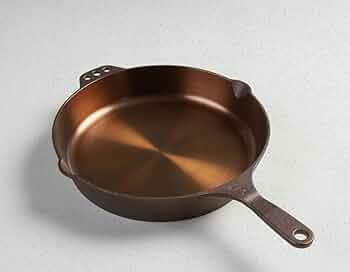
| Smithey 12-Inch Cast Iron Skillet Polished Made in USA | Smithey Ironware Company | Shop Now |
| Smithey 12-Inch Cast Iron Skillet | Smithey Ironware Company | Shop Now |
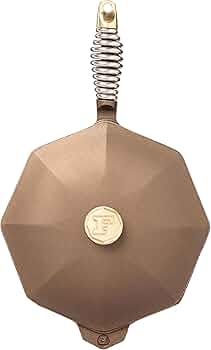
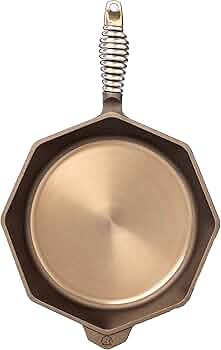
| FINEX 10-Inch Cast Iron Skillet with Lid | FINEX | Shop Now |
| FINEX 12-Inch Cast Iron Skillet | FINEX | Shop Now |
| Lancaster Cast Iron No. 8 Skillet | Lancaster Cast Iron | Shop Now |
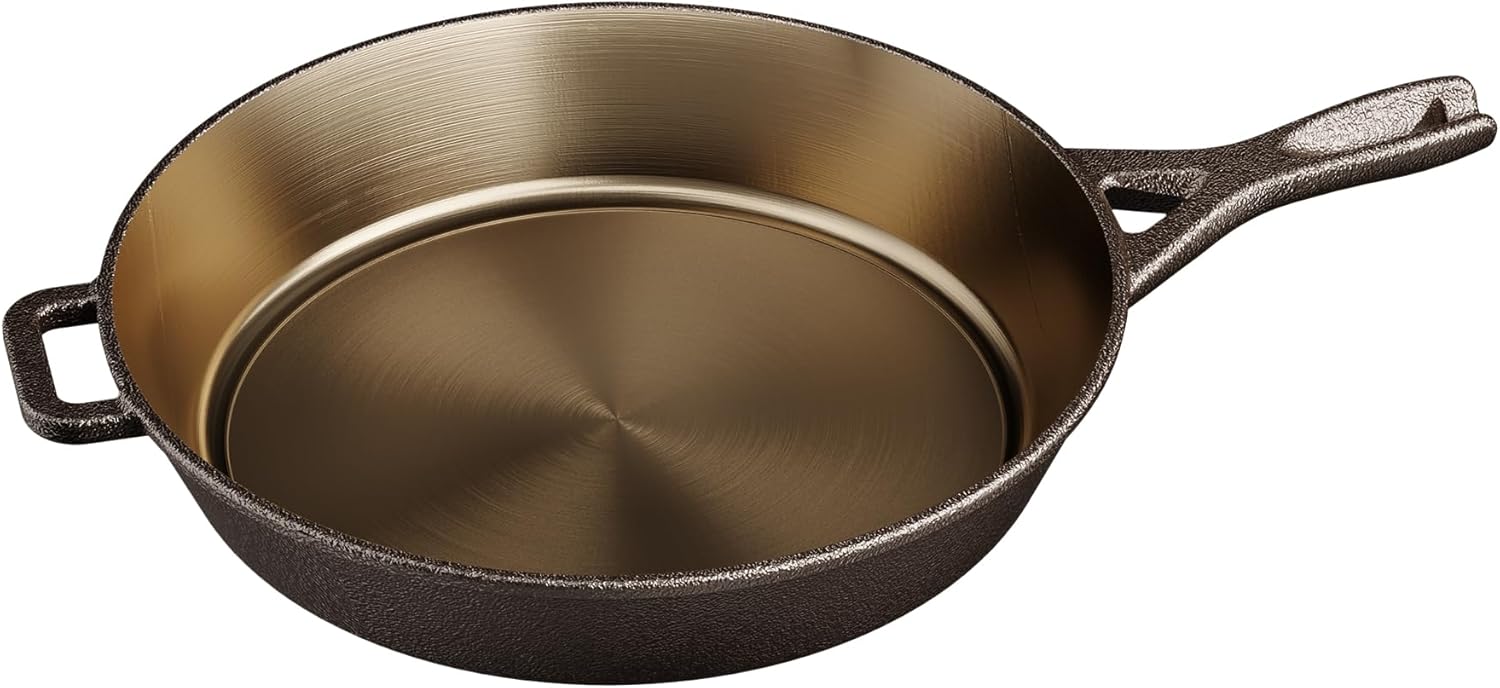
| Stargazer Cast Iron 13.5-Inch Braiser Seasoned | Stargazer Cast Iron | Shop Now |
| Lancaster Cast Iron 5 Qt Dutch Oven Made in USA | Lancaster Cast Iron | Shop Now |
| Lodge 10.25 Inch Cast Iron Skillet | Lodge Cast Iron | Shop Now |
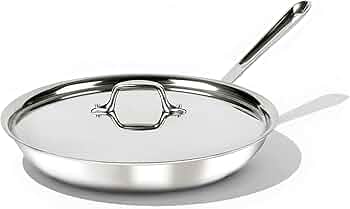
| All-Clad D3 12-Inch Stainless Steel Frying Pan with Lid | All-Clad | Shop Now |
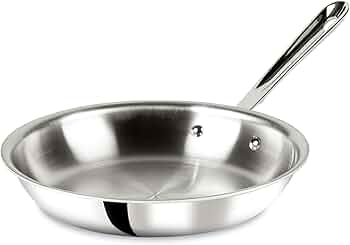
| All-Clad D3 10-Inch Stainless Steel Frying Pan | All-Clad | Shop Now |
Cast iron poured in Tennessee and finished in Pennsylvania and South Carolina
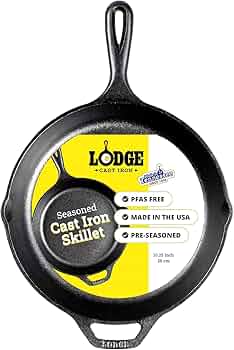
Lodge has been in South Pittsburg, Tennessee since 1896 and runs two foundries there. Its seasoned cast iron is US-made: skillets, Dutch ovens, the Combo Cooker, griddles, grill pans and the triple-seasoned Blacklock line. Its seasoned carbon steel skillets are also marked Made in the USA. Lodge's standard enameled Dutch ovens, its stoneware casseroles and some accessories are made in China. The exception on the enamel side is the USA Enamel Dutch oven, made in the USA with imported hardware. If you want a US-made Lodge, buy bare seasoned iron or carbon steel, or read the origin line on anything enameled.
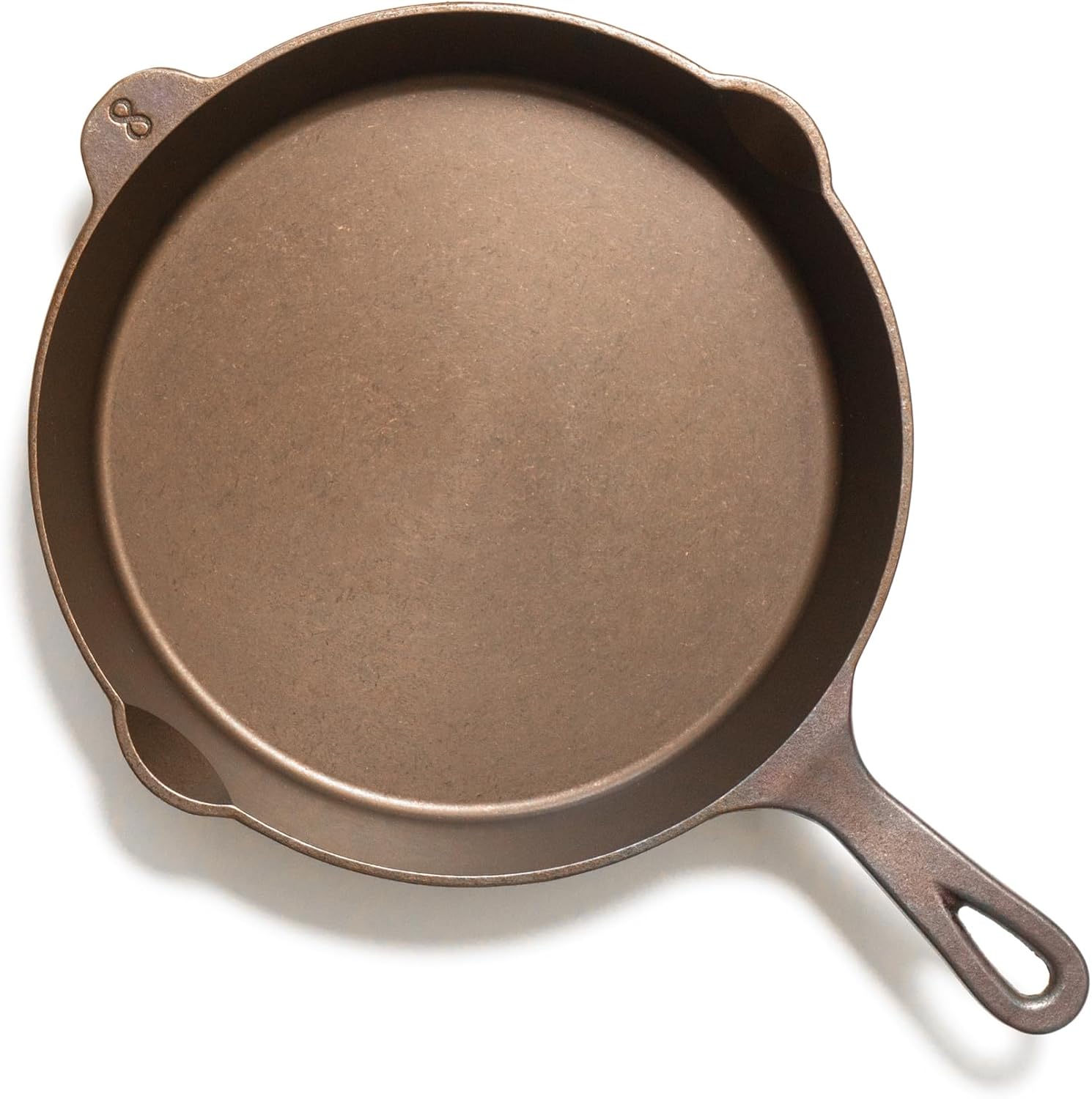
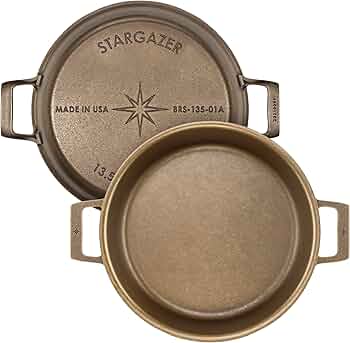
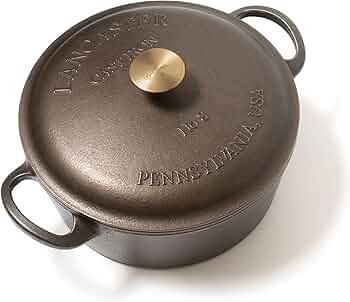
Iron cast in a sand mold and left as cast has a slightly pebbly cooking surface. A group of smaller makers machine or polish that surface smooth, which releases eggs sooner and is easier to clean. Smithey Ironware finishes polished cast iron skillets, and hand-forges carbon steel Farmhouse skillets, on a former Naval Base in Charleston, South Carolina. Lancaster Cast Iron makes light skillets, Dutch ovens and griddles that are cast, machined, seasoned and packaged in and around Lancaster, Pennsylvania. Stargazer Cast Iron casts its skillets and braiser at a US foundry from mostly recycled iron, then machines and finishes them by hand at its headquarters in the Lehigh Valley of Pennsylvania. FINEX, the Portland, Oregon maker of octagonal skillets with coiled stainless handles, says all of its cast iron is made in the USA; Lodge has owned it since 2019. Neither Stargazer nor FINEX names the city of its foundry.
American Skillet Company sells cast iron skillets shaped like US states. It says they are made in the USA, and retailer profiles say they are cast in Kaukauna, Wisconsin.
To choose: a Lodge skillet is the heavy, plain workhorse. A machined skillet is smoother from day one and usually lighter, and Lancaster builds its line around low weight. Carbon steel heats faster than cast iron and is thinner and lighter again, which suits searing and eggs.
Clad stainless from Canonsburg, Clarksville and West Bend, and where the steel comes from
Clad cookware sandwiches an aluminum or copper core between layers of stainless steel. The stainless gives a cooking surface that won't react with acidic food, and the core spreads heat. In fully clad pans the layers run up the walls as well as across the base, so the sides heat too.
All-Clad bonds and assembles its D3, D3 Everyday, D5 and Copper Core stainless at its factory in Canonsburg, Pennsylvania, where it has worked since 1971. Its pages call this cookware "Made in the USA with global components," meaning some parts are sourced abroad; All-Clad does not say which. Its HA1 hard-anodized nonstick is made in China, and All-Clad's own FAQ tells buyers to check each product page because origin varies by collection.
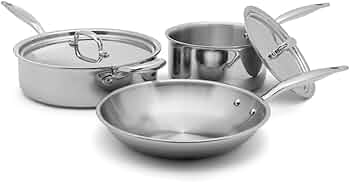
Heritage Steel forms, polishes and finishes its clad cookware and lids in its own factory in Clarksville, Tennessee. It labels the pans "Made in USA with Global Materials" and says plainly that its clad steel comes from South Korea. The Hammer Stahl Damascus knives it also sells are assembled in China.
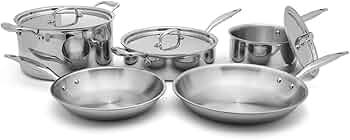
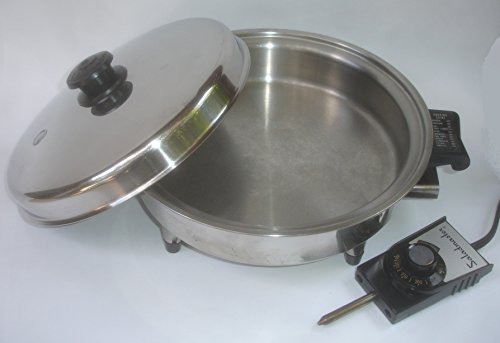
West Bend, Wisconsin is home to several more. 360 Cookware has handcrafted its cookware and bakeware in its West Bend factory since 2005, from materials sourced worldwide. Americraft makes stainless waterless cookware there too, and American Kitchen tri-ply, a Regal Ware brand, is handcrafted in a Wisconsin factory from global materials.
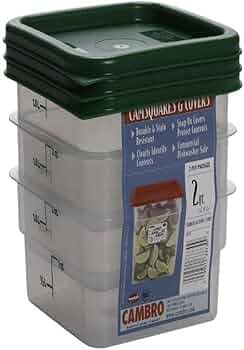
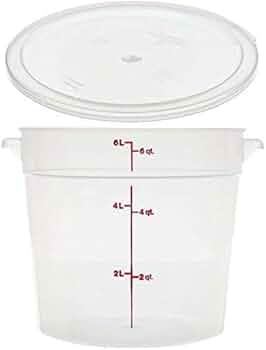
For restaurant-style gear, Vollrath marks its Super Pan V steam table pans Made in USA but also runs plants in Spain and China, and Cambro says 99 percent of what it sells in North America is made in California and North Carolina.
One name to read closely: Made In, an Austin, Texas company, makes most of its range in Europe. Only some of its CeramiClad pans have been made in the US.
Bakeware: Bundt pans in Minneapolis, sheet pans in Crescent, pizza pans in Spokane Valley
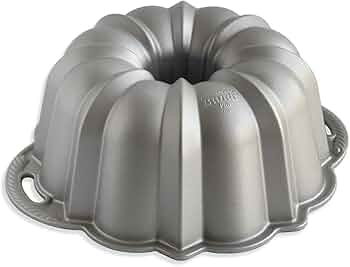
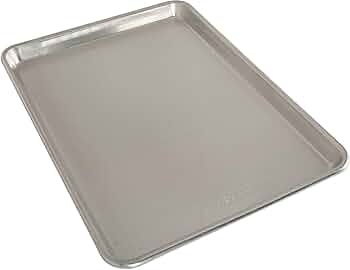
Nordic Ware has made kitchenware at its own Minneapolis, Minnesota factory since Dave and Dotty Dalquist founded it there in 1946. It says it makes the majority of its products there, more than 400 in all, including its Bundt pans and aluminum sheet pans. Two caveats. "Majority" means some Nordic Ware items are made elsewhere, so check the label. And the aluminum itself comes from Canada as coils and is processed at a plant in Wisconsin. A 2025 class action argues that makes the Made in the USA label misleading; Nordic Ware says the transformation of the metal and all its manufacturing happen in the US.
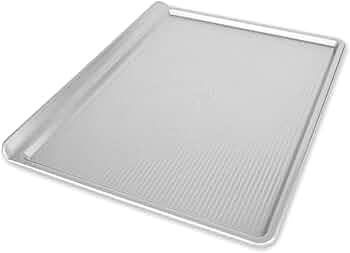
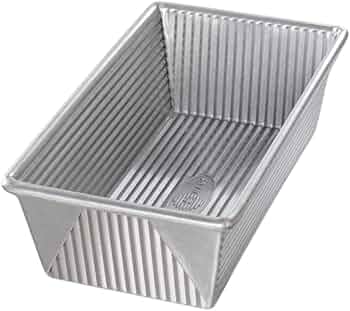
USA Pan makes aluminized steel sheet pans, cookie sheets, loaf, cake and Pullman pans in the US from globally sourced materials. It is the consumer brand of a family bakeware business founded in 1959 and based in Crescent, Pennsylvania. Its cooling racks are made in China, and in its pan-and-mat sets the silicone baking mat is made in China while the pan is US-made.
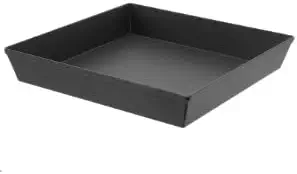
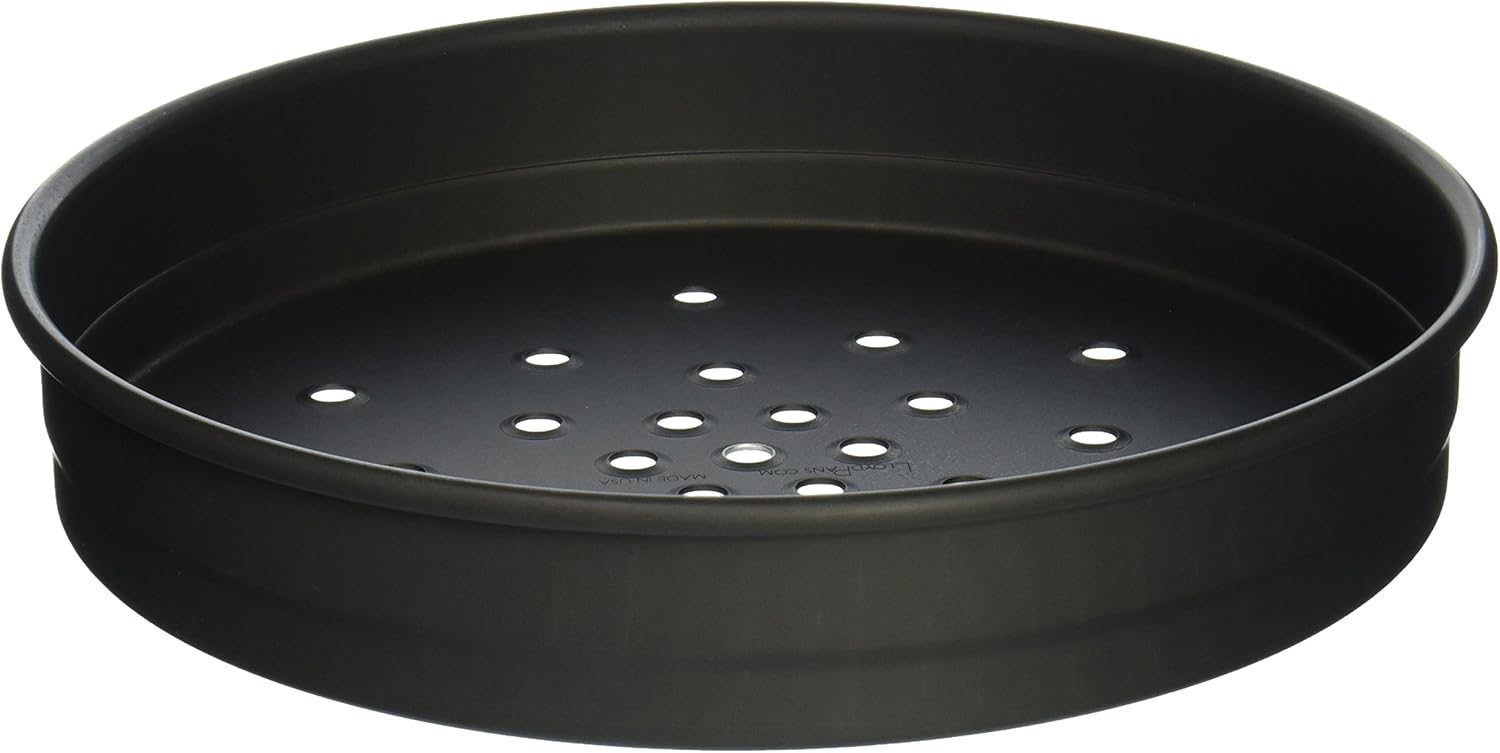
LloydPans makes pizza pans, sheet pans and cake pans in a 104,000 square foot plant in Spokane Valley, Washington, and says it makes all of its pans in the USA. That includes Detroit-style, Sicilian and deep-dish pizza pans. Baking Steel cuts and finishes its solid steel pizza and baking surfaces at Stoughton Steel in Hanover, Massachusetts, the shop where Andris Lagsdin invented the product in 2012.
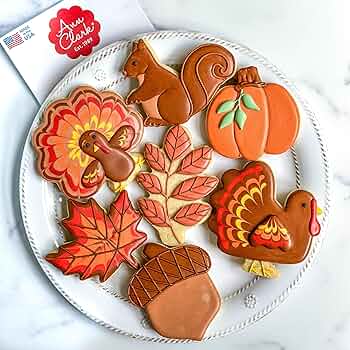
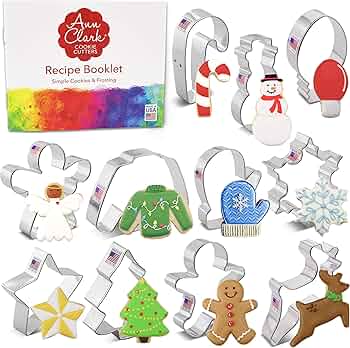
Ann Clark makes steel cookie cutters and cutter sets at its plant in Rutland, Vermont. Ateco makes decorating tools in Glen Cove, New York but sources other items from seven countries.
On materials: bare aluminum heats and cools fast and browns evenly, but it reacts with acidic batters and darkens in the dishwasher, so wash it by hand. Aluminized steel is heavier, resists warping, and holds heat longer. A solid steel baking surface stores far more heat than a pan, which is why it crisps a pizza crust in a home oven.
Glass from Lancaster, Ohio, dinnerware from Newell, West Virginia, flatware from Sherrill, New York
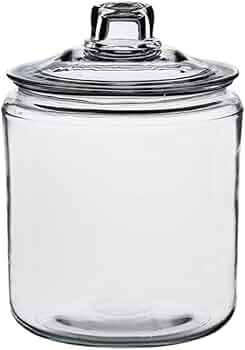
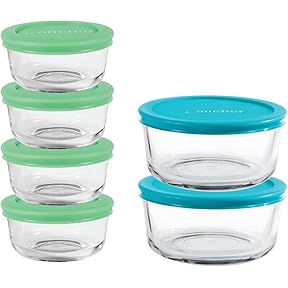
Anchor Hocking has made glass at its original plant in Lancaster, Ohio since 1905. Its jars, mixing bowls, pie plates, baking dishes and TrueLock storage containers are made there. The US claim covers the glass; most product pages give no separate origin for plastic lids.
Pyrex marks its clear glass baking and loaf dishes, its Sculpted Tinted bakeware and bowls, and its Simply Store glass containers Made in the USA. Its MealBox divided containers and 8 x 12 divided baking dish are made in China, and it states no origin for its deep baking dishes, metal and ceramic bakeware, or most measuring cups. Buy the pieces marked Made in USA. With any glass bakeware, avoid sudden temperature changes: don't move a hot dish to a wet or cold counter, and don't put a frozen dish into a hot oven.
Ball's glass mason jars and its canning lids and bands are made in the USA. Its plastic leakproof storage lids are made in Malaysia, and its stainless steel and wooden lids in China and Vietnam. For reusable canning lids, Tattler molds its E-Z Seal lids and rubber rings in the USA.
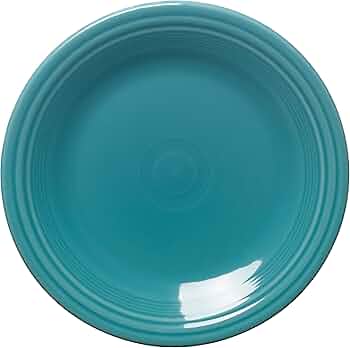
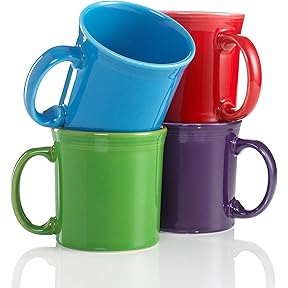
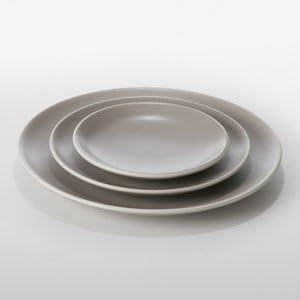
Fiesta dinnerware is made by The Fiesta Tableware Company, long known as Homer Laughlin China, at its pottery in Newell, West Virginia, on the Ohio River. Plates, bowls, mugs and serveware are labeled made in the USA. Libbey makes drinking glasses, beer glasses and stemware at its plant in Toledo, Ohio, but also makes glassware in Mexico and has a site in China, so origin varies by product.
For handmade stoneware, Emerson Creek Pottery mixes its own clays and glazes and makes each piece start to finish in Bedford, Virginia. Heath Ceramics makes its Coupe and Plaza dinnerware at its factory in Sausalito, California. Ohio Stoneware makes preserving crocks and Dominion mixing bowls in Zanesville, Ohio.
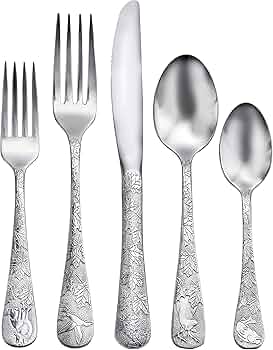
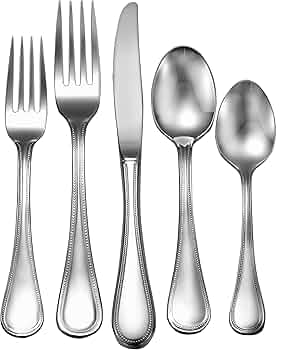
Liberty Tabletop makes stainless flatware in Sherrill, New York, and calls itself America's only flatware manufacturer. Its sets are labeled 100 percent made in the USA from American 18/10 steel. The 18/10 figure means 18 percent chromium and 10 percent nickel, which resists spotting and rust better than nickel-free 18/0 steel.
Knives from Olean and Southbridge, and boards from Effingham and Dorset
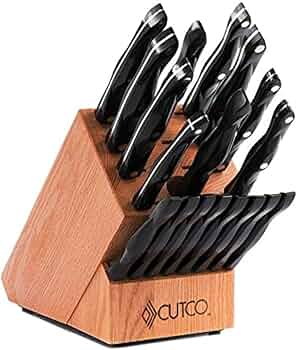
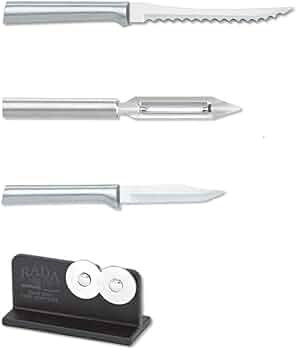
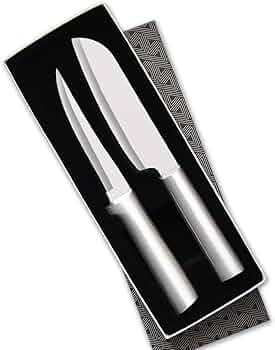
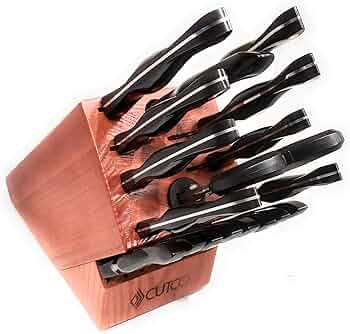
Cutco has made its kitchen knives, table knives and knife blocks at its factory in Olean, New York since 1949, and marks them American Made. Its Super Shears carry a qualifier: American made with German steel. Dexter-Russell, which makes the Sani-Safe professional line, says the majority of its products are made at its factories in Southbridge and Sturbridge, Massachusetts. Lamson, founded in Shelburne Falls, Massachusetts in 1837, now works from a factory in Westfield; its forged chef's and paring knives are polished and sharpened there from German Solingen steel. Rada Cutlery in Waverly, Iowa goes furthest: it says every product and its materials come from US suppliers.
Smaller shops make knives too. Warther Cutlery handmakes knives and cleavers in Dover, Ohio. STEELPORT Knife Co. makes carbon steel knives and bench scrapers in Portland, Oregon from American-forged 52100 steel and Oregon maple. Ontario Knife Company makes its Old Hickory kitchen knives in New York but also sells imported lines.
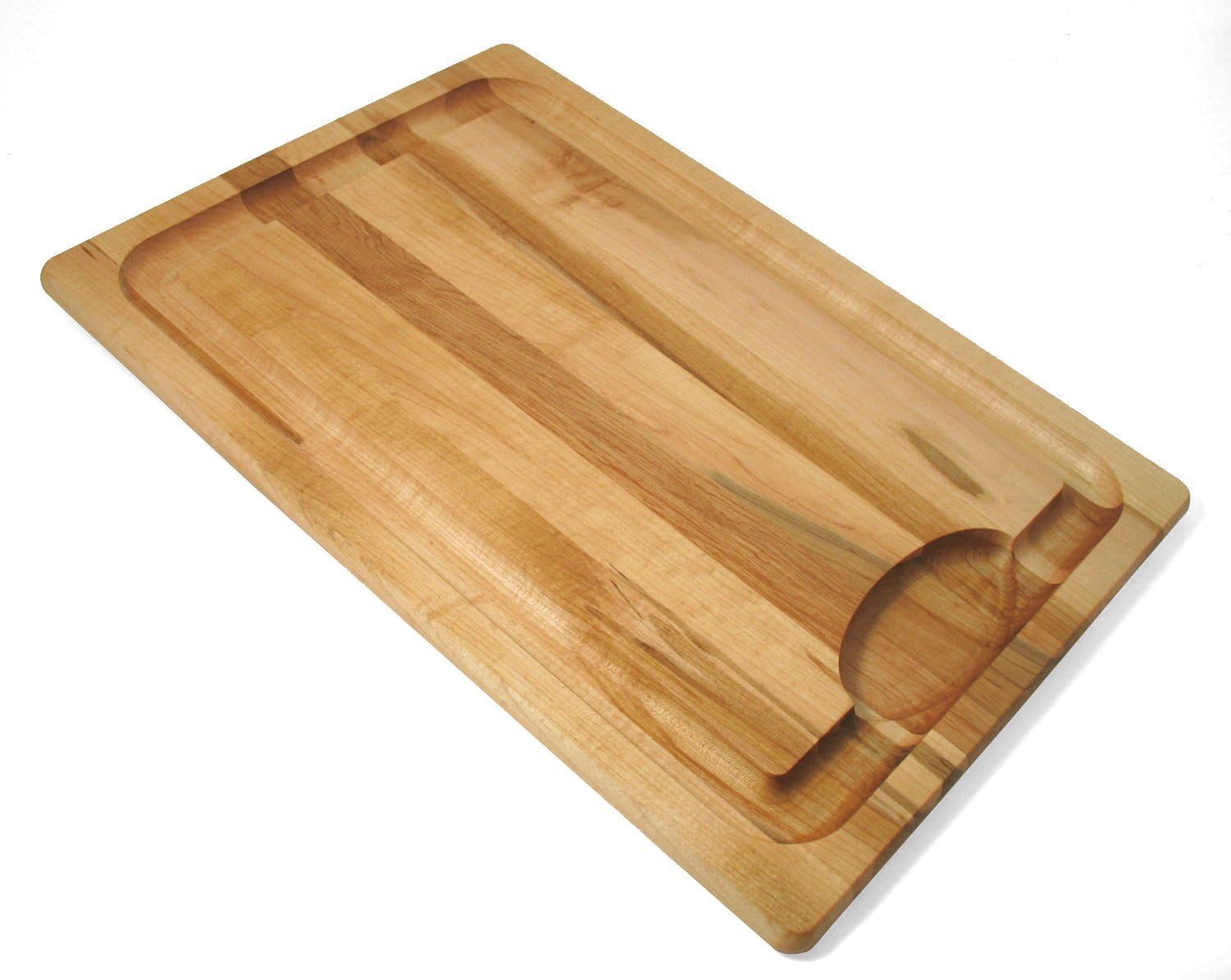
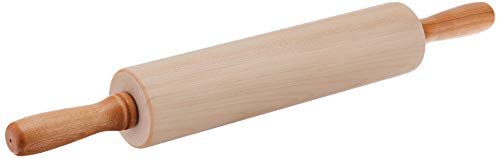
John Boos makes maple, walnut and cherry cutting boards and butcher blocks in Effingham, Illinois, where Conrad Boos started the business in 1887. Its board pages read "Made in the USA with domestic and imported materials." J.K. Adams has made maple and walnut boards, rolling pins and knife trays in Dorset, Vermont since 1944; its pot rack hardware is imported. Epicurean presses paper-composite cutting boards and pizza peels in Superior, Wisconsin, though some silicone parts and nylon utensil heads come from China. Smaller shops make hardwood boards too, among them The Boardsmith in Frisco, Texas and Refine Kitchenware in Minster, Ohio.
End-grain boards show the ends of the wood fibers, which part around a knife edge and close again, so they dull knives more slowly and hide cuts. Edge-grain boards are lighter, cheaper to make and less prone to splitting. Oil any wood board when it looks dry, and never put it in the dishwasher.
Fletchers' Mill turns pepper mills, salt mills and rolling pins from New England hardwoods in New Vineyard, Maine; its Pump and Grind mill is made in Taiwan.
Mixers in Greenville, blenders in Ohio and Utah, and the appliances to check one by one
KitchenAid makes its stand mixers at a Whirlpool plant in Greenville, Ohio. KitchenAid says about 80 percent of the major appliances it sells in the US come from its American factories, and not every KitchenAid product is US-made, so the stand mixer is the safe pick.
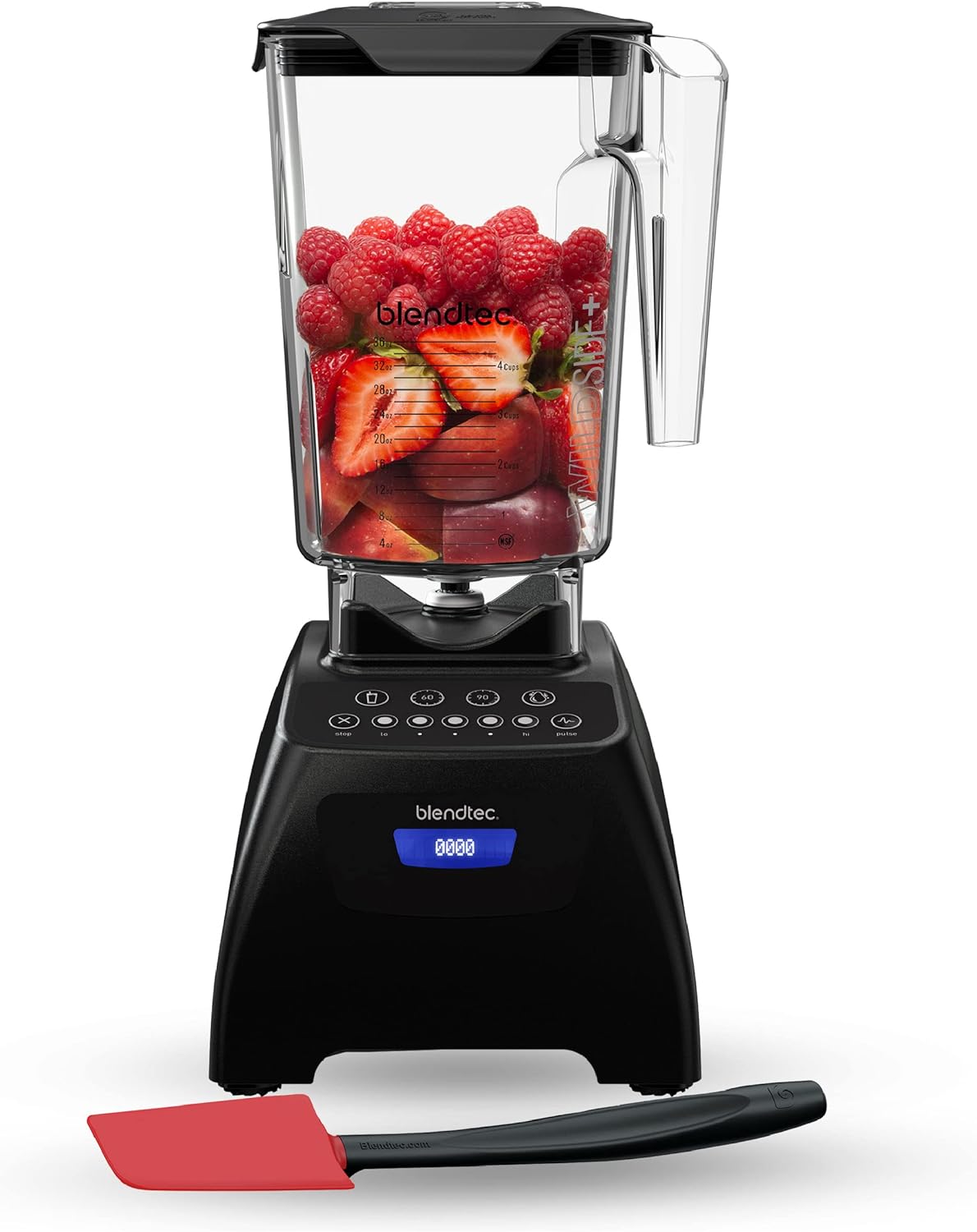
Vitamix assembles, packages and ships its blenders from a plant in Strongsville, Ohio, near its headquarters in Olmsted Township. Blendtec designs and assembles blenders in Orem, Utah, where it has worked since 1975. Waring labels its commercial bar blenders Made in the USA with US and foreign parts; its food processors and immersion blenders carry no US claim. BUNN, based in Springfield, Illinois, says most of its commercial coffee equipment is assembled in the USA, but its home brewers rely on their own labels.
Dehydrators and roasters are mixed. Excalibur makes some dehydrator models in the USA and others in China, and Nesco marks some items made in the USA and at least one roaster made in China.
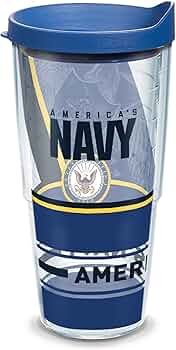
Tervis makes its classic double-wall clear tumblers and mugs in Florida; its stainless steel and melamine drinkware is made in China. Weber builds its Original Kettle charcoal grills at its plant in Huntley, Illinois, from US and globally sourced components.
Cleaners and cleaning tools from Indianapolis, Arcola and Fort Wayne
Bar Keepers Friend is made in Indianapolis, Indiana by the family-owned SerVaas Laboratories, and the brand dates its oxalic acid formula to 1882. It is a common cleanser for stainless clad pans: it lifts the rainbow heat tint and stuck-on browning that soap leaves behind. Don't use it on seasoned cast iron, because it strips the seasoning. Bon Ami's gentler feldspar powder is made in the United States.
Libman makes most of its brooms, mops, brushes and buckets in Arcola, Illinois, from US and globally sourced materials. Summit Brands of Fort Wayne, Indiana makes Iron OUT rust removers, Plink disposal cleaners and Glisten dishwasher cleaners in the USA. WaterHog makes bi-level doormats for the kitchen door in LaGrange, Georgia.
Browse All Home & Kitchen Products
See all 714 verified American-made home & kitchen products in our catalog.
Frequently Asked Questions
Is all Lodge cookware made in the USA?
No. Lodge's seasoned cast iron, including skillets, Dutch ovens, griddles, grill pans and the Blacklock line, is made at its two foundries in South Pittsburg, Tennessee, and its seasoned carbon steel skillets are marked Made in the USA. Its standard enameled Dutch ovens, stoneware casseroles and some accessories are made in China. The one US-made enamel piece is the USA Enamel Dutch oven, which uses imported hardware. Buy bare seasoned iron or carbon steel, or read the origin line on anything enameled.
Is All-Clad made in the USA?
All-Clad's fully bonded stainless lines, D3, D3 Everyday, D5 and Copper Core, are bonded and assembled in Canonsburg, Pennsylvania. All-Clad describes them as made in the USA with global components, so some parts are imported. Its HA1 hard-anodized nonstick is made in China. All-Clad's own FAQ advises checking each product page, because origin varies by collection.
What is the difference between Heritage Steel and All-Clad?
Both make clad stainless cookware in US factories with imported inputs. All-Clad bonds its pans in Canonsburg, Pennsylvania with some global components. Heritage Steel forms and finishes its pans in Clarksville, Tennessee from clad steel it buys from South Korea, and says so on its labels. If US-sourced steel matters most to you, neither brand guarantees it. If you want a US factory for the finished pan, both qualify.
Is Pyrex still made in the USA?
Much of it is. Pyrex marks its clear glass baking and loaf dishes, Sculpted Tinted bakeware and bowls, and Simply Store glass containers Made in the USA. Its MealBox divided containers and its 8 x 12 divided baking dish are made in China, and it gives no origin for its deep baking dishes, ceramic and metal bakeware, or most measuring cups. Look for the Made in USA mark on the exact piece.
Which American knife brands use US steel?
Rada Cutlery in Waverly, Iowa says every product and its materials come from US suppliers. STEELPORT in Portland, Oregon uses American-forged 52100 high-carbon steel. Cutco makes its knives in Olean, New York, though its Super Shears use German steel. Lamson finishes its forged chef's and paring knives in Westfield, Massachusetts from steel made in Solingen, Germany. Dexter-Russell says the majority of its products are made in Southbridge and Sturbridge, Massachusetts.
Are John Boos cutting boards made in the USA?
Yes. John Boos makes its maple, walnut and cherry cutting boards and butcher blocks in Effingham, Illinois, where Conrad Boos founded the company in 1887. Its board pages label them made in the USA with domestic and imported materials, and Boos does not say which inputs are imported. For an all-domestic wood board, J.K. Adams in Dorset, Vermont says it sources hardwood from North American forests and makes all its products in Dorset, though the hooks and hardware on its pot racks are imported.