Best American-Made Flashlights & Electronics
Flashlights, headlamps, hard cases, headphones, amplifiers, cables and power gear from makers who say where their factories are, and what they import.
Quick Answer
Maglite assembles its flashlights in Ontario, California, with some imported parts. Princeton Tec builds its headlamps in Pennsauken, New Jersey. Pelican makes its Protector hard cases in the US and keeps a factory in Torrance, California. McIntosh builds its amplifiers in Binghamton, New York.
Last updated: October 2026
Made in USA Electronics: by the numbers
- 259 verified American-made electronics products from 60 U.S. brands in the catalog, each checked against its factory location and its own statements.
- Top manufacturing states for these brands: California (8 brands), New York (7 brands), Florida (5 brands).
- U.S. manufacturing employed 12.6 million Americans as of May 2026 (U.S. Bureau of Labor Statistics), and 70% of consumers say buying American-made is at least somewhat important to them (DuraPlas survey, Feb 2025).
Catalog figures recompute at every site build. More data and sources on our American manufacturing statistics page.
Quick Comparison
Flashlights and weapon lights machined in California and Texas
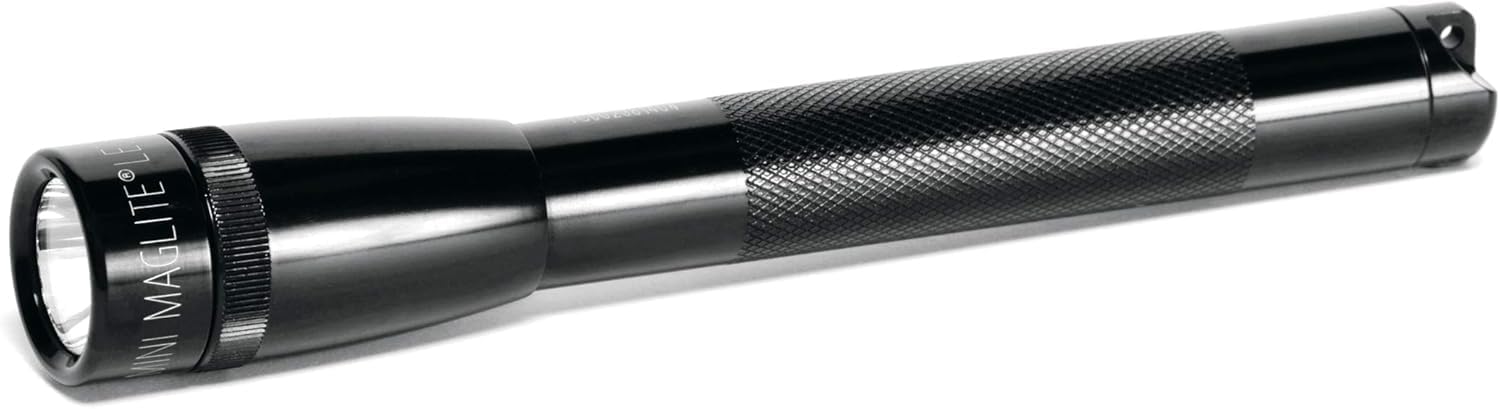
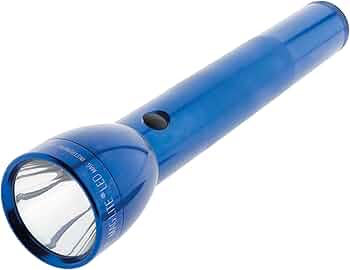
Mag Instrument has been in Ontario, California since 1982 and assembles its lights at its only factory there, where it says all of the body parts and most other parts are made. That covers the D-cell and C-cell lights such as the ML300L, the Mini Maglite and the Solitaire. Maglite says plainly that some components are imported and notes foreign content on the package. The ML300L page reads "Designed and manufactured in the USA with some imported components."
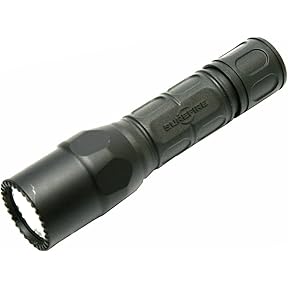
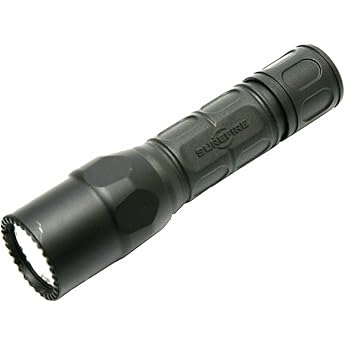
SureFire designs, machines, tests and assembles its flashlights and WeaponLights in Southern California, with machining at its Santa Ana turning center and assembly at its Fountain Valley headquarters. It does not label those lights Made in USA, because it imports a few components, most notably the LEDs. On a G2X or Stiletto, look for SureFire's "designed, machined, tested, and assembled in the U.S." wording. SureFire says its 123A lithium batteries are still marked Made in the U.S.A.
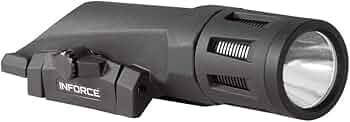
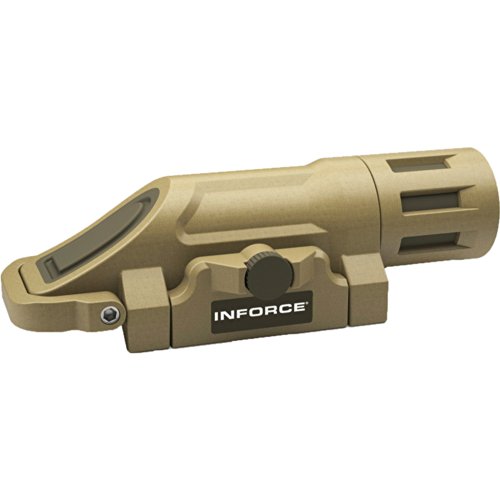
INFORCE engineers, tests and assembles its WML, WMLx and APL weapon lights at its headquarters in Mansfield, Texas. It does not say where its LEDs or batteries come from.
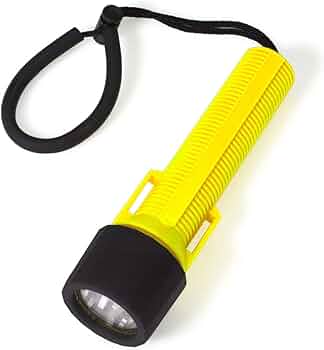
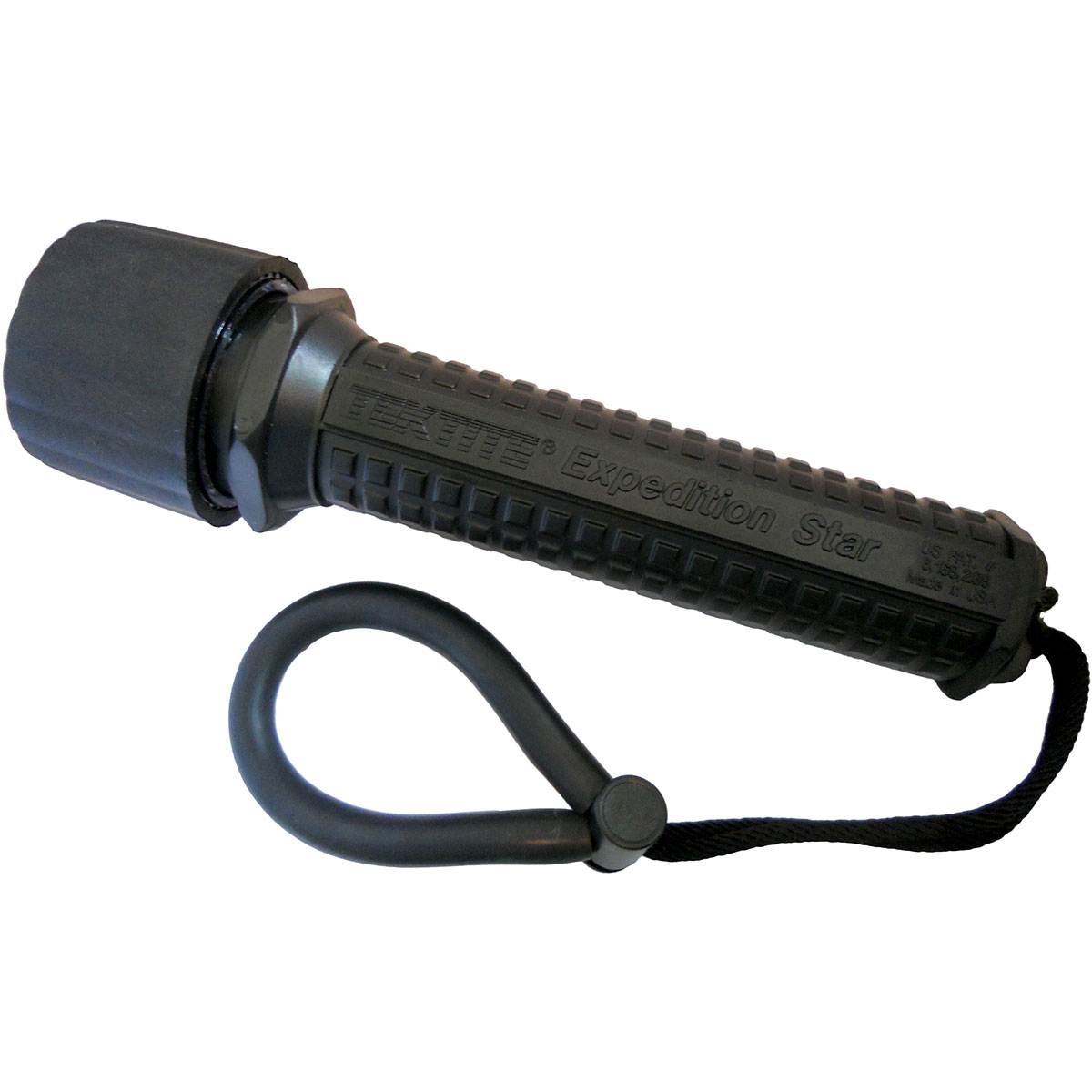
Tektite Industries makes LED dive lights, the Trek flashlights and Mark-Lite strobes in Trenton, New Jersey. It molds its own plastic parts, assembles the electronics and machines and stamps its metal parts in its factory or nearby. The stated exception is replacement bulbs, which come from overseas.
Streamlight is a harder case. The Eagleville, Pennsylvania company assembles its TLR weapon lights and some professional flashlights there from US and foreign parts, but much of its consumer range is made in China. Read the package on any Streamlight before assuming US origin.
For emergency signaling rather than light, ACR Electronics makes rescue beacons at its Fort Lauderdale, Florida base, and its launch release for the ResQLink 400 and ResQLink View personal locator beacons says they are made in the USA.
When choosing, think about the battery first. AA and D cells are easy to find anywhere. CR123A lithium cells hold their charge for years in a glovebox and work better in the cold. Rechargeables are cheapest if you use the light daily.
Headlamps from Pennsauken, hard cases from Torrance, phone gear from Florida
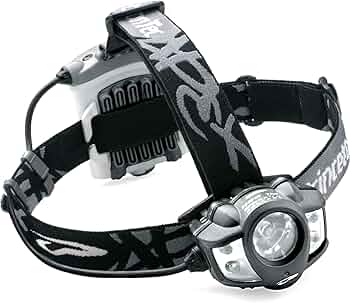
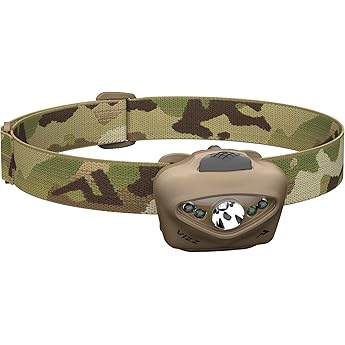
Princeton Tec makes its headlamps and flashlights in Pennsauken, New Jersey, and molds the plastic parts at its own shop in nearby Berlin. Bill Stephens founded it in 1975 and the Stephens family still runs it. The product pages for the Apex, Sync, Remix and Vizz carry a Made in USA line, and we found no Princeton Tec light described as imported. A red mode keeps your night vision at camp, and a tilting head lets you light your hands without bending your neck.
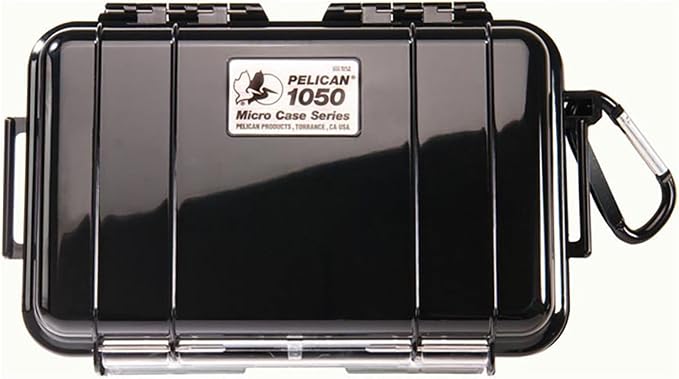
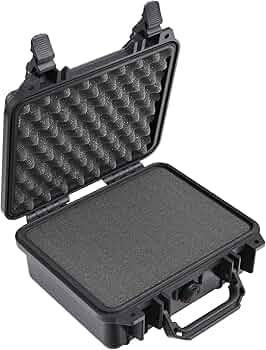
Pelican's Protector cases, from the 1120 up through the 1700 long case, and the 1050 Micro Case carry a MADE IN USA mark on Pelican's own pages. The company, founded in 1976, still has 200,000 square feet of manufacturing and office space in Torrance, California. Pelican now runs six plants and does not say where each is, and its 2780 headlamp page shows no USA mark, so check for the mark on lights, coolers and luggage. Pick a case slightly deeper than the item and fit foam or dividers so nothing shifts.
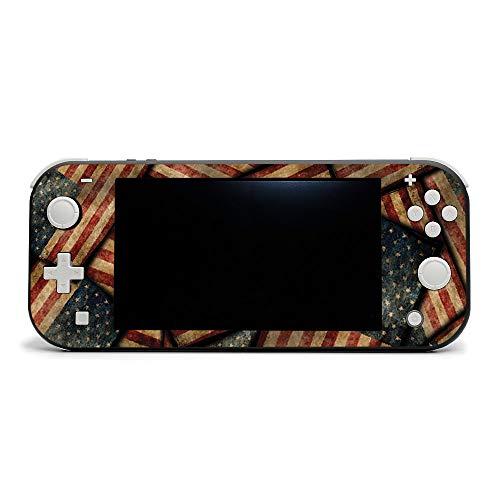
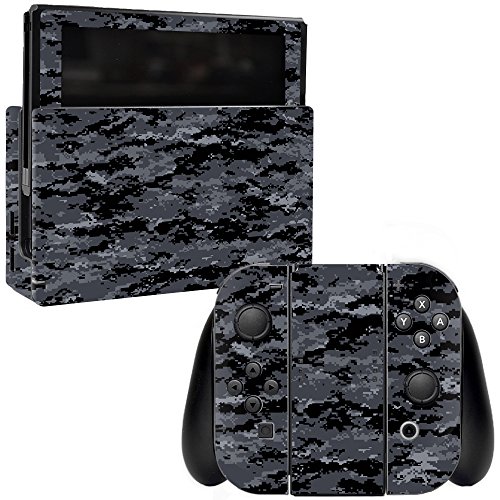
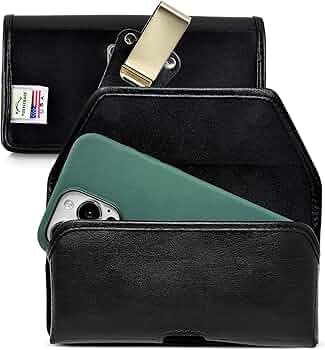
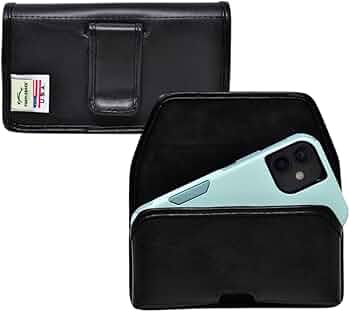
Turtleback in Sylmar, California assembles leather phone and radio holsters in the US from imported leather; its listings say "Designed and Assembled in the USA." MightySkins designs, prints and cuts vinyl skins for phones, consoles and laptops at its own facility in West Palm Beach, Florida, and its skins are also sold under the Vision Signs and Graphics name. MightySkins does not say where its raw vinyl film is made. LockSocket 3D prints and injection molds its charger locks and outlet locks in Tampa and Zephyrhills, Florida.
Headphones, amplifiers and speakers from Brooklyn to Binghamton
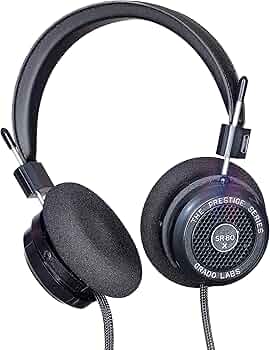
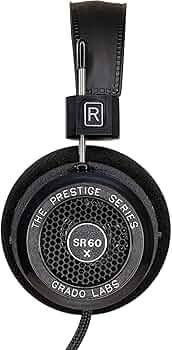
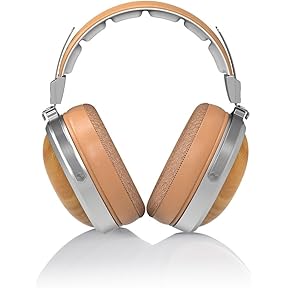
Grado Labs assembles all of its wired headphones and phono cartridges in Brooklyn, where the family company has been based since 1953. The SR60x, SR80x and SR325x are wired, open-back and assembled there; its Bluetooth and in-ear models carry no Brooklyn claim. Abyss machines frame parts, makes the planar drivers and assembles its AB-1266 Phi TC and Diana headphones in Buffalo, New York. Audeze builds every planar magnetic and electrostatic driver at its Santa Ana, California factory and hand-assembles the LCD-2 Classic, LCD-X, LCD-XC and LCD-4 there. Its LCD-1 uses US and imported parts, and Sony Interactive Entertainment owns the company.
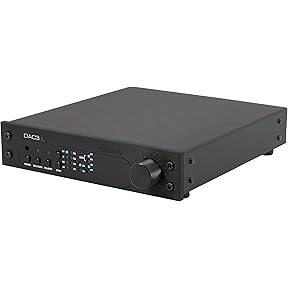
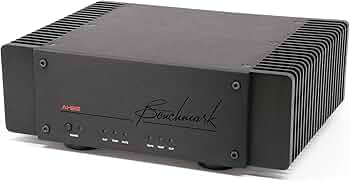
To drive them, Schiit Audio builds its own circuit boards in Corpus Christi, Texas, assembles in Corpus Christi and San Antonio, and gets chassis and transformers from California. JDS Labs designs, assembles and tests its amplifiers and DACs in Collinsville, Illinois, with boards assembled by a partner in Chicago, and says most of its parts are sourced in the US. Benchmark Media Systems designs, assembles and tests its DAC3, DAC2 and AHB2 amplifier in Syracuse, New York, where it has been since 1985; its optical cables are assembled in Canada.
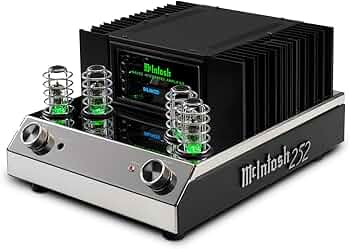
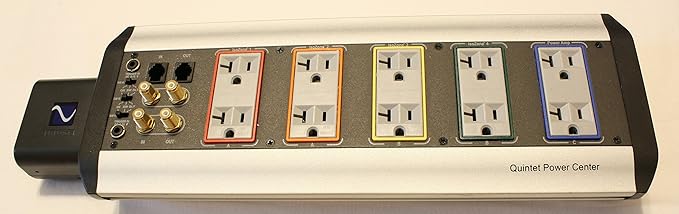
McIntosh Laboratory has built its amplifiers in Binghamton, New York since 1956, including the MA252 and MA5200 integrated amplifiers and the MHA100 headphone amp. PS Audio builds amplifiers and power regenerators in Boulder, Colorado. Emotiva designs in Franklin, Tennessee and assembles its XPA Gen 3 amplifiers there from globally sourced parts; its lower-cost products are made by partners in China and elsewhere.
Klipsch hand-assembles its Heritage Series horn speakers, including the Heresy and Forte, in Hope, Arkansas. Its powered speakers such as The Fives are designed in Indianapolis, and Klipsch does not say where they are built. ORB Audio hand-builds its small spherical steel speakers in Los Angeles, but the subwoofers bundled in its systems come from other brands. U-Turn Audio assembles its Orbit turntables in Woburn, Massachusetts from US and imported parts; the MDF plinths are made in Minnesota.
A practical rule for headphones: open-back models like the Grado SR series sound more spacious but leak sound, so they suit a quiet room, not an office or a train. Planar headphones like the Audeze LCD line are heavier, and many benefit from a dedicated amplifier.
Microphones, PA systems and instruments for working musicians
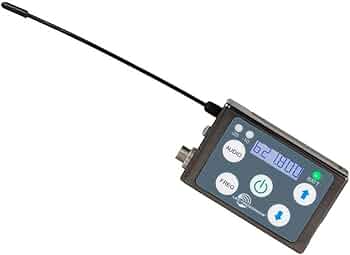
Lectrosonics builds its wireless microphone systems, including the SSM and LMb bodypack transmitters, in Rio Rancho, New Mexico, where it moved from Albuquerque in 1988. It makes its own circuit boards there. Earthworks Audio designs, tunes and assembles its ETHOS, ICON Pro, M30 measurement and DK7 drum microphones in Milford, New Hampshire, machining as many of its metal parts as it can from bar stock.
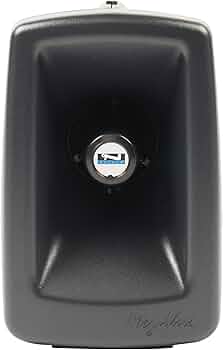
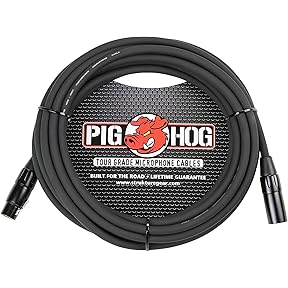
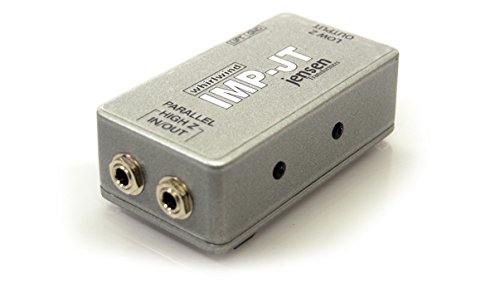
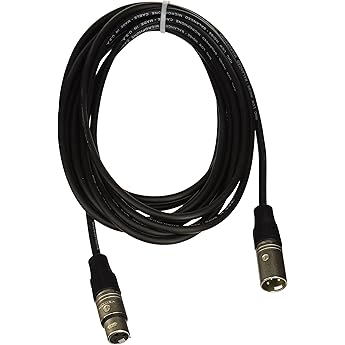
Anchor Audio builds its MegaVox, Liberty and MiniVox battery-powered PA systems in Carlsbad, California, and makes its own circuit boards, cables and microphones there. Whirlwind in Rochester, New York builds microphone cables, direct boxes such as the IMP, snakes and power distribution in its own shop; the third-party connectors and stands in its catalog are not covered.
Moog Music builds analog synthesizers, including the Minimoog Model D, Grandmother, DFAM, Subharmonicon and Subsequent 37, at its single factory in Asheville, North Carolina. Fender's American Professional II and American Vintage II guitars are built in Corona, California, and its 250-series nickel strings are listed as made in the USA. Player II and Classic Series guitars come from Ensenada, Mexico, and the Made in Japan series from Japan, so pick an American-series model if origin matters. Peavey is based in Meridian, Mississippi, but only some models, such as the Silent Cable, are stated to be US-made; it gives no origin for its PVi 2 mics or Bandit 112 amp. LM Products makes leather guitar, bass, banjo and ukulele straps in a former Montgomery Ward store in Anderson, Indiana.
GIK Acoustics hand-builds acoustic panels, bass traps and diffusers to order in Atlanta, Georgia for buyers in the Americas. The same products ordered from Europe are made in the UK or Poland.

Cables and wire assembled in Seattle, Bandon, Orlando and Reno
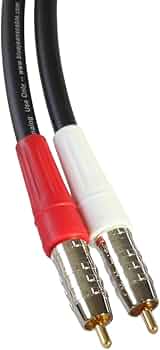
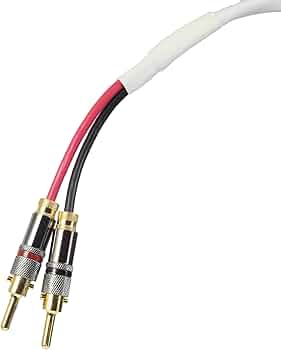
Blue Jeans Cable assembles its analog audio, speaker and Cat 6 Ethernet cables in its own shop in Seattle, Washington; its Ten White and Twelve White speaker cable is made for it in the USA. The exceptions are named: its bonded-pair HDMI cables get final assembly in China, its Series-3A active HDMI cables are made in China, and its DIY banana plugs and spade lugs come from Taiwan.
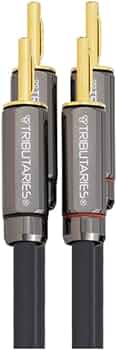
Cardas Audio makes its cables, connectors, chassis wire and bulk cable in Bandon, Oregon, and hand-solders the Iridium Phono cable there. Its Iridium XLR cables use Neutrik plugs rather than Cardas connectors. Tributaries hand-assembles its Series 2, 4, 6 and 8 speaker cables, RCA interconnects and coaxial digital cables in Orlando, Florida from foreign and domestic parts; its HDMI, USB, power and optical cables are outside that line. Better Cables hand-terminates its Silver Serpent RCA cables in the USA from US wire, with imported connectors.
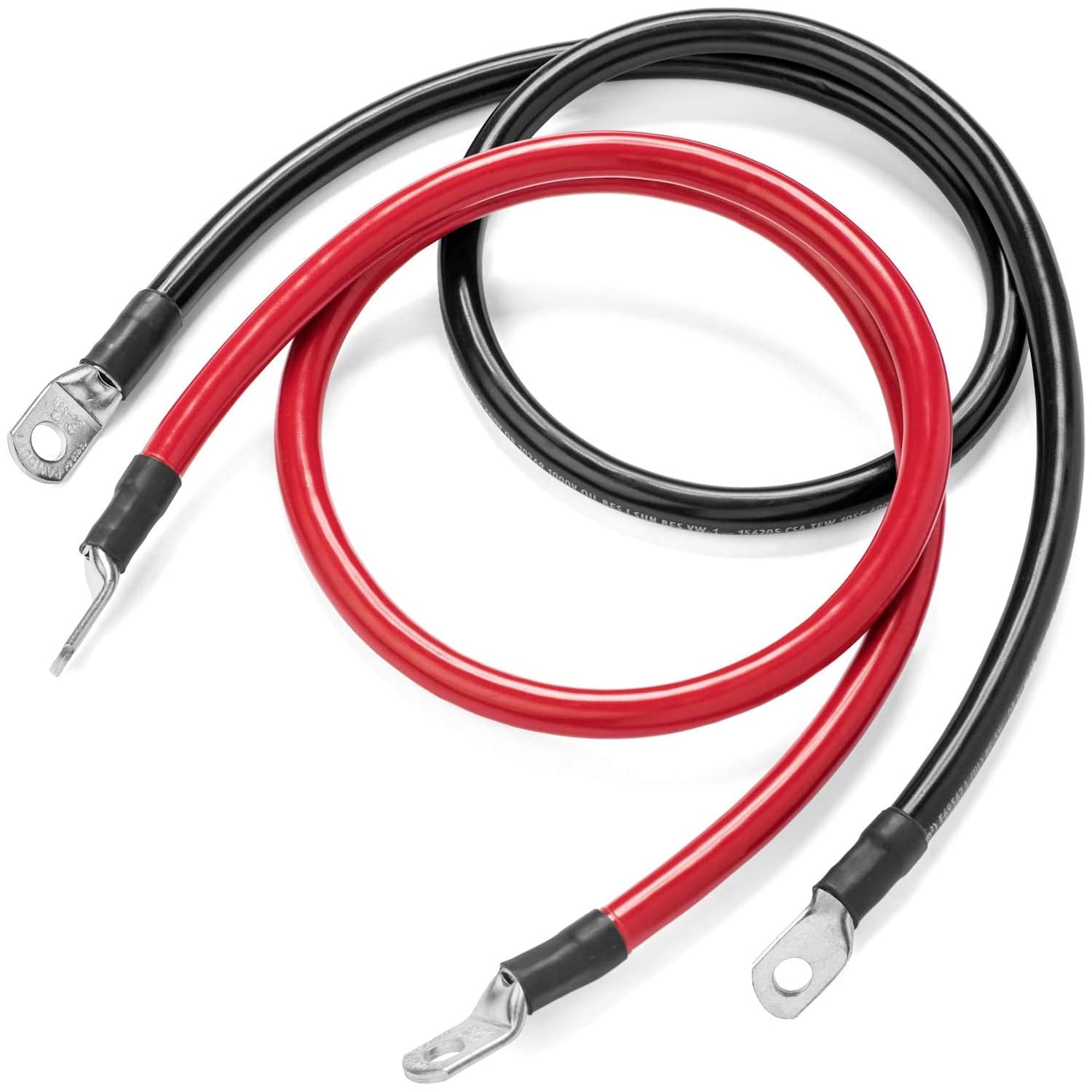
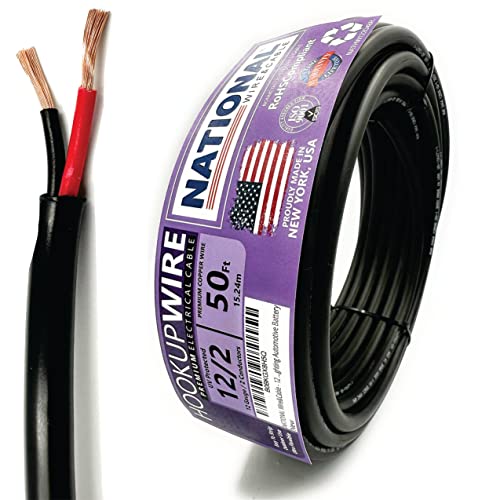
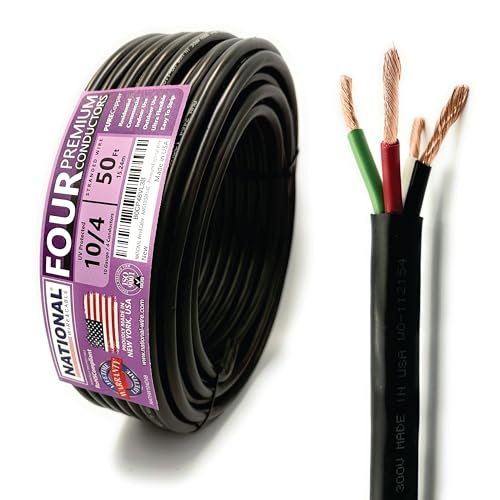
For heavier wire, Spartan Power makes battery cables, welding cable and jumper cables in Reno, Nevada; its SpartanStart soft starter is made in Australia. NATIONAL Wire and Cable says its stranded copper electrical, marine and landscape wire is made in New York, without naming the factory town.
For speaker wire, gauge matters more than brand. 16 gauge is fine for short runs to bookshelf speakers, 14 gauge for runs past about 25 feet, and 12 gauge for long runs or low-impedance speakers. Tinned copper resists corrosion in boats and damp basements. For HDMI, a certified cable of the right length works as well as an expensive one.

Outlets, surge protection, backup power and the rest of the house
Leviton was founded in New York City in 1906 by Isidor Levitin, who began with lamp sockets, and is now headquartered in Melville, New York. Hubbell is a harder brand to buy US-made: it reports 57 manufacturing locations worldwide and does not publish where each device is built. The HBL5352W 20-amp receptacle is one whose listing gives US origin, and a hospital-grade GFCI we found was made in China. IDEAL Industries, based in Sycamore, Illinois, labels its wire strippers US-made; its Wire-Nut connectors and SureTest tester carry no origin statement. Fluke has factories in the USA, the UK, Asia and the Netherlands and states US manufacture only for some meters, such as the 87V. For any outlet, connector or meter, check the country of origin printed on the package for the exact catalog number.
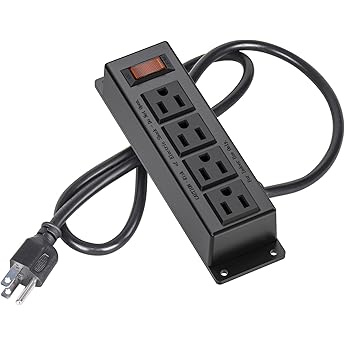
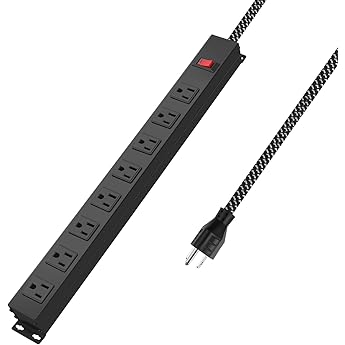
For surge protection, Bad Wolf, a veteran-owned company in Port Richey, Florida, sells whole-house surge protectors whose listings give the USA as country of origin, though it does not name the city where it builds them. SurgeX surge eliminators and power conditioners are made at AMETEK's 125,000-square-foot plant in Knightdale, North Carolina. Falconer Electronics assembles commercial power strips with US-fabricated steel housings in Falconer, New York.
Generac assembles its Guardian home standby generators in Wisconsin from foreign and domestic parts and has built a new plant in South Carolina. Its portable generators vary by engine and some carry no origin statement. PowerFilm in Ames, Iowa makes flexible amorphous silicon solar panels and its rollable and foldable chargers in the USA; its semi-flexible crystalline panels are only assembled here.
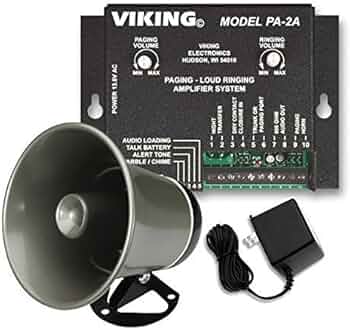
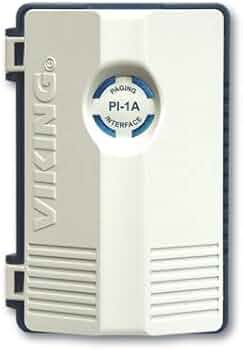
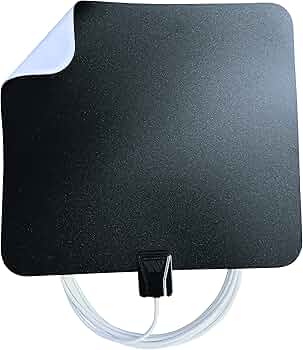
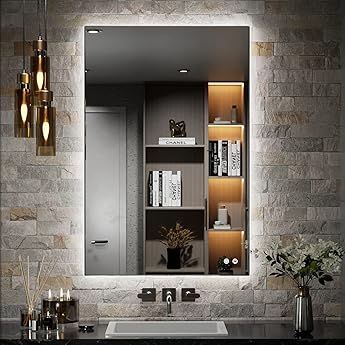
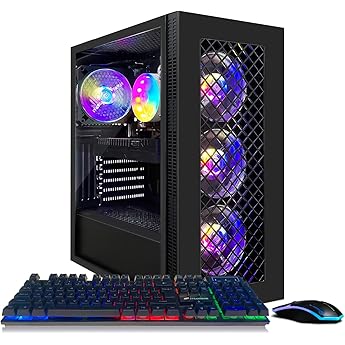
Winegard designs and builds TV and RV antennas at a 400,000-square-foot campus in Burlington, Iowa, though it does not say where each model is built. Element has assembled televisions in Winnsboro, South Carolina since 2014 and does not say where the panels come from. Velocity Micro hand-assembles and tests gaming desktops and workstations in Richmond, Virginia from bought-in parts. Unicomp builds its buckling spring Model M keyboards to order in Lexington, Kentucky. Viking Electronics builds paging interfaces and door entry phones in Hudson, Wisconsin. Middle Atlantic, now part of Legrand, lists its BGR AV racks as US-made. Séura makes lighted bathroom mirrors in Green Bay, Wisconsin. MetroVac assembles its Air Force dryers, blowers and hand vacuums in Oakland, New Jersey from domestic and international components. 4Patriots hand-packs its emergency food kits in Utah; its solar and battery products are made in Asia.
Familiar brands that don't say their gear is US-made
Several familiar names here carry no US origin statement on their current products, or are made abroad.
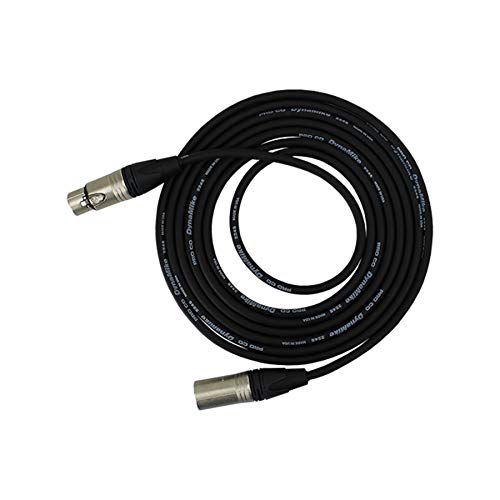
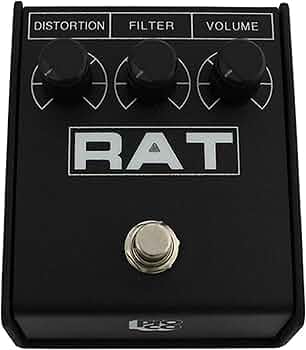
Crestron is based in Rockleigh, New Jersey, but its own trade-compliance list gives Mexico as the origin of its touch screens and processors. Rane began in Mukilteo, Washington, and production moved overseas after inMusic bought it in 2016. Pro Co Sound's RAT2 distortion pedal has been made in China since 2008, and the brand states no origin for its cables. QSC, in Costa Mesa, California, has used overseas partners for lower-cost lines since 1999 and gives no origin for the CP8 speaker. Outlaw Audio does not say where its amplifiers are built.
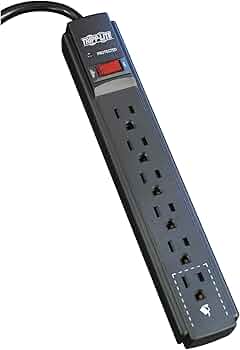
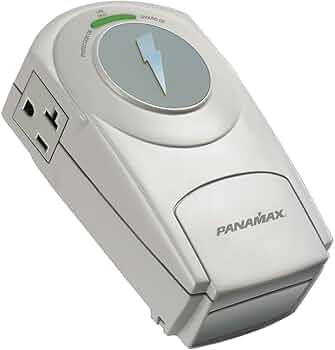
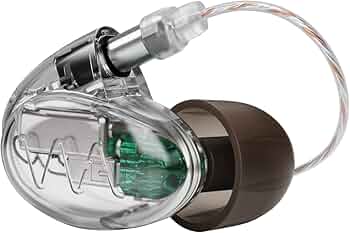
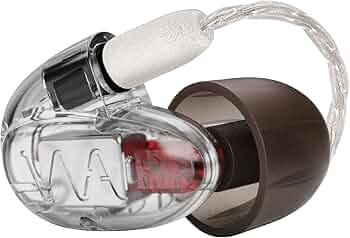
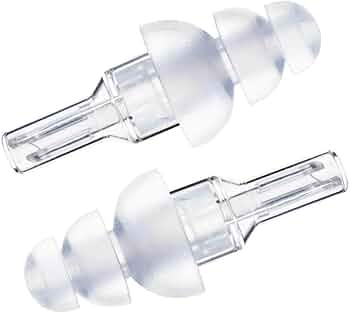
Tripp Lite (Eaton) and Panamax (Nice North America) do not say where their surge protectors are made. RCA antennas and coaxial cables are licensed products with no stated factory. Crutchfield's own speaker wire and amp kits carry no origin. RapcoHorizon in Jackson, Missouri, Westone in Colorado Springs and Etymotic Research in Elk Grove Village, Illinois do not say where their cables, in-ear monitors or earplugs are made. Canare's parent is Japanese, and its US arm does not say where its cable comes from.
Browse All Electronics Products
See all 259 verified American-made electronics products in our catalog.
Frequently Asked Questions
Are Maglite flashlights still made in the USA?
Yes, with some imported parts. Mag Instrument assembles Maglite flashlights at its only factory, in Ontario, California, where it says all of the body parts and most of the other parts are made. That covers the full-size D-cell and C-cell lights such as the ML300L, the Mini Maglite and the Solitaire. Maglite says "Built In America" does not mean no part is ever imported, and it notes foreign content on the package. The ML300L page reads "Designed and manufactured in the USA with some imported components."
Why don't SureFire flashlights say Made in USA?
Because a few parts, most notably the LEDs, are imported. SureFire designs, machines, tests and assembles its flashlights and WeaponLights in Southern California, with machining in Santa Ana and assembly at its Fountain Valley headquarters, but one substantially foreign component rules out the Made in USA label. On a SureFire light, look for its "designed, machined, tested, and assembled in the U.S." wording instead. SureFire says its suppressors, rifle magazines and pens are 100% made in the USA, and its 123A batteries are still marked that way.
Are Pelican cases made in the USA?
The hard cases are. Pelican's own pages carry a MADE IN USA mark on its Protector cases, including the 1120, 1200, 1300, 1400, 1500, 1510 carry-on, 1550, 1560 and 1700, and on the 1050 Micro Case. The company still has 200,000 square feet of manufacturing and office space in Torrance, California, where Dave Parker founded it in 1976. Pelican runs six plants in all and not every product carries the mark; its 2780 headlamp page shows none. Check Pelican's page for the exact product.
Which headphones are made in America?
Grado assembles all of its wired headphones, including the SR60x, SR80x and SR325x, in Brooklyn, New York; its Bluetooth and in-ear models carry no Brooklyn claim. Abyss machines, builds drivers for and assembles its AB-1266 Phi TC and Diana headphones in Buffalo, New York. Audeze builds every planar driver in Santa Ana, California and hand-assembles its LCD series there, though the LCD-1 uses some imported parts. For amplification, Schiit builds in Corpus Christi and San Antonio, Texas, and JDS Labs assembles in Collinsville, Illinois.
Are Streamlight flashlights made in the USA?
Some are. Streamlight, based in Eagleville, Pennsylvania since 1973, assembles its TLR weapon lights and some professional flashlights there from US and foreign parts. Much of its consumer range is made in China, and the ProTac HL USB flashlight and MicroStream USB penlight are among the models made abroad. Check the package on any Streamlight model. For a light assembled in the US with clearly stated origin, Maglite, SureFire, INFORCE, Princeton Tec and Tektite each say where they build theirs.