Best American-Made Garden & Patio Tools
Shovels, hoses, planters, outdoor furniture and yard gear built in US plants, with the imported lines inside each brand named.
Quick Answer
Bully Tools makes shovels and forks in Steubenville, Ohio, Gilmour makes Flexogen hoses in Excelsior Springs, Missouri, and POLYWOOD builds recycled-plastic outdoor furniture in Syracuse, Indiana, and Roxboro, North Carolina.
Last updated: October 2026
Made in USA Garden & Patio: by the numbers
- 343 verified American-made garden & patio products from 73 U.S. brands in the catalog, each checked against its factory location and its own statements.
- Top manufacturing states for these brands: Pennsylvania (9 brands), Illinois (6 brands), North Carolina (5 brands).
- U.S. manufacturing employed 12.6 million Americans as of May 2026 (U.S. Bureau of Labor Statistics), and 70% of consumers say buying American-made is at least somewhat important to them (DuraPlas survey, Feb 2025).
Catalog figures recompute at every site build. More data and sources on our American manufacturing statistics page.
Quick Comparison
Shovels, forks and hoes from Steubenville, Ohio and Munden, Kansas
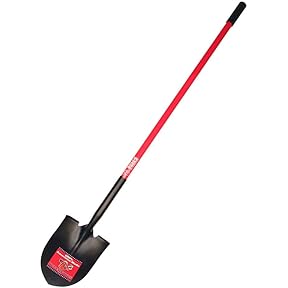
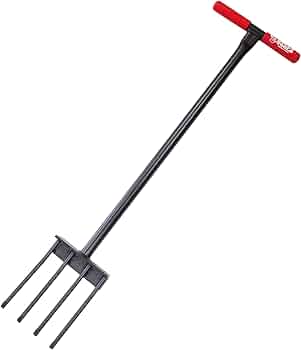
Bully Tools makes its shovels, spades, spading forks, hoes and rakes at its own factory in Steubenville, Ohio, and says all of its products and materials are made in the USA. The company started in 1994 in a 1,500 square foot building in Pittsburgh and built the Steubenville plant in 2006. It does its own welding, stamping, plasma cutting, heat treating, injection molding and powder coating. Its round point and square point shovels have 14-gauge steel heads, heavier than the thin stamped heads on many low-cost shovels, and many come with fiberglass D-grip handles.
True Temper is the name many people remember from American shovels, but its parent company, AMES, says US production of long-handled tools ended in 2024. Do not assume a current True Temper shovel, rake or axe is US-made. Check the label.
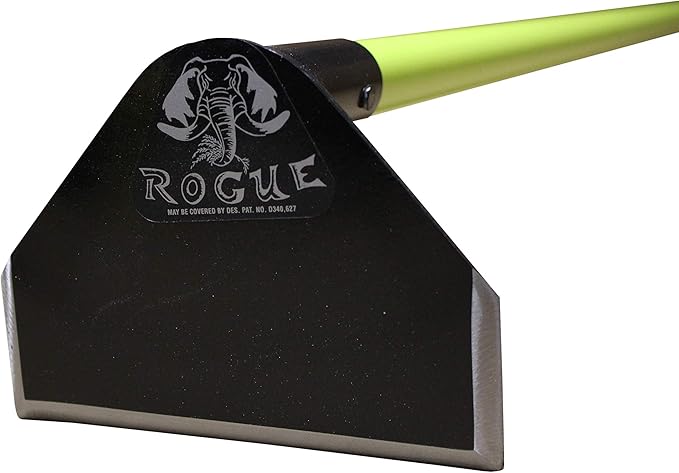
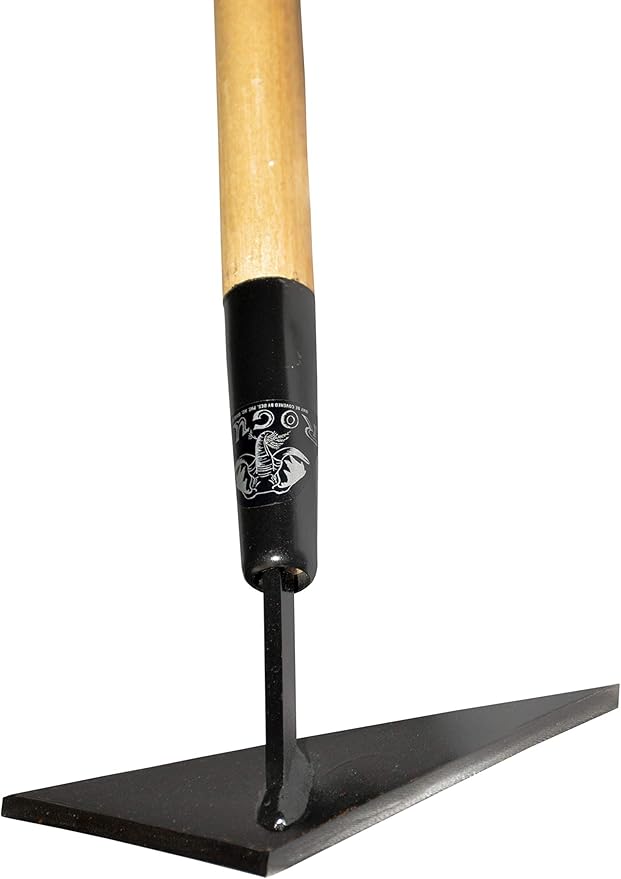
Prohoe Manufacturing, a family business run by Loren and Judy Kisby in Munden, Kansas, cuts its Rogue hoe heads from recycled agricultural disc blades and grinds, welds and sharpens them by hand. The first one was a Christmas gift in 1990. Disc-blade steel is hard and holds an edge, which is why Rogue hoes are popular for heavy weeds and sod. Prohoe doesn't say where its ash and fiberglass handles come from. Hoss Tools of Norman Park, Georgia, sells a stirrup hoe and a welded-head garden hoe on American hardwood handles.
Flexrake's Hula-Ho weeders and cast aluminum hand cultivator are labeled made in the USA, but some other Flexrake tools, including a steel lawn rake, are imported. Florian's Ratchet-Cut pruner is back in production in Illinois. Illinois Supply Company bought the brand in 2022 after years of on-and-off shutdowns under the previous maker and moved the tooling to its plant in New Lenox. The ratchet closes the blade in several short squeezes, which helps if your grip is weak. Florian warns about counterfeit copies, so buy from the brand or an authorized seller.
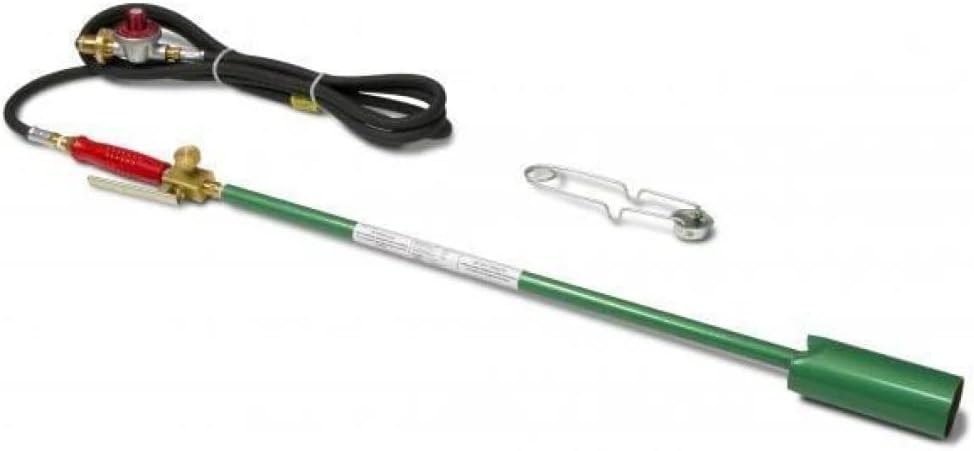
Flame Engineering builds Red Dragon and Weed Dragon propane torches at its one factory in La Crosse, Kansas, from US-sourced materials. The design grew out of a weed-burning torch Ralph Pivonka and his son Mike built for their Kansas farm in the mid-1950s. A weed torch works by heating the leaves until the cells rupture, so a quick pass is enough; you don't need to burn the plant to ash.
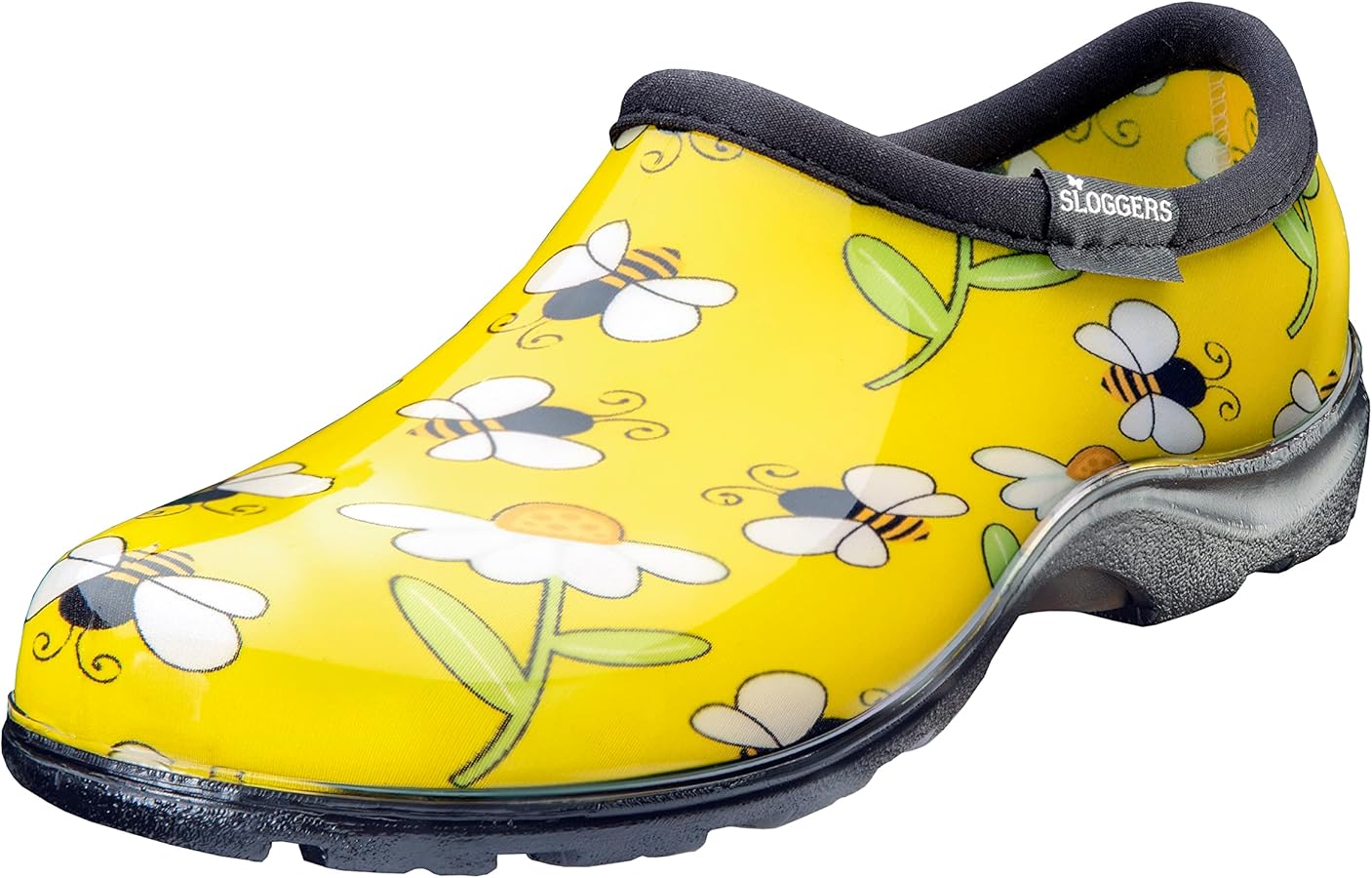
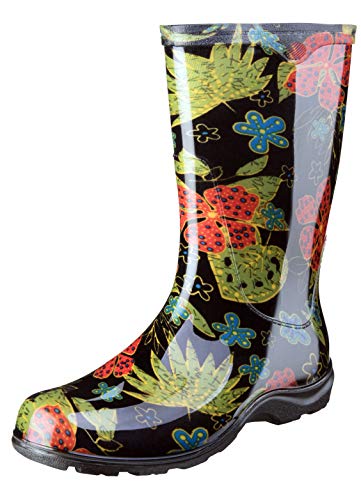
For hands and feet, MidWest Gloves & Gear, of Chillicothe, Missouri, sews its American Made 650 buffalo and 850 buckskin leather work gloves in its home state. Most of its other gloves, garden gloves included, are imported, so look for American Made in the product name. Sloggers makes waterproof garden shoes, clogs and rain boots at its plant in California from US and imported parts.
Fiberglass handles don't rot or split when a tool is left outside. Wood is lighter, absorbs shock better and can be replaced at home. Either works. On any shovel the joint between head and handle takes the most strain, and a solid weld or a long riveted socket outlasts a short crimped one.
Garden hoses made in Missouri, Oregon, Texas, New Jersey and South Carolina
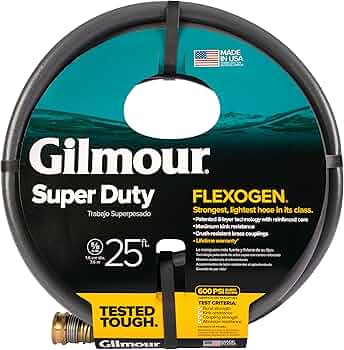
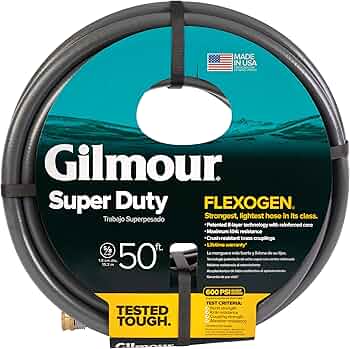
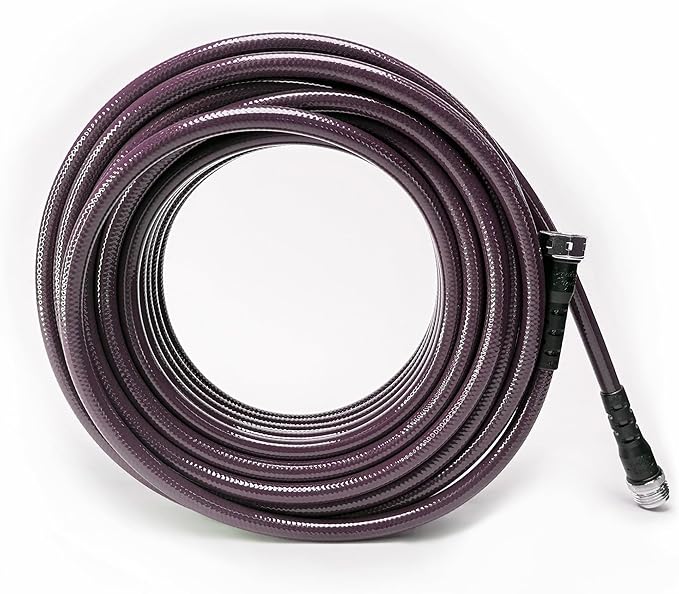
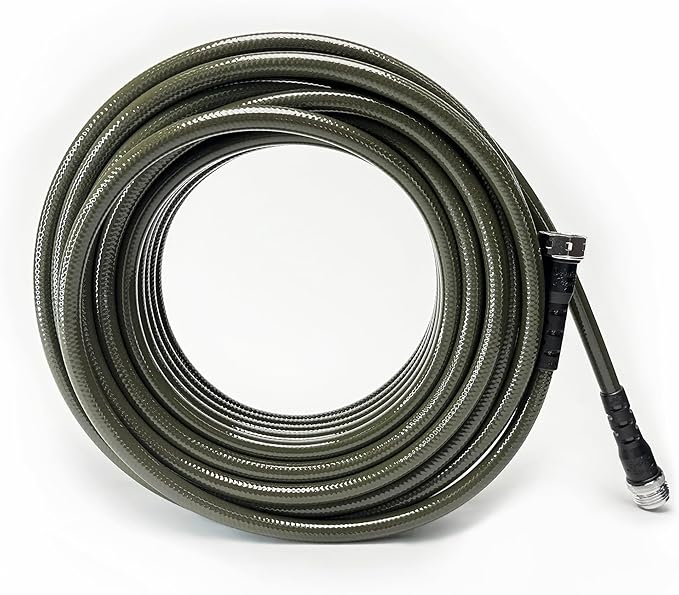
Hoses are the easiest US-made watering gear to find. Gilmour has made hoses at its plant in Excelsior Springs, Missouri, since the 1950s, knitting the reinforcement and extruding its Flexogen hose there. Its Flexogen and Pro Commercial hoses say made in the USA. Gilmour's nozzles, sprinklers, connectors and timers carry no stated origin, so don't assume they come from Missouri.
Water Right makes polyurethane garden, coil and soaker hoses in Oregon's Willamette Valley and fits them with lead-free brass. Polyurethane hose is lighter than rubber and coils easily. Water Right's hose pages say made in Oregon, while its couplers and end caps give no origin.
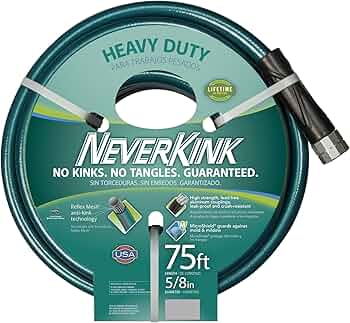
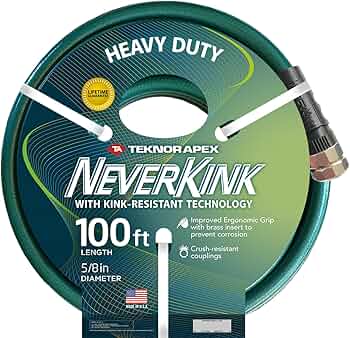
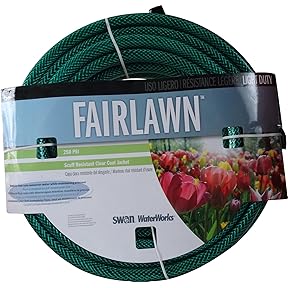
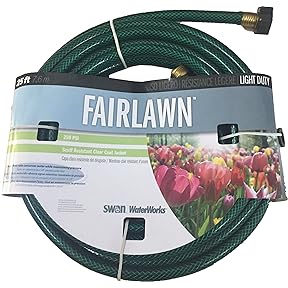
Teknor Apex, a family plastics company founded in 1924 in Pawtucket, Rhode Island, labels its NeverKink Heavy Duty and NeverKink PRO hoses made in USA. Its zero-G, NexFlex and soaker hoses are labeled assembled in the USA, which means some parts are imported. Swan makes vinyl and rubber hoses, including WeatherFlex and PressureMASTER, at plants in Waco, Texas, and Sparks, Nevada, with some imported components. Swan's own pages say its expandable hose, metal hose, watering wands and swivels are made in China.
Flexon makes rubber and vinyl hoses at its own plants in Newark, New Jersey, and Anderson, South Carolina, also with globally sourced components. Its Supreme Duty, Farm and Ranch and Contractor Grade hoses carry the US label, while its Flextreme rubber and H2Zero hoses do not.
For the end of the hose, Orrco, a precision machine shop in Greensburg, Pennsylvania, makes solid brass nozzles and quick connectors labeled made in the USA. Rain Bird has a US plant in Steele, Alabama, and several plants in Mexico, and doesn't say which products come from which, so check each package.
Pick hose diameter by distance. A 5/8-inch hose suits most yards, and a 3/4-inch hose moves more water over long runs. Drain hoses and bring them in before a hard freeze, since water left inside can split the hose and crack the fittings.
Spreaders from Indiana, sprayers from New York, fertilizer from New Jersey
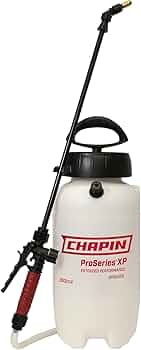
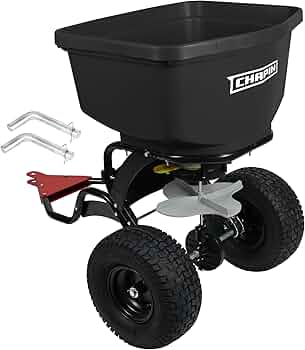
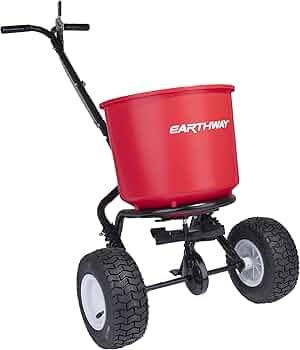
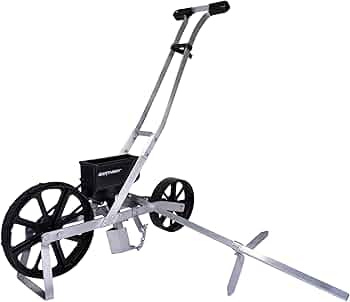
EarthWay builds broadcast spreaders, tow-behind spreaders and its Precision Garden Seeder in Bristol, Indiana, where it also does design and testing. Chapin International makes compression, backpack and handheld sprayers in Batavia, New York, with some imported internal parts. Chapin says most of its spreaders and watering products are not made in the US. Its 8622B tow-behind spreader is one exception, so read the product page on any other Chapin spreader.
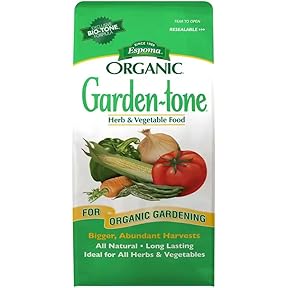
Espoma has blended its Tone fertilizers, including Holly-tone, Plant-tone and Garden-tone, in Millville, New Jersey, since 1929, and added a plant in Hegins, Pennsylvania, in 2025 to process raw materials. Jobe's makes its fertilizer spikes and Jobe's Organics granular fertilizers at a factory in Kentucky. Organic Mechanics mixes and bags peat-free potting soil in Chester County, Pennsylvania, from local compost and pine bark plus coconut coir from Sri Lanka. FoxFarm, the Humboldt County soil company behind Ocean Forest and Big Bloom, runs facilities in Samoa, California, and Pendleton, South Carolina, though it doesn't say which site blends which product.
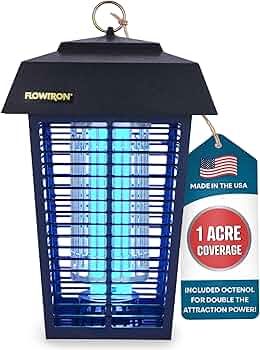
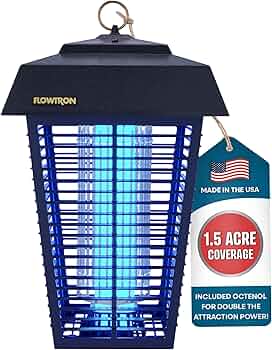
Havahart, a Woodstream brand, says nearly all of its live-catch cage traps are made in the US. Flowtron makes electric bug zappers and indoor fly killers in Whitsett, North Carolina. RESCUE! fly, wasp and yellowjacket traps come from Sterling International in Spokane, Washington, which started in its founder's garage in 1982. EarthKind makes its Fresh Cab rodent repellent and Stay Away pouches in the US from plant-based ingredients. All Seasons Feeders, a San Antonio family company since 1987, builds deer and protein feeders in Texas; the timers, motors and solar panels carry no origin line.
Proven Winners is owned by two US propagators, Four Star Greenhouse in Carleton, Michigan, and Pleasant View Gardens in Loudon, New Hampshire, and its plants are finished by growers across North America, with some young plants from Canadian licensees. Back to the Roots makes its mushroom grow kits in Michigan. Seed companies rarely say where seed is grown, so read a US address on a seed packet as the seller's address, not the farm's.
Spread granular fertilizer in two passes at half the rate, the second at right angles to the first. That avoids the striped lawn a single pass with gaps leaves behind.

Planters and raised beds from Lancaster, Hudsonville and Oklahoma City
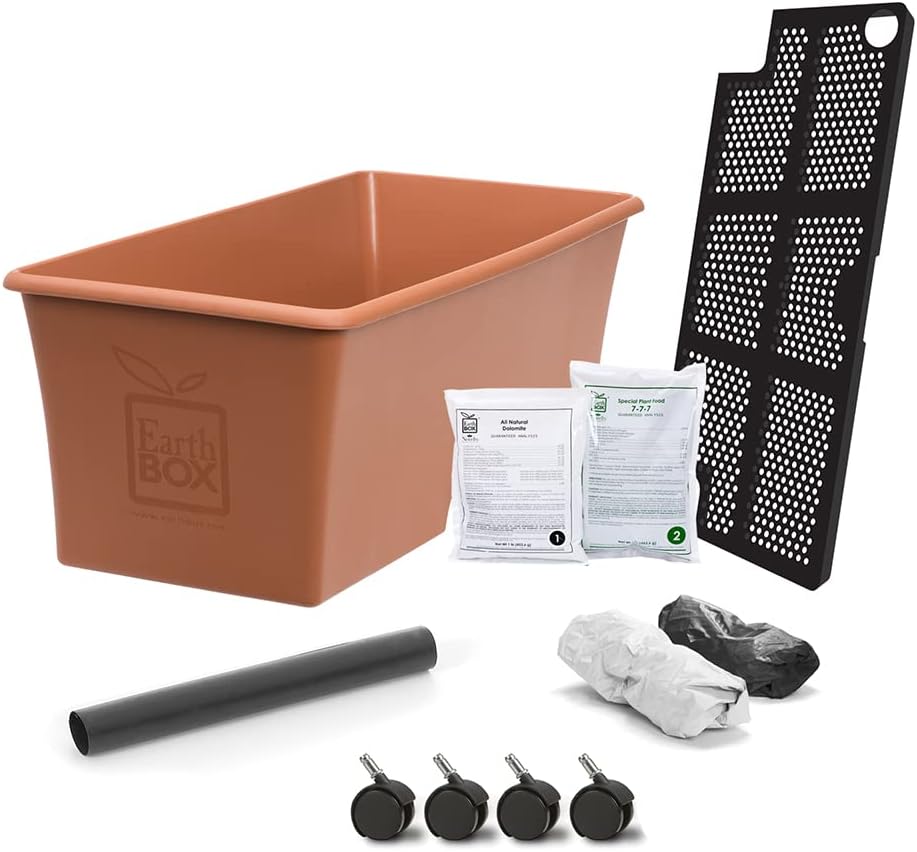
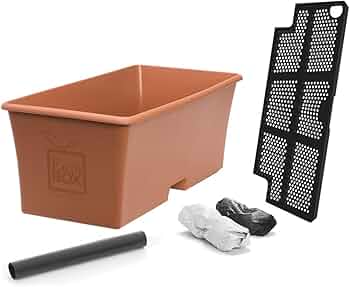
Novelty Manufacturing Co. has made home and garden products in Lancaster, Pennsylvania, for over 100 years. It makes EarthBox self-watering planters and garden kits there, molds plastic planters and watering cans, and sells many of them under its Root & Vessel name. The US-made claim covers the plastic lines. Root & Vessel's stone-and-resin planters carry no US origin line, and Novelty's metal and Artstone planters are imported. EarthBox says nearly all, not all, of its products come from Lancaster, and its garden stand and watering system pages give no origin.
Bloem injection-molds resin planters, self-watering pots, deck rail planters and watering cans in Hudsonville, Michigan, and Apopka, Florida. Tusco Products rotation-molds large polyethylene planters in the USA and is based in Streetsboro, Ohio. Austin Planter saucers and pots are molded by Beloit Plastics in Beloit, Wisconsin. PolyStone makes cast-stone-look planters by hand in Kansas City, Kansas. Smart Spring's stackable planter towers are molded by GAIM Plastics in Elmhurst, Illinois. GreenLine Manufacturing fabricates fiberglass and metal planters in Indianapolis, and its plastic Memphis floor pots are listed as made in the USA.
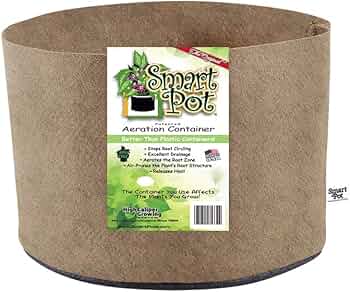
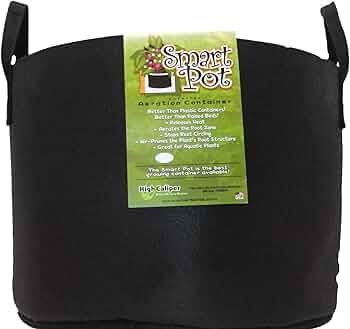
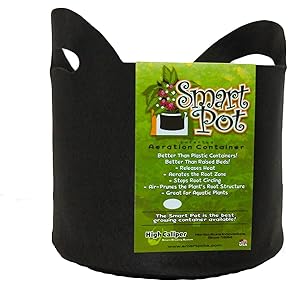
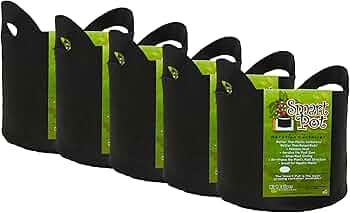
Smart Pot cuts, sews and ships its fabric containers, Big Bag Beds and Root Control Bags from one building in Oklahoma City. The brand traces to Ralph Reiger's fabric tree containers in 1980 and to Root Control, Inc., founded in 1984. Fabric lets roots air-prune at the wall instead of circling, and it dries out faster than plastic, so plan to water more often in summer.
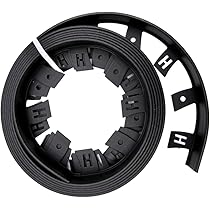
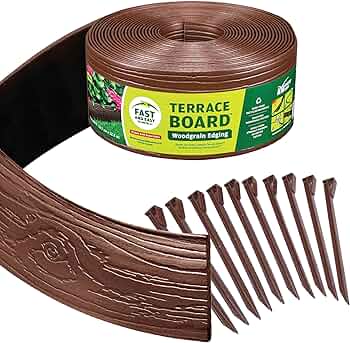
Greenes Fence in Bedford Heights, Ohio, makes untreated cedar raised beds and picket fences in the USA from North American cedar. Gronomics, operating out of Central Wisconsin since 2008, builds cedar beds and elevated planters in the US. CowPots molds seed-starting pots from composted cow manure at a factory a few hundred feet from the dairy barn on the Freund family farm in East Canaan, Connecticut, and the pots go into the ground with the seedling. Master Mark makes recycled-plastic landscape edging, stakes and splash blocks at Avon Plastics in Paynesville, Minnesota.
Untreated cedar resists rot without chemicals that could leach into a vegetable bed, and it lasts longer when the boards sit on gravel instead of wet soil. Panacea Products of Columbus, Ohio, sells metal trellises and plant stands produced in North America and the Far East, so check the origin of each item.
Outdoor furniture: recycled lumber from Indiana, aluminum from Sarasota
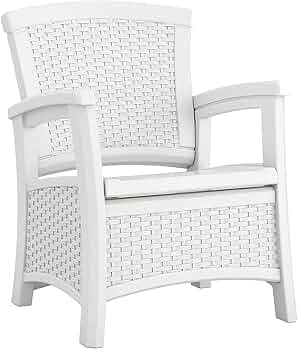
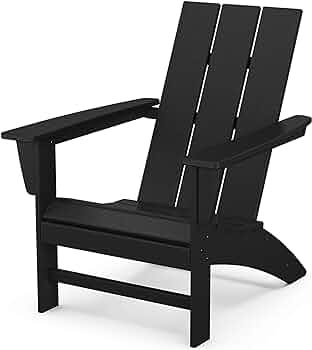
POLYWOOD has made outdoor furniture from recycled plastic lumber in Syracuse, Indiana, since 1990, and added a second plant in Roxboro, North Carolina. That covers its Adirondack chairs, rockers, benches, gliders and dining sets, and its woven material and cushion fabric are also labeled made in the USA. Highwood USA builds recycled poly lumber furniture in its own plants in Pennsylvania and Wisconsin and is based in Hometown, Pennsylvania. Berlin Gardens makes poly furniture in Berlin, Ohio, from boards it says are 95% recycled content. Breezesta, which built poly furniture in New Holland, Pennsylvania, sold its assets and stopped operating in April 2025.
Poly lumber doesn't need paint or sealing, and the color runs through the board, so a scratch doesn't show bare wood. It is heavy, which keeps chairs in place in wind, and dark colors get hot in direct sun.
Adams Manufacturing injection-molds resin Adirondack chairs and rockers in Portersville, Pennsylvania, from a mix of domestic and globally sourced material. Suncast molds resin deck boxes, storage benches, sheds, cabinets, hose reels and patio furniture in the USA from domestic resin, with a facility in Batavia, Illinois. Lifetime Products has plants in Clearfield, Utah, and Mascot, Tennessee, but also produces in Xiamen, China, so check the label on its tables and chairs.
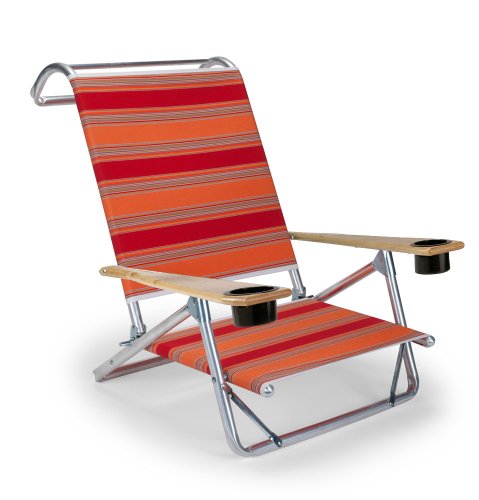
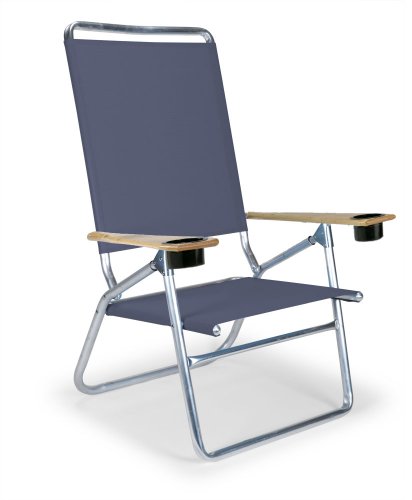
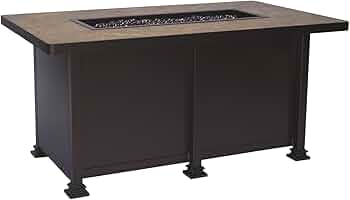
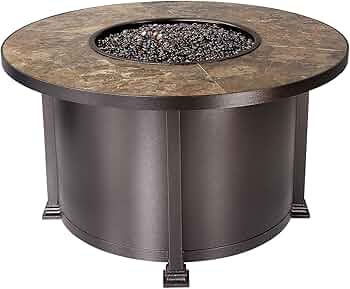
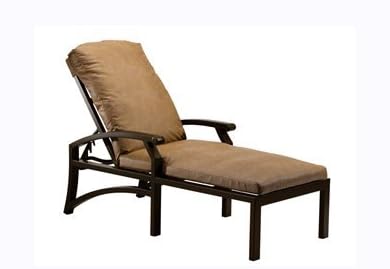
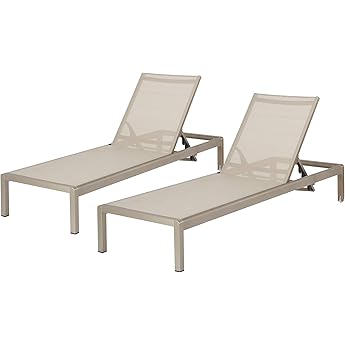
Tropitone builds aluminum furniture to order in Sarasota, Florida, where it started in 1954. O.W. Lee makes wrought iron and aluminum furniture and fire pits at a 450,000 square foot plant in Comfort, Texas, and the Lee family still runs it. Meadowcraft, now owned by Airco, labels each of its wrought iron chairs, gliders and tables made in the USA but doesn't name the town. Telescope Casual, a fourth-generation family company, builds aluminum, sling and polymer furniture and folding beach chairs in Granville, New York, where it began in 1903. Creekvine Designs sells western red cedar Adirondack chairs, benches and swings labeled made in the USA, without naming its workshop.
RSH Decor sews Sunbrella pillows and cushions in Easley, South Carolina; the Treasure Garden umbrellas it resells are not its own. Hatteras Hammocks weaves rope hammocks, sews fabric hammocks and welds steel stands in Greenville, North Carolina, where Walter Perkins Jr. started the company in 1971. The spreader bars on most of its hammocks are Brazilian cumaru wood.
Fire pits, bird feeders, flags and chimes
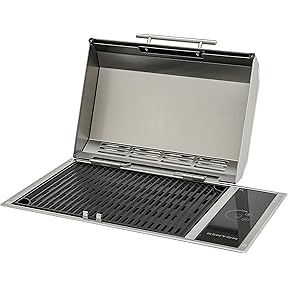
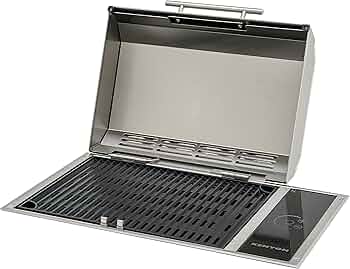
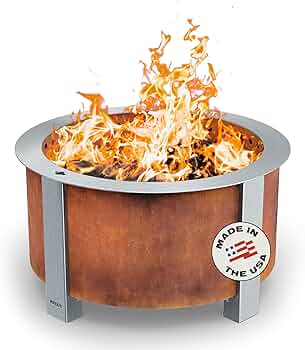
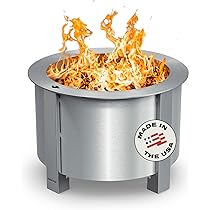
Breeo builds smokeless fire pits, cooking grates and fireside furniture in Lancaster County, Pennsylvania, from American-sourced steel. Its X Series comes in corten steel, which rusts to a stable brown surface, or stainless steel, which stays bright. Kenyon designs and assembles electric grills in Clinton, Connecticut, and Citrusafe grill cleaners come from Bryson Industries in Thomasville, North Carolina.
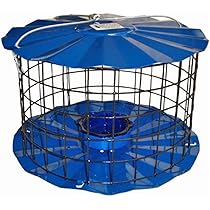
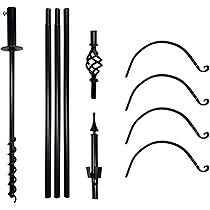
Erva makes steel bird feeders, pole systems, hangers and baffles in a 1920s factory building in Chicago. Toolmaker Walter Heyek founded the company in 1967. Birds Choice makes recycled-plastic feeders and houses in Chilton, Wisconsin, though some of its tube feeders are imported. Woodlink builds cedar and recycled-plastic feeders in Mount Ayr, Iowa, and imports part of its range from China and India. Droll Yankees, now a Woodstream brand, sells the Yankee Flipper and Ring Pull tube feeders with US origin on their listings. A baffle on the pole does more against squirrels than most feeder designs.
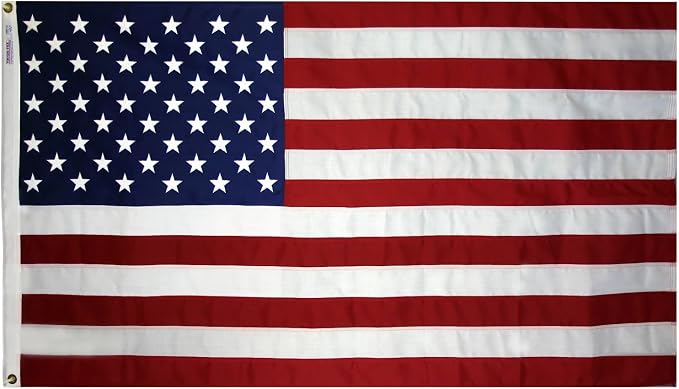
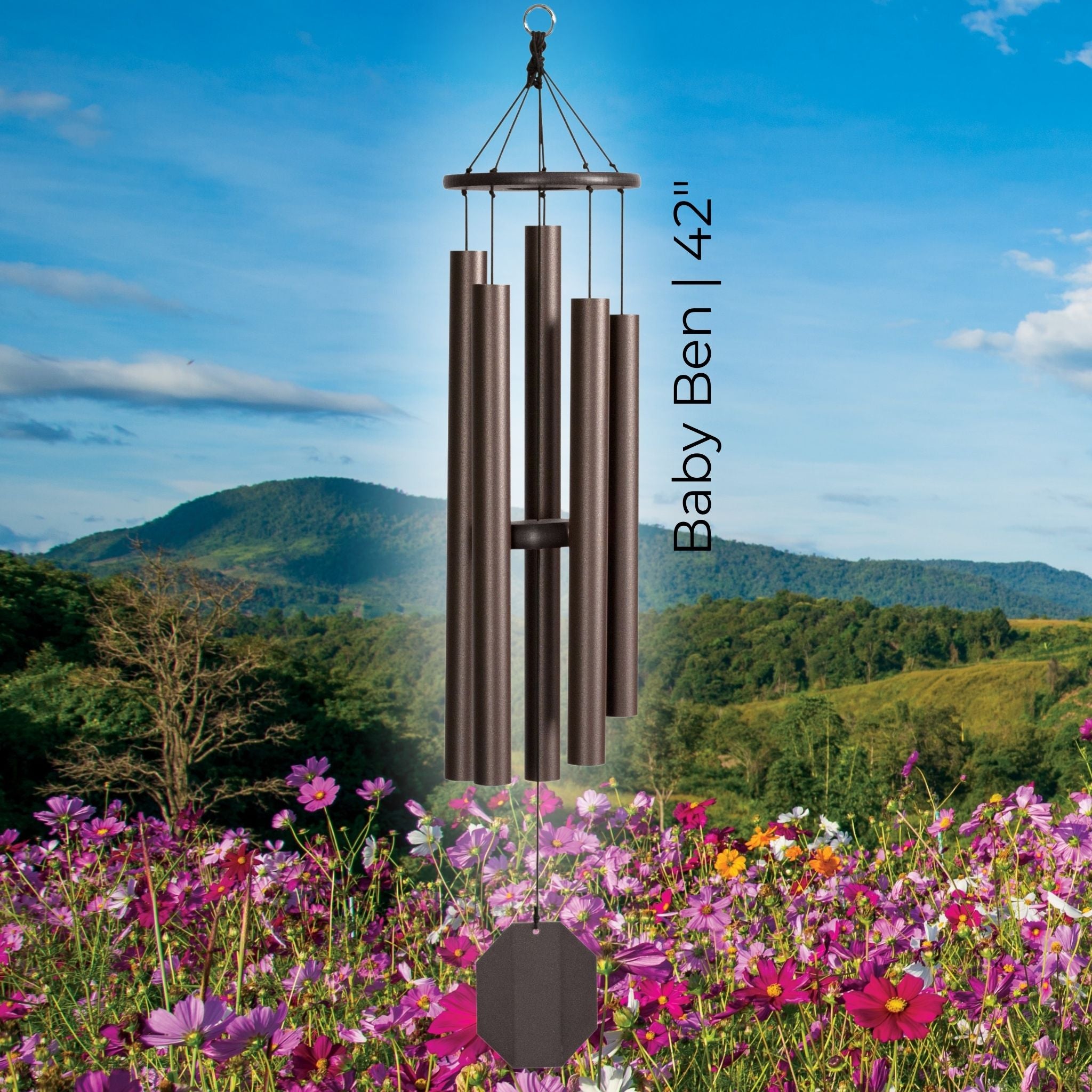
Annin Flagmakers, founded in 1847, makes US and state flags at plants in South Boston and Cobbs Creek, Virginia, and Coshocton, Ohio. Some of its flagpoles, hardware and licensed sports flags are imported, so in a flag-and-pole kit the pole may not be American. Valley Forge Flag makes US, state and military flags at five South Carolina plants and a Pennsylvania site. Perfect Pitch Chimes sells tuned tubular chimes made by Lambright Country Chimes, an Amish family workshop in Shipshewana, Indiana.
Larson makes storm doors and retractable screen doors at plants in Brookings, South Dakota, Lake Mills, Iowa, Mocksville, North Carolina, and Senatobia, Mississippi. Dalen Products of Knoxville, Tennessee, marks some of its Gardeneer netting and fencing as made in the USA, but not all of it.
Browse All Garden & Patio Products
See all 343 verified American-made garden & patio products in our catalog.
Frequently Asked Questions
Are True Temper shovels still made in the USA?
Not anymore, as a rule. True Temper is an AMES brand, and AMES says US production of its long-handled tools ended in 2024. Older True Temper tools may carry a US label, but a new one should not be assumed American. For a US-made shovel, Bully Tools makes its round point, square point and drain spades at its own plant in Steubenville, Ohio, and says all of its materials are American too.
Which garden hoses are made in the USA?
Gilmour makes Flexogen and Pro Commercial hoses in Excelsior Springs, Missouri. Water Right makes polyurethane hoses in Oregon's Willamette Valley. Teknor Apex labels its NeverKink Heavy Duty and PRO hoses made in USA. Swan makes WeatherFlex and PressureMASTER hoses in Waco, Texas, and Sparks, Nevada, and Flexon makes hoses in Newark, New Jersey, and Anderson, South Carolina, both with some imported components. The expandable and metal hoses Swan sells are made in China.
Is POLYWOOD furniture made in the USA?
Yes. POLYWOOD has made its recycled plastic lumber furniture in Syracuse, Indiana, since it was founded in 1990, and it ships from plants in Syracuse and Roxboro, North Carolina. Its woven material and cushion fabric are also labeled made in the USA. POLYWOOD does not say where its stainless steel fasteners come from. Highwood USA, in Pennsylvania and Wisconsin, and Berlin Gardens, in Berlin, Ohio, also build poly lumber furniture in US plants.
What does made in USA with global components mean?
It means the product is built in a US plant from a mix of American and imported parts, and the brand is telling you so. Swan, Flexon and Chapin use this kind of wording on hoses and sprayers made in Texas, Nevada, New Jersey, South Carolina and New York. Assembled in the USA, which Teknor Apex uses for its zero-G hoses, generally means less of the product is American than a plain made in USA label.
Are Chapin sprayers and spreaders made in the USA?
Chapin's sprayers are. The company makes compression, backpack and handheld sprayers in Batavia, New York, with a share of internal components from outside the US. Its spreaders and watering products are mostly not US-made by Chapin's own account, though the 8622B tow-behind spreader is labeled made in the USA with global materials. For a US-built spreader, EarthWay makes its broadcast and tow-behind spreaders in Bristol, Indiana.