Best American-Made Tools & Hardware
Pliers, hammers, axes, knives, sockets and layout tools made in American plants, with the imported lines in each brand named.
Quick Answer
Channellock makes its non-locking pliers in Meadville, Pennsylvania. Estwing forges all-steel hammers in Rockford, Illinois. Wright Tool hot forges wrenches and sockets in Barberton, Ohio, and Council Tool forges axes in Lake Waccamaw, North Carolina.
Last updated: October 2026
Made in USA Tools & Hardware: by the numbers
- 545 verified American-made tools & hardware products from 85 U.S. brands in the catalog, each checked against its factory location and its own statements.
- Top manufacturing states for these brands: Pennsylvania (9 brands), Illinois (6 brands), Oregon (6 brands).
- U.S. manufacturing employed 12.6 million Americans as of May 2026 (U.S. Bureau of Labor Statistics), and 70% of consumers say buying American-made is at least somewhat important to them (DuraPlas survey, Feb 2025).
Catalog figures recompute at every site build. More data and sources on our American manufacturing statistics page.
Quick Comparison
Pliers and snips from Meadville, Saco and Sturgis
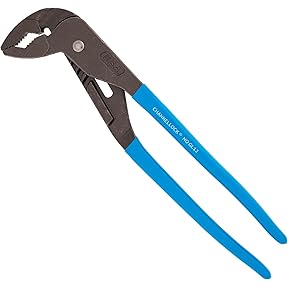
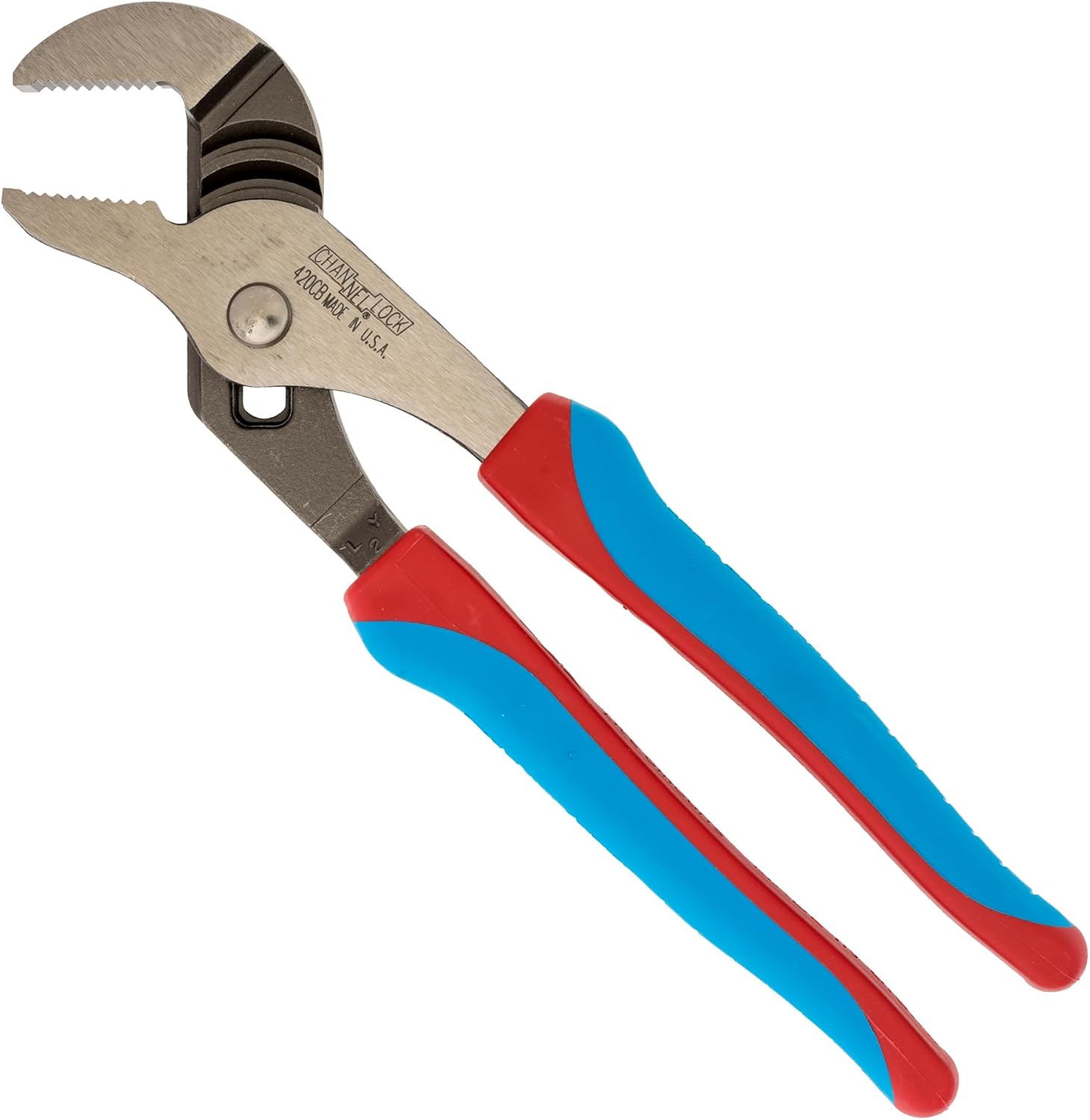
Channellock makes pliers, snips, drivers and pry bars at its plant in Meadville, Pennsylvania and has been there since 1886. It says all of its snips, non-locking pliers, professional drivers, pry bars and ratcheting wrenches are made in the USA. Its locking pliers, levels and socket sets are not on that list. Channellock says a select number of its products are imported and tells buyers to check the package.
Klein Tools has made hand tools for electricians in the United States since 1857, at plants in Texas, Illinois, New York and Arkansas.
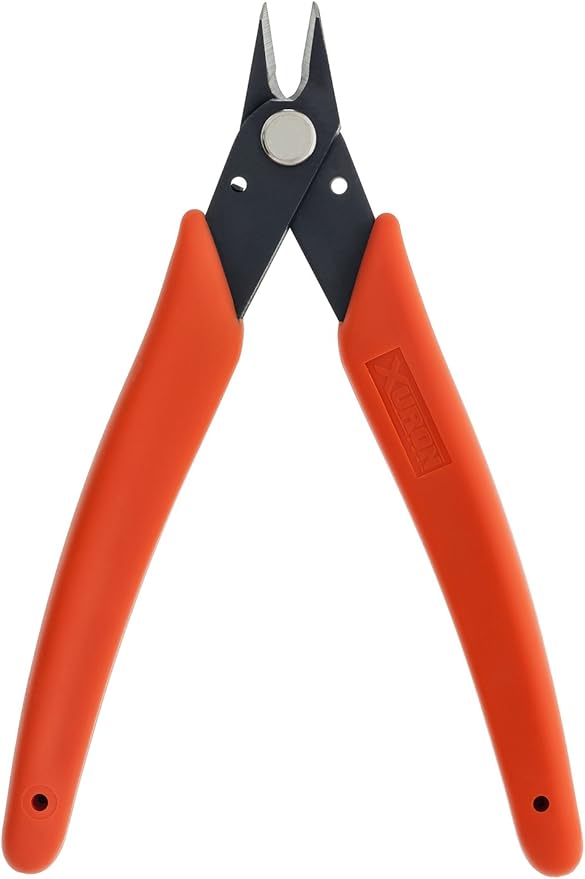
For fine cutting, Xuron makes Micro-Shear flush cutters, photo-etch cutters and pliers at 62 Industrial Park Road in Saco, Maine. The company was founded in 1971 and says all of its tools are made in the USA.
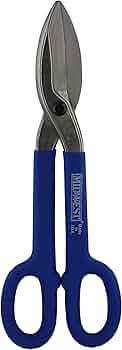
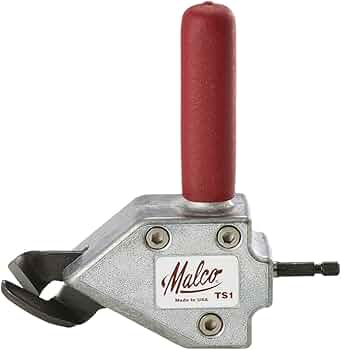
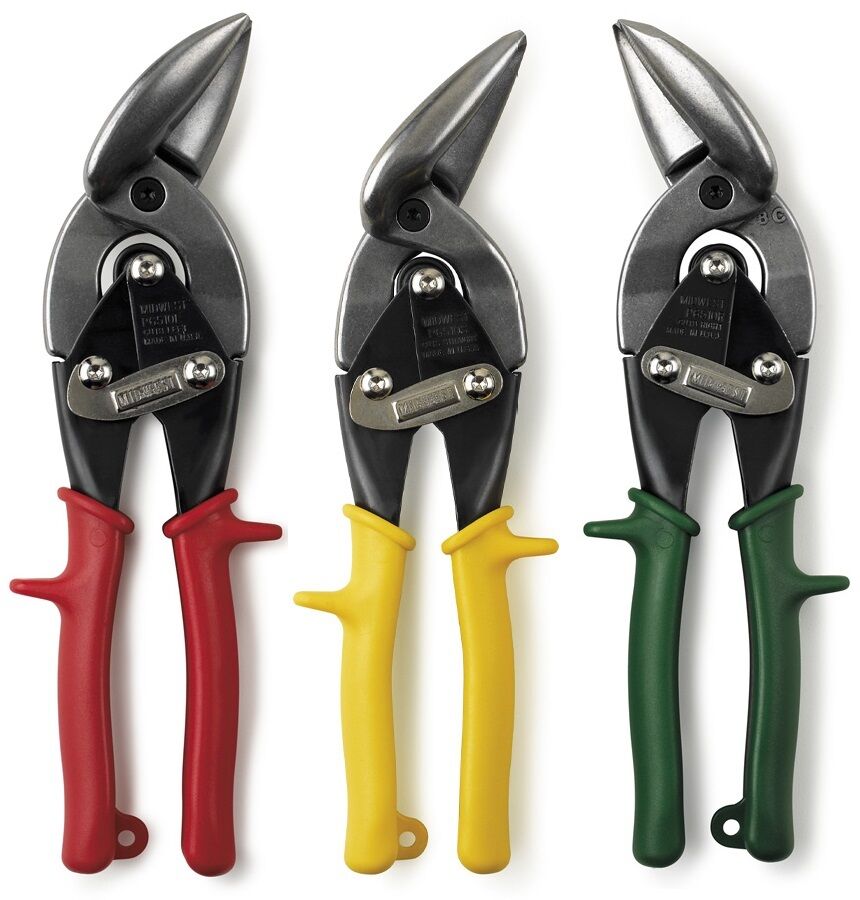
Midwest Tool and Cutlery has made snips in Sturgis, Michigan since 1945 and now has plants in Sturgis, Grand Rapids and Kalkaska, Michigan and Caledonia, Ohio. Every model of its aviation and tinner snips is made in those plants. Malco makes hand seamers, crimpers and TurboShear drill attachments in Annandale, Minnesota. Aspen Pumps Group bought Malco in 2024. Its product pages do not print a per-item origin, so read the package.
Greenlee makes some electrician's tools in the US, including the 745H-4 knockout punch, the 706 cable cutter and steel fish tapes. Its Site-Rite aluminum conduit benders come from China. Southwire of Carrollton, Georgia lists its building wire as made in America, but not its test meters.
When you compare pliers, close the jaws and hold them up to a light. The jaws should meet along their whole length, and the joint should pivot without side play. For live electrical work, buy insulated pliers rated to 1,000 volts under IEC 60900 or ASTM F1505. Ordinary dipped grips are for comfort and give no shock protection.
Forged hammers, axes and bars from Rockford, Lake Waccamaw and Wheeling
Estwing forges its all-steel hammers, rock picks, hatchets and axes in Rockford, Illinois, from American steel, and it has been there since 1923. Estwing's listings for those tools state US origin. The exception is its dead blow hammers, which are imported.
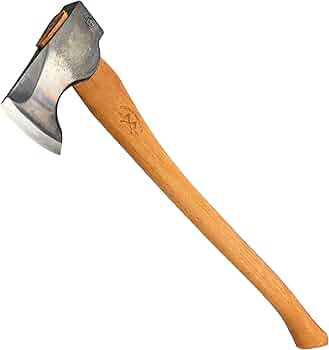
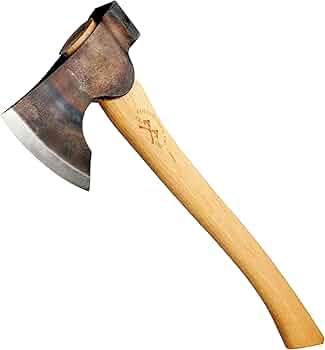
Council Tool forges, finishes and assembles its axes, hatchets, mauls and sledges in Lake Waccamaw, North Carolina. It buys its steel, wood and fiberglass from domestic sources and makes most of its own hickory handles. John Pickett Council founded the business in 1886, and the fourth and fifth generations of the family run it now.
Warwood Tool hand-forges axes, mattocks, bars, hammers and drift pins from American steel in Wheeling, West Virginia. Henry Warwood started the company in Martins Ferry, Ohio in 1854.
Hardcore Hammers, a family business founded in Shawnee, Kansas in 2010, makes hammers, hatchets and axes that it says are 100% made in the USA, with 4140 or high-carbon steel heads on American hickory. It became part of Occidental Leather in September 2025.
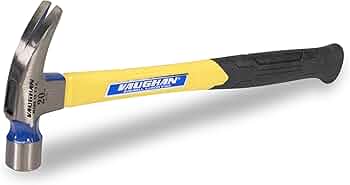
Vaughan hammers and pry bars, including the Steel Eagle, California Framer, SuperBar and Bear Claw, are labeled "Made in the USA with Global Materials." MARSHALLTOWN bought Vaughan in 2024 and does not say which plant makes the tools now.
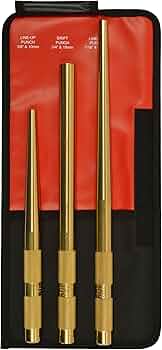
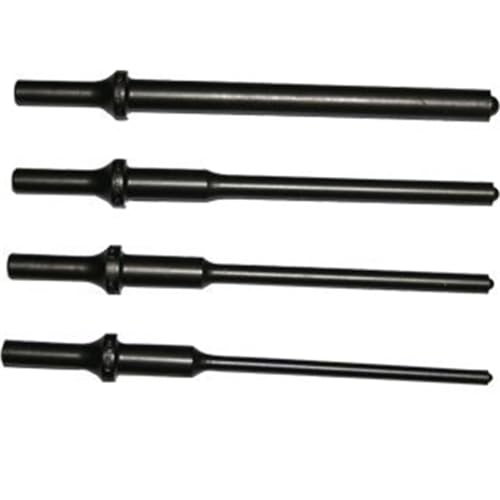
For punches, chisels and air-hammer bits, Ajax Tool Works runs its own forge, heat treating and CNC machining in Franklin Park, Illinois, where it has worked since 1946. Wilde Tool forges pliers, pry bars, punches and chisels in Hiawatha, Kansas. Mayhew Steel Products makes most of its punches and chisels at two Massachusetts plants and marks the country of origin on each product. TEKTON, in Grand Rapids, Michigan, makes about 12% of its lineup in the US, including its pry bars, punches, chisels and dead blow hammers, and it prints the country of origin in the specifications of every product page.
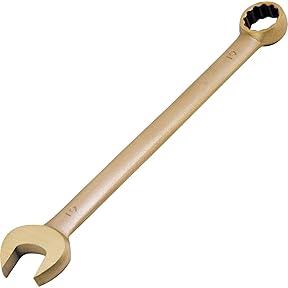
For hazardous areas, Ampco Safety Tools of Garland, Texas makes non-sparking hammers, axes and picks only in the USA and marks any other tool that is made elsewhere. ABC Hammers of Sarasota, Florida makes brass, bronze and dead blow hammers in the US, while its Stryker steel hammers come from South Africa.
Choose the handle for the work. A steel handle like Estwing's will not break or loosen. Hickory absorbs more shock and can be replaced when it cracks. Fiberglass sits between the two. On an axe, match the head weight and handle length to the job: a short handle and light head for camp splitting, a full-length handle and heavier head for felling.
Knives and multi-tools: who makes every model here and who mixes
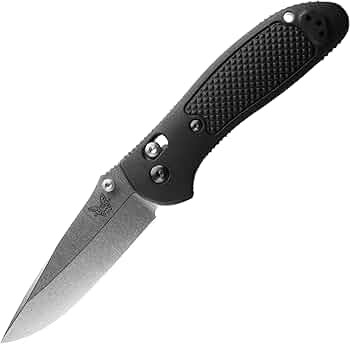
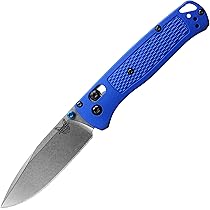
Some knife brands build their whole line in one American plant. Benchmade machines, finishes and hand-sharpens its knives in Oregon City, Oregon. Zero Tolerance says every ZT knife is built in Tualatin, Oregon, by Kai USA. Its product pages read "Designed & Manufactured in the USA with American and Global Materials" and name raw blade steel as imported.
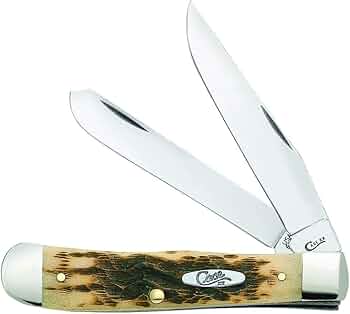
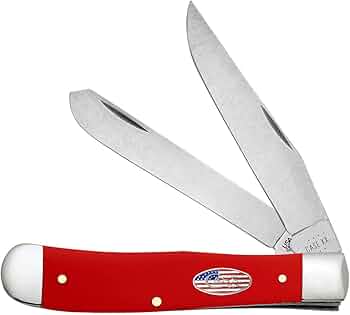
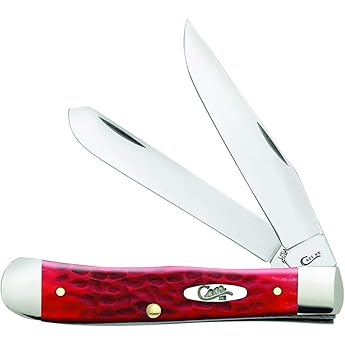
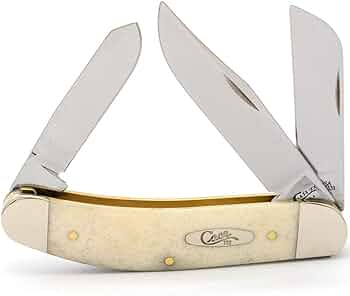
W.R. Case & Sons in Bradford, Pennsylvania says every Case knife since 1889 has been made in the United States. That covers the Trapper, Stockman, Sod Buster Jr, Peanut and Canoe patterns. Bone handles may be imported material: Case names Brazilian cattle bone among its sources.
Fixed-blade makers fill out this group. Knives of Alaska builds hunting knives in a former World War II parachute factory in Denison, Texas. Montana Knife Company moved into a 50,000-square-foot factory in Missoula, Montana in January 2026. TOPS Knives makes its fixed blades at a Rocky Mountain facility, with headquarters in Ucon, Idaho.
Other brands mix US and imported models, so the model number matters. Buck makes most of its knives in Post Falls, Idaho, where it moved in 2005, including the 110 Folding Hunter, 112 Ranger and 119 Special. The 371 Stockman and 379 Solo are imported, and many US-made Buck knives ship with an imported sheath. Buck prints an origin line on every product page.
Kershaw builds the Leek, Blur and Link in Tualatin from imported blade steel. Its other knives come from Japan and China. Spyderco makes the Para Military 2, Para 3, Native 5, Manix 2 and Shaman in Golden, Colorado, and sources other models from Japan, Taiwan, Italy and China. KA-BAR makes the USMC, Army and Mark I fixed blades in Olean, New York, in a plant it shares with Cutco. Its leather sheaths come from Mexico and the hard plastic sheaths from Taiwan, and 15 of its 19 folding knives list Taiwan as the country of origin. Bear & Son makes pocket knives in Jacksonville, Alabama, but a few Bear Edge models are imported.
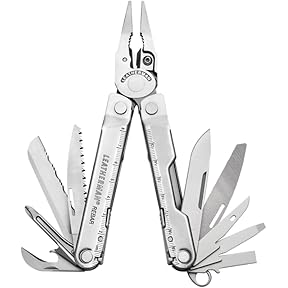
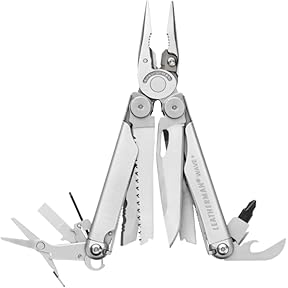
Leatherman has made its multi-tools at its own factory in Portland, Oregon since Tim Leatherman and Steve Berliner filled their first order in 1983. The company labels them "Made in America (USA & Global Parts)" and does not say which parts are imported.
Sockets and wrenches from Barberton, Milwaukee, Williamsport and Dallas
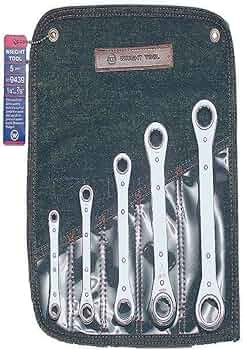
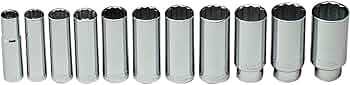
Wright Tool hot forges its wrenches, sockets, ratchets and attachments from its own alloy steel in Barberton, Ohio, where C. Nelson Wright founded it in 1927. It says over 99% of Wright-branded products are made in the USA and does not name the rest.
Snap-on was founded in Milwaukee in 1920 and says it runs 15 US plants. Its sockets, pliers and screwdrivers come from its own Milwaukee plant. It also owns Bahco, made mostly in Europe, and publishes no origin for its Blue-Point line.
SK Professional Tools makes sockets, ratchets and extensions in Williamsport, Pennsylvania, where it moved from Sycamore, Illinois in November 2021. Many other SK products, including some wrench sets, are imported. Proto, a Stanley Black & Decker brand, makes sockets, wrenches, drive tools and torque wrenches at its Dallas, Texas plant, which opened in 1986. Proto separates tools that are 100% US-made from those labeled "Made in USA with Global Materials," and it flags the difference product by product.
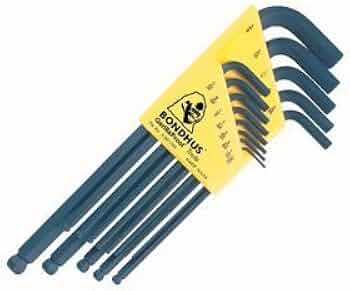
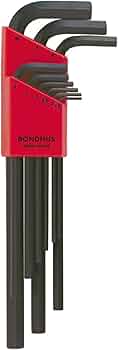
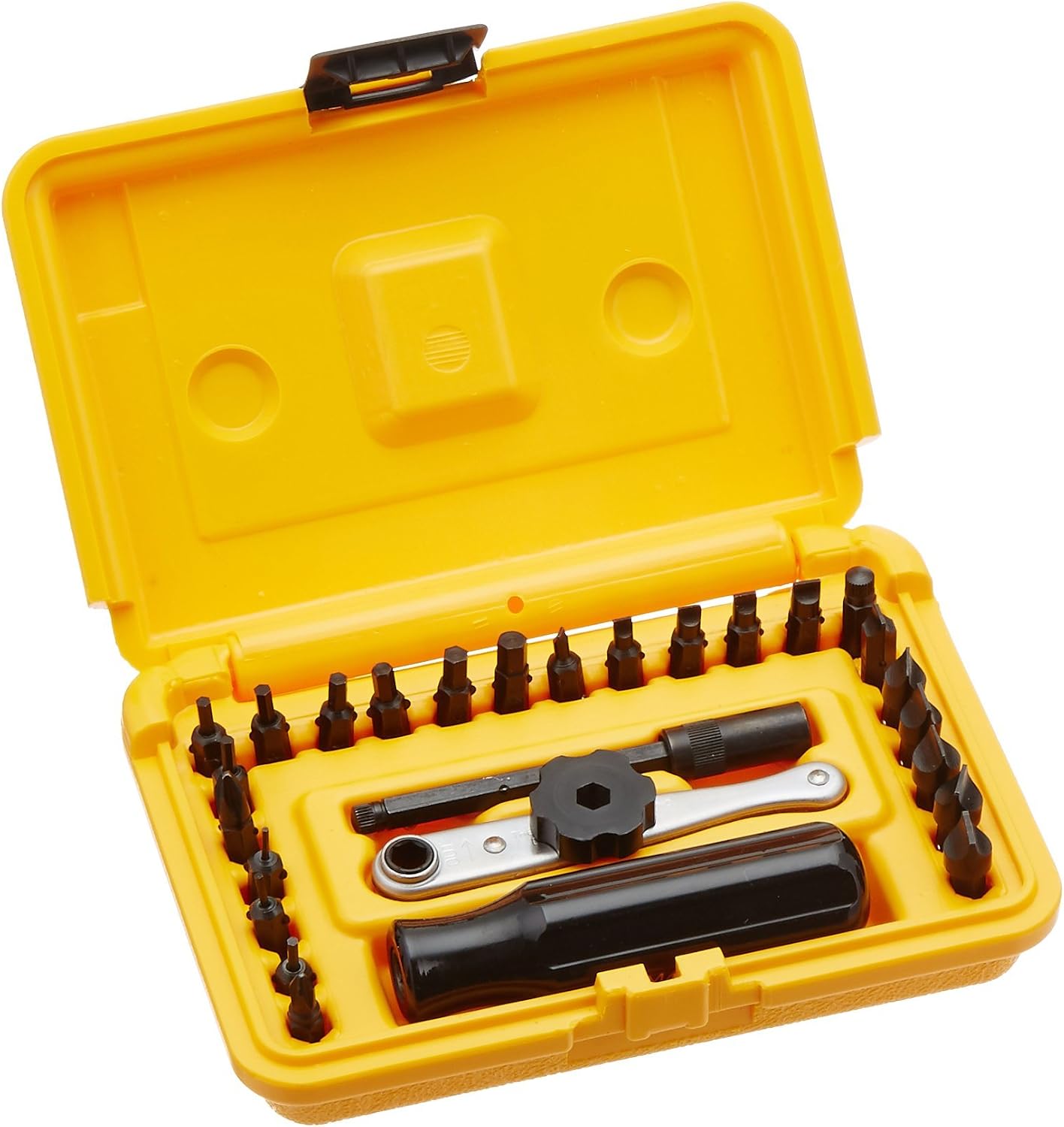
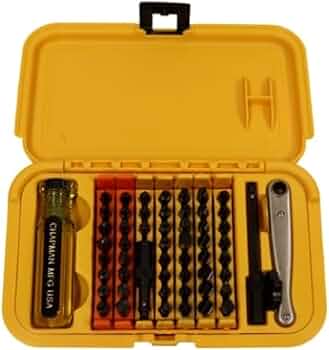
Bondhus makes hex L-wrenches, Balldriver ball-end tools, fold-up sets and T-handles at its plant in Monticello, Minnesota. Chapman Manufacturing makes small ratcheting screwdriver sets and insert bits in Ansonia, Connecticut.
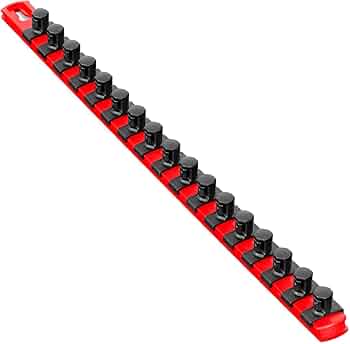
Ridgid makes pipe wrenches, press jaws and other pipe-trade tools on a 27-acre campus in Elyria, Ohio. It is part of Emerson, and not every Ridgid tool is US-made. Wilton says its Combo Pipe and Bench and Machinist bullet vises are made in the USA. Its Mechanics Pro and WS shop vises carry no such claim. Ernst Manufacturing makes socket rails and wrench organizers in Sandy, Oregon.
A 6-point socket grips the flats of a nut and is less likely to round a stuck or corroded fastener. A 12-point socket fits onto a nut at twice as many angles, which helps in tight spaces. Most mechanics keep 6-point sets for impact and breaker-bar work and 12-point sets for general use.
Squares, planes, saw blades and drill bits
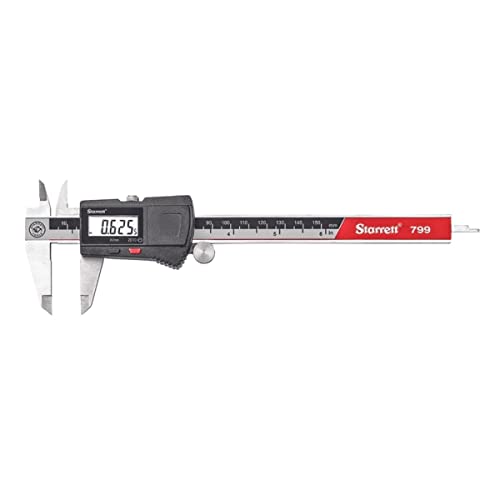
L.S. Starrett has made precision measuring tools in Athol, Massachusetts since 1880. Swanson Tool makes its Speed Square rafter squares in Frankfort, Illinois, but its combination squares carry no US origin statement, so buy the Speed Square if that matters to you. Woodpeckers machines squares, T-squares, the SF-PRO router table fence and Ultra-Shear router bits at its own plant in Strongsville, Ohio. INCRA labels its miter gauges, I-Box jig and router fences Made in USA. The company lists a Dallas, Texas address but does not name the factory city.
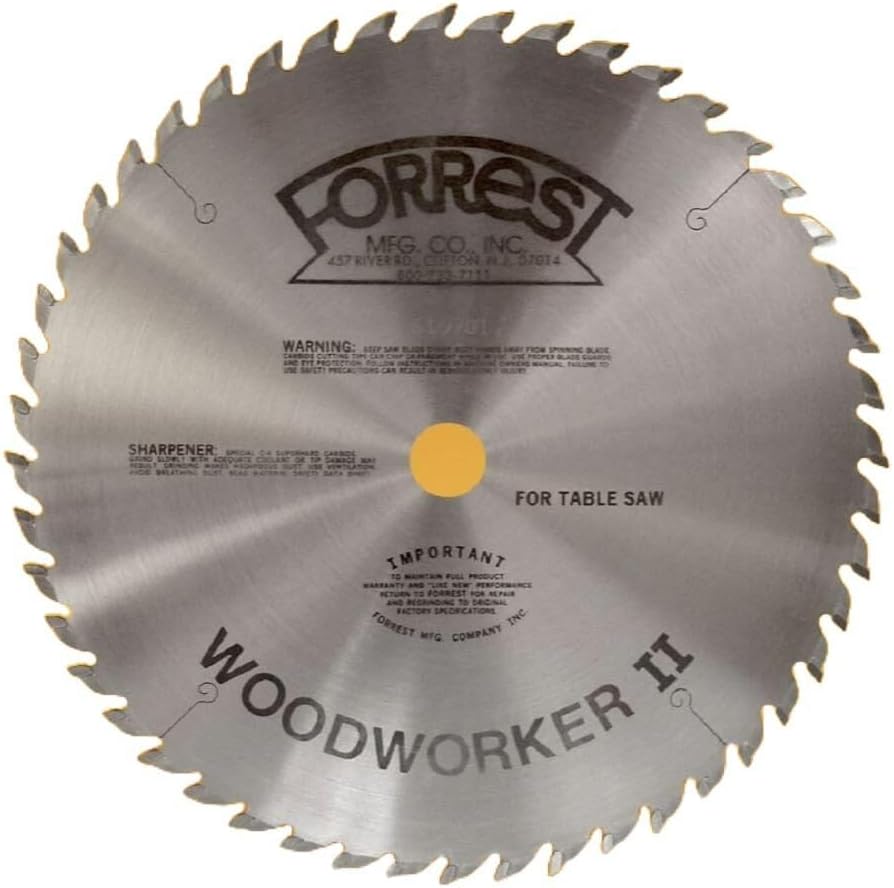
Lie-Nielsen Toolworks makes hand planes, saws, spokeshaves and chisels in Warren, Maine, from castings poured in New England foundries and wood from Maine sawyers. Forrest makes the Woodworker II, Chop Master and Duraline saw blades and its dado sets in the US. Sharp Tool of Hudson, Massachusetts bought Forrest in September 2025 and closed the New Jersey shop, so older references to Clifton, New Jersey describe the earlier operation.
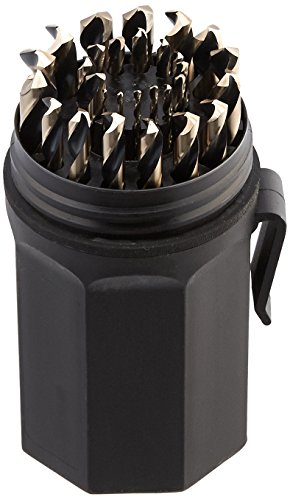
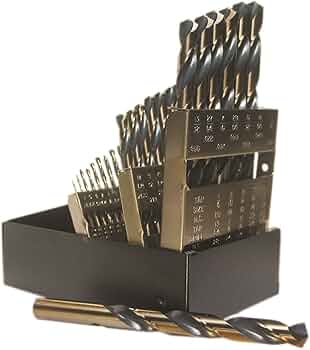
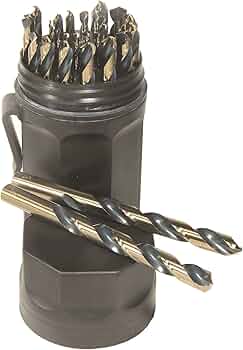
Norseman and Viking drill bits come from the same 74,000-square-foot plant in St. Paul, Minnesota, which has made cutting tools since 1951. Both say their bits are made in the USA from globally sourced steel. Big Gator Tools machines its drill and tap guides from US steel in Louisburg, Kansas and Drexel, Missouri.
U.S. Tape makes Spencer logger's tapes in Pennsburg, Pennsylvania. Its oil gauging tapes and tape measures are labeled "Made in USA with Global Components."
To check any square, draw a line along the blade from a straight board edge, flip the square over and draw again from the same point. If the two lines don't overlap, the square is out by half the gap.

Flashlights, lighters, tool belts, brushes and shop supplies
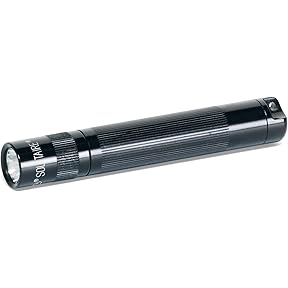
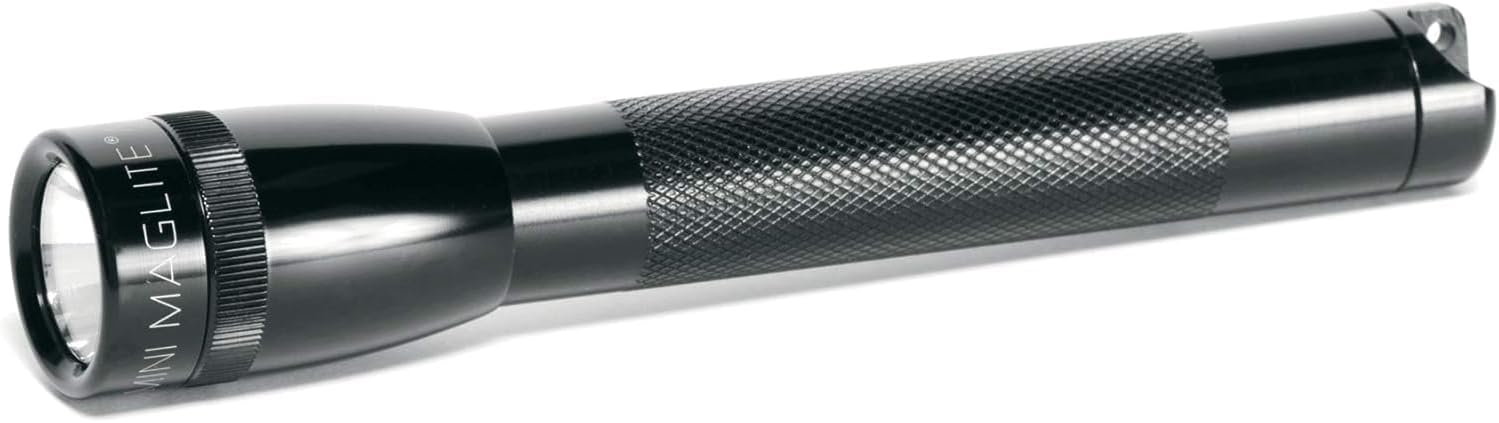
Mag Instrument assembles Maglite flashlights at its only factory, in Ontario, California, where it makes all the body parts and most other parts. It says some components are imported and notes foreign content on the package. Elzetta makes its Z-Line weapon lights, the Bones flashlight and its mounts in Kentucky. Its compact G-Line lights are imported from China, Taiwan or other countries.
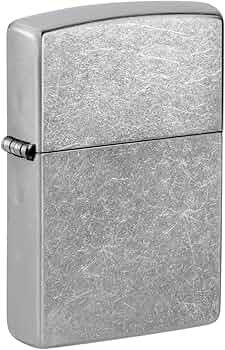
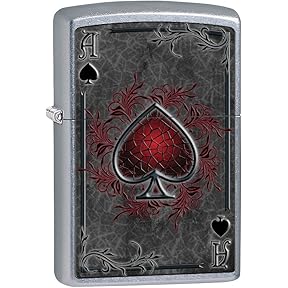
Zippo has made its windproof lighters in Bradford, Pennsylvania since 1932 and still bottles its lighter fluid there. Its butane and rechargeable inserts are made in China, so a classic Zippo case is US-made but a butane insert in it is not.
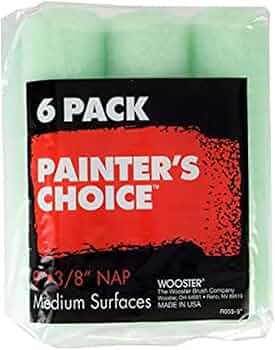
Occidental Leather cuts, stitches and rivets its tool belts, tool bags and suspenders in-house in Santa Rosa, California. One of its two moc-toe boots is made in Mexico. Purdy's product pages say its paint brushes are "Handcrafted in the USA with global materials," though the brand does not name the city. Wooster Brush makes paintbrushes and roller covers in Wooster, Ohio, where it began in 1851. "China bristle" in a Wooster brush name is a type of natural hog bristle, not the country of manufacture. Red Devil makes caulks and sealants at its plant in Pryor, Oklahoma.
American Torch Tip makes MIG contact tips, nozzles and guns in Bradenton, Florida, though its oxy-fuel and TIG parts name no plant. American Beauty Tools makes soldering irons in Troy, Michigan. Forney Industries marks some accessories Made in USA, but its welders and welding rod state no origin.
Akro-Mils makes plastic bins and drawer cabinets mostly in Ohio, at a plant in Wadsworth. Brimar makes safety signs and pipe markers in Garfield, New Jersey, and SignMission prints signs in West Palm Beach, Florida.
Big tool brands where the label decides
Several familiar names sell a mix, and the brand on the handle tells you nothing about where a given tool was made. Milwaukee Tool runs 15 US plants, and its Ergo-Grip USA screwdrivers are made in the USA from US-sourced materials, but much of its range is made in China, Mexico, Vietnam and Germany. Irwin, a Stanley Black & Decker brand headquartered in Huntersville, North Carolina, does not claim to make its Vise-Grip pliers, Marathon saws, Marples chisels or Speedbor bits in the US.
Nicholson, now owned by Apex Tool Group, lists its current files as made in Mexico and Brazil. GreatNeck still runs a plant in Mineola, New York but sources much of its range worldwide, and it states US origin only for certain blades and chisels. Ames True Temper closed its Harrisburg and Camp Hill-area Pennsylvania plants in 2023 and moved wheelbarrow production to China.
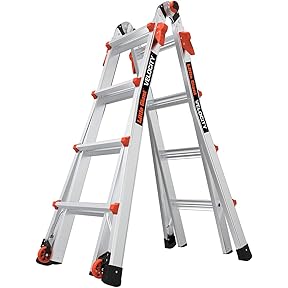
Ladders split the same way. Louisville Ladder is run from Louisville, Kentucky, and its Mexican parent, Grupo Cuprum, lists its ladder plants in Mexico and Canada. Little Giant Ladder Systems has a Made in the USA collection, but only some models are in it.

Browse All Tools & Hardware Products
See all 545 verified American-made tools & hardware products in our catalog.
Frequently Asked Questions
Are Channellock pliers made in the USA?
Most are. Channellock makes its pliers at its plant in Meadville, Pennsylvania, and says all of its snips, non-locking pliers, professional drivers, pry bars and ratcheting wrenches are made in the USA. That covers its tongue and groove, lineman's, long nose, diagonal cutting and slip joint pliers. Locking pliers, levels and socket sets are not on that list, and Channellock says a select number of its products are imported. Check the package of the exact tool if you need it to be US-made.
Which knife brands make every knife in the USA?
Benchmade (Oregon City, Oregon), Zero Tolerance (Tualatin, Oregon), W.R. Case & Sons (Bradford, Pennsylvania), Knives of Alaska (Denison, Texas), Montana Knife Company (Missoula, Montana) and TOPS Knives (a Rocky Mountain facility, with headquarters in Ucon, Idaho) make their knives in the US. Zero Tolerance says some blade steel is imported, and Case uses some imported bone for handles. Buck, Kershaw, Spyderco, KA-BAR and Bear & Son make many knives in the US but also sell imported models, so check the origin line for the exact model.
Where are Snap-on and Wright Tool wrenches made?
Wright Tool hot forges its wrenches, sockets and ratchets in Barberton, Ohio, and says over 99% of Wright-branded products are made in the USA. Snap-on makes its sockets, pliers and screwdrivers at its own plant in Milwaukee, Wisconsin, and says it runs 15 US manufacturing facilities. Snap-on also owns Bahco, which is made mostly in Europe, and publishes no origin for its Blue-Point line, so the US claim is for Snap-on-branded hand tools.
What does "Made in USA with global materials" mean on a tool?
It means the tool was made in an American plant from some materials that came from abroad. Under the FTC's rule, a plain "Made in USA" label requires all or virtually all of the product to be domestic, so brands with imported steel or parts use a qualified label instead. Vaughan, Norseman, Viking, Zero Tolerance and Purdy use this kind of wording. Often the imported part is raw steel or bristle, and the forging, machining and assembly happen in the US.