Best American-Made Toys & Games
Wooden blocks, molded ride-ons, putty, puzzles and lawn games from makers that name the American town where they are made.
Quick Answer
Crazy Aaron's makes Thinking Putty in Norristown, Pennsylvania, WIFFLE balls are molded in Shelton, Connecticut, Little Tikes molds its Cozy Coupe ride-ons in Hudson, Ohio, and Uncle Goose makes its wooden alphabet blocks in Grand Rapids, Michigan.
Last updated: October 2026
Made in USA Toys & Games: by the numbers
- 262 verified American-made toys & games products from 53 U.S. brands in the catalog, each checked against its factory location and its own statements.
- Top manufacturing states for these brands: Pennsylvania (7 brands), Michigan (4 brands), New York (4 brands).
- U.S. manufacturing employed 12.6 million Americans as of May 2026 (U.S. Bureau of Labor Statistics), and 70% of consumers say buying American-made is at least somewhat important to them (DuraPlas survey, Feb 2025).
Catalog figures recompute at every site build. More data and sources on our American manufacturing statistics page.
Quick Comparison
| Product | Brand | Link |
|---|---|---|
| Carrom Champion Nok Hockey Game (Large) | Carrom Company | Shop Now |
| Carrom Board Game Set — Over 85 Board Games in One | Carrom Company | Shop Now |
| Holgate Toys Pound and Tap Bench Classic Wooden Toy | Holgate Toys | Shop Now |
| Greenleaf Willowcrest Victorian Dollhouse Kit | Greenleaf Dollhouses | Shop Now |
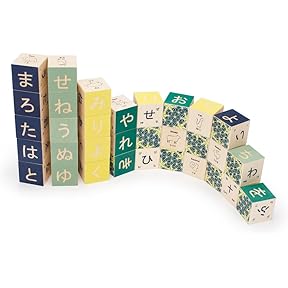
| Uncle Goose Baby Blocks | Uncle Goose | Shop Now |
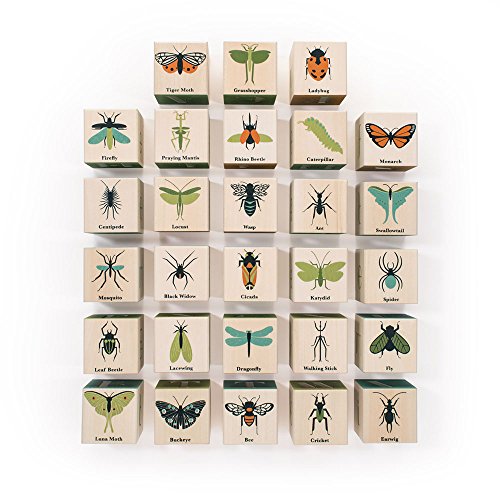
| Uncle Goose Bug Blocks Made in the USA | Uncle Goose | Shop Now |
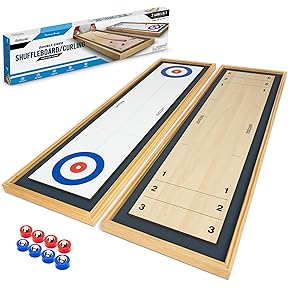
| Carrom Classic Shuffleboard Game | Carrom | Shop Now |
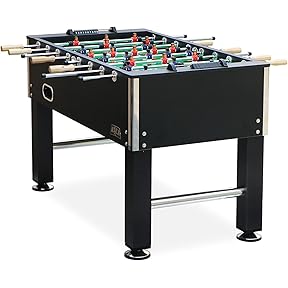
| Carrom Burr Oak Foosball Table | Carrom | Shop Now |
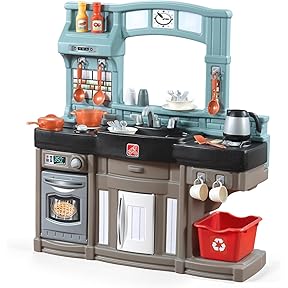
| Step2 Timeless Trends Kids Kitchen Playset | Step2 | Shop Now |
| Step2 LifeStyle Custom Kitchen Playset, Tan | Step2 | Shop Now |
Wooden toys from Grand Rapids, Middlebury, Bradford and Kirkwood
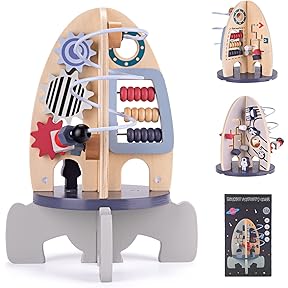
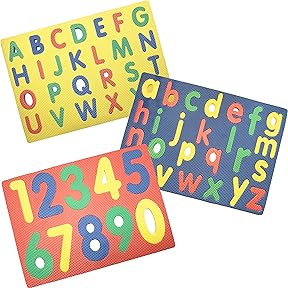
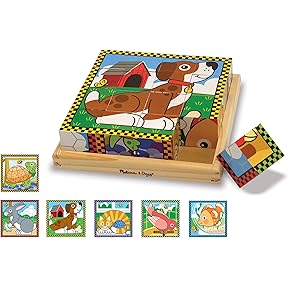
Wooden toys are where US manufacture is easiest to find, because small shops can still make them by hand. Uncle Goose has made alphabet, language and Braille blocks in Grand Rapids, Michigan since 1983, from Great Lakes basswood, and says its wood, ink and packaging are all US-made. Maple Landmark makes NameTrains, name puzzles and letter blocks at its shop in Middlebury, Vermont, mostly from maple bought from Vermont mills. Holgate makes the Pound and Tap Bench and other push and pull toys in Bradford, Pennsylvania.
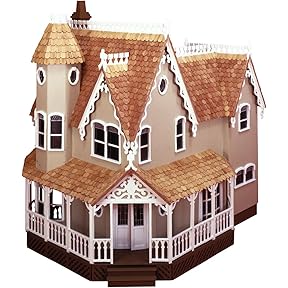
Whittle Shortline Railroad makes wooden trains modeled on real North American railroads, BNSF, CSX and VIA Rail among them, in a factory in Kirkwood, Missouri, about three miles from the garage where it started in 1996. TAG Toys makes wooden learning toys and children's tables at its plant in Compton, California. Greenleaf makes 1:12 scale wooden dollhouse kits in Schenevus, New York, where the company began in a cow barn in 1947; its store also resells other brands' accessories.
KEVA maple planks are cut in Bridgewater, Virginia. The pine KEVA sets come from a partner and are not covered by the same claim. Tumi Ishi shapes wooden balancing blocks by hand from native hardwoods in St. Charles, Missouri.
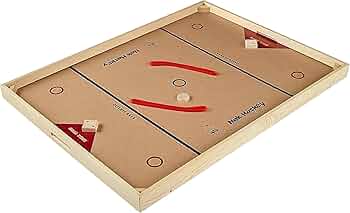
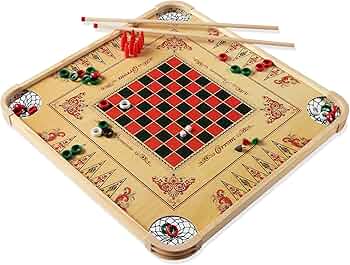
For family games, the Carrom Company says its Carrom boards, Nok Hockey, shuffleboard and table games are handcrafted in Michigan, and it dates to 1889. Channel Craft makes wooden tabletop and skill games in Charleroi, Pennsylvania, in an old Army Corps of Engineers building on the Monongahela River, and also sells some games from other US makers. Creative Crafthouse makes wooden brain teasers, peg games and cribbage boards in Hudson, Florida.
For babies and toddlers, choose solid hardwood or basswood with water-based or no finish, and follow the age grade on the package, since small parts are a choking risk for children under three.
Ride-ons, play kitchens and sand tables molded in Ohio and Kentucky
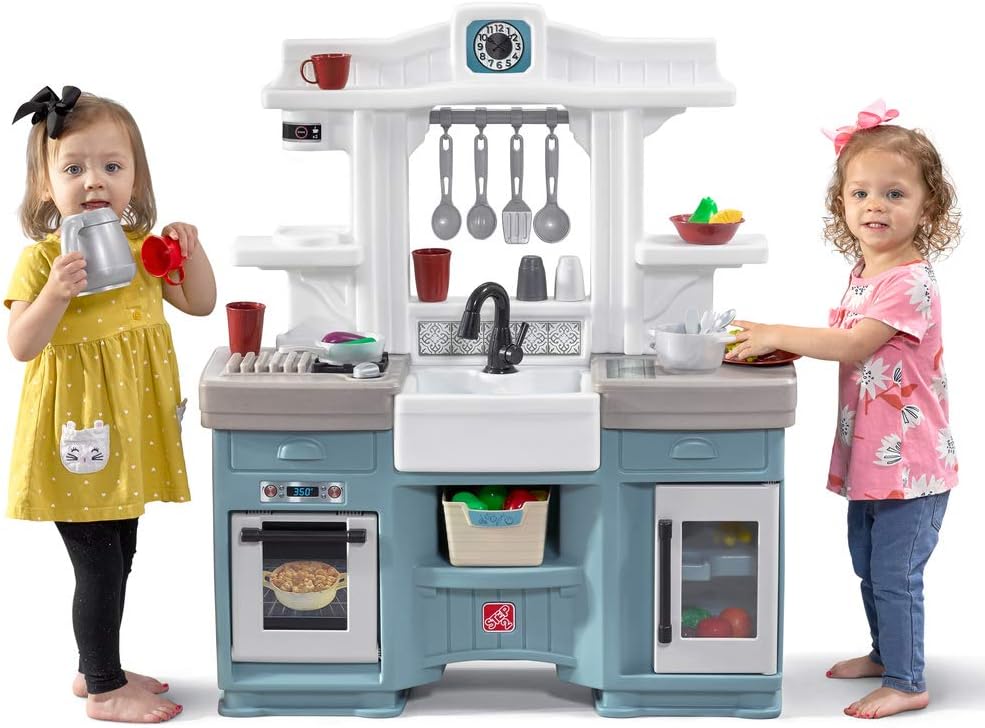
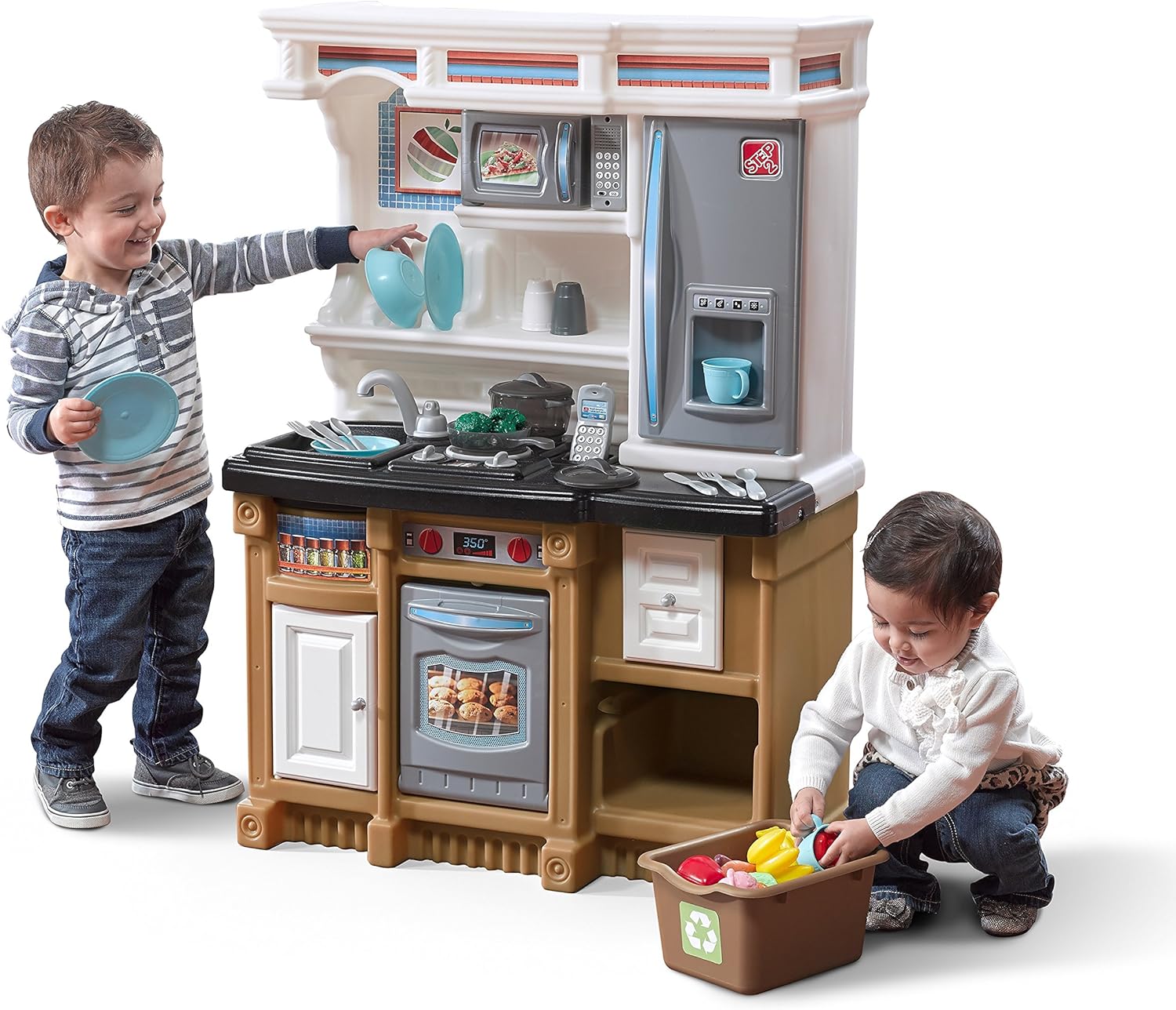
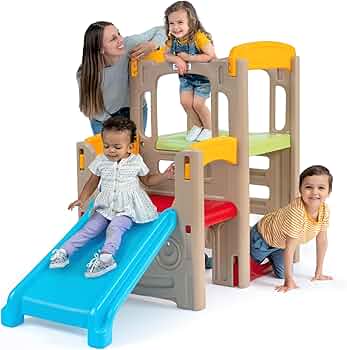
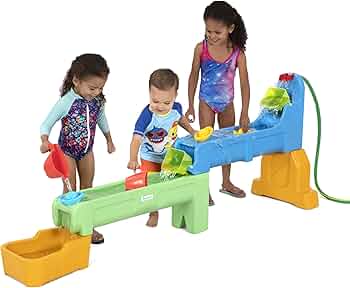
Big plastic toys are bulky to ship, which is one reason a few makers still mold them here. Little Tikes molds its Cozy Coupe ride-ons, playhouses, slides, climbers and sandboxes in Hudson, Ohio, but many of its smaller toys, especially those with electronics, are made in Asia. Step2 rotationally molds most of its play kitchens, wagons and sand tables at two plants in Streetsboro and Perrysville, Ohio. Its pages read made in USA of US and imported parts, and it imports some products it does not name. Simplay3, founded in 2016 by Tom Murdough, who earlier founded both Little Tikes and Step2, makes climbers, slides and water tables in Streetsboro.
American Plastic Toys says every toy in its catalog is molded and assembled in Kentucky, including its play kitchens, slides, riding toys and sand pails. Less than four percent of its toy value is imported, mostly sound parts and fasteners.
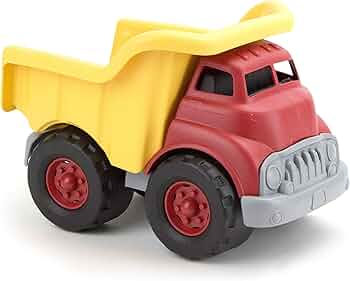
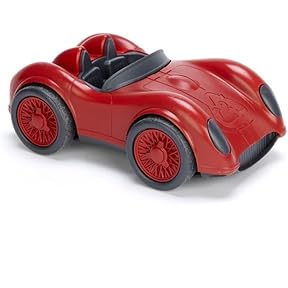
Green Toys makes trucks, tea sets and play sets from 100% recycled plastic. Most of its toys say manufactured in the USA, but the company now also produces some abroad, so look for that line on the box.
Peg Perego, an Italian family company, builds about 99 percent of the ride-on vehicles it sells in the US, including its John Deere tractors and Polaris RZR, at its Fort Wayne, Indiana factory from domestic and imported parts. Its strollers, car seats and high chairs are described as Italian-made.
Rotationally molded toys are hollow with thick, even walls, which makes them suit outdoor use. Check that a ride-on or climber is rated for your child's weight and age, and store it out of direct sun to slow fading.
Putty in Norristown, crayons in Easton and Hestand
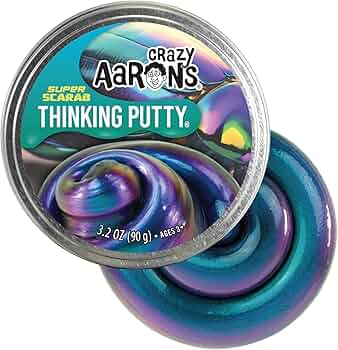
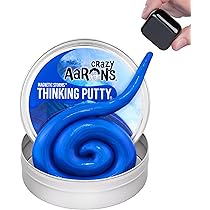
Crazy Aaron's makes Thinking Putty in its own factory in Norristown, Pennsylvania, which founder Aaron Muderick built after starting the company in 1998. The origin line reads made in the USA from materials sourced around the world. The Dutch toy maker Goliath bought the company in January 2026 and says the products are made in Norristown. Its newer Wonder Falls sensory tubes and Pinchies games carry no origin statement. Land of Dough play dough comes from the same Norristown factory.
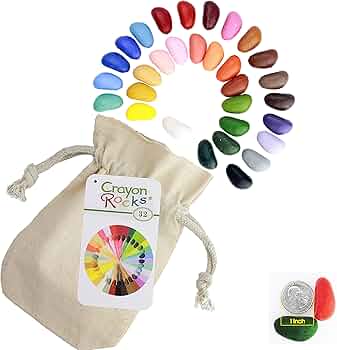
Crayola has made crayons in Easton, Pennsylvania since 1903. Its markers, Model Magic and kits are not covered by that, so read the package. Crayon Rocks makes small rock-shaped crayons from US-grown soy wax in a workshop in Hestand, Kentucky. The shape pushes young children toward the tripod grip used for writing.
Several craft-kit brands do not say where their kits are made. ALEX, of New Jersey, publishes no country of origin for its craft kits and bath crayons. Creativity for Kids, a Faber-Castell brand in Cleveland, does not say either. Lauri's crepe rubber puzzles came from a plant in Smethport, Pennsylvania that closed in 2014, and no current Lauri page says where they are made now.
Building sets, model kits, rockets and science toys
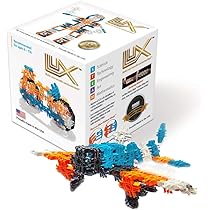
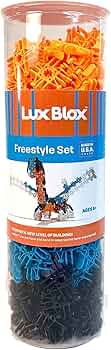
K'NEX rods and connectors are molded in Hatfield, Pennsylvania. The brand is owned by Basic Fun, and the motors, wheels and cases in some sets carry no US origin claim. Lux Blox, a family company in Galesburg, Illinois, says its flexible snap-together building pieces are made in the USA from ABS plastic.
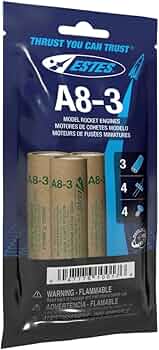
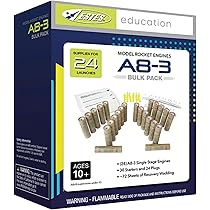
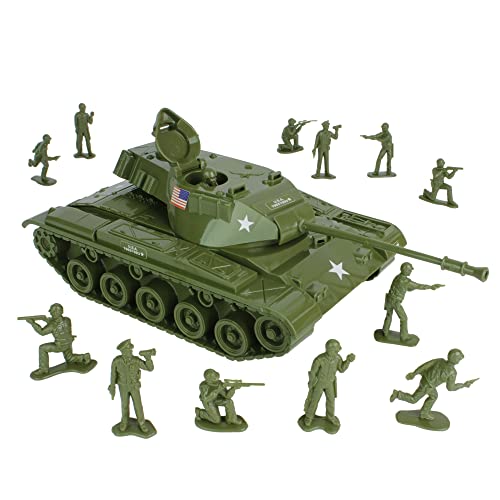
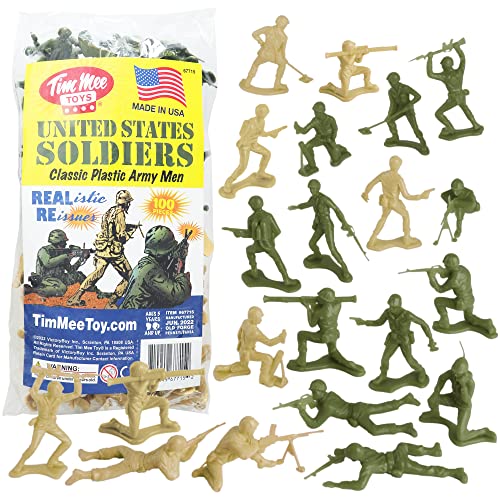
For older builders, Atlantis Models makes plastic model kits in Deer Park, New York, many from original 1950s Revell, Monogram and Aurora tooling; its web store also resells imported brands. Paul K. Guillow, Inc. has made balsa gliders such as the Jetfire and balsa airplane kits in Wakefield, Massachusetts since 1926. Estes makes model rocket engines and sells kits from its site in Penrose, Colorado, where Vern Estes moved the company in 1961. Tim Mee plastic army men and tanks are reissued from the original molds by a Scranton, Pennsylvania company using US molding partners it does not name.
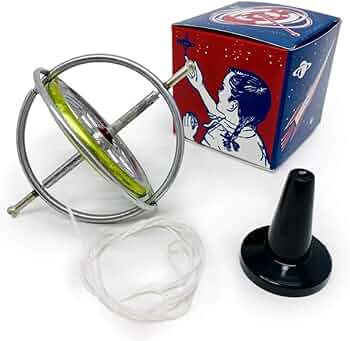
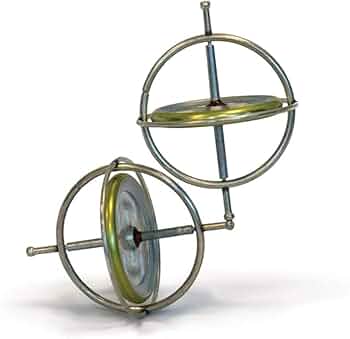
TEDCO, of Hagerstown, Indiana, makes its classic gyroscopes and solar science toys in the USA and groups them in a Made in America collection; check that the item you want is in it.
Some well-known science brands do not say where they make their kits: Elenco, which sells Snap Circuits; Steve Spangler Science; and TickleMe Plant, which sells sensitive-plant grow kits. American Educational Products no longer has a working website, and we found no current source showing its kits are US-made.
WIFFLE balls in Shelton, lawn games, plush and globes
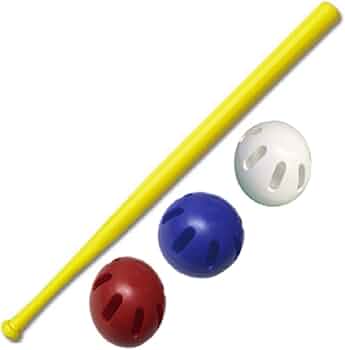
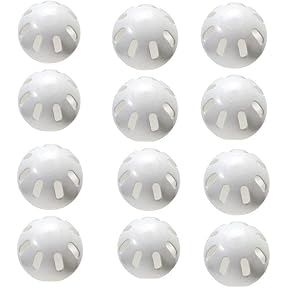
The WIFFLE ball was invented in Fairfield, Connecticut in 1953, and the Mullany family moved production to Shelton in 1959. The balls and bats are still molded there. The company is passing from the Mullany family to the Rose family, and its FAQ says WIFFLE will continue to be made in Shelton.
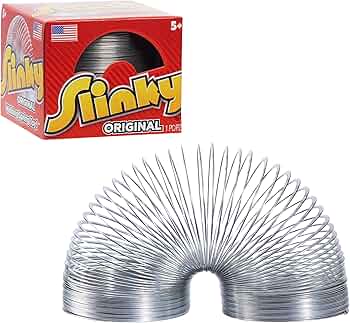
Slinky dates to 1945, when naval engineer Richard James found that a coiled spring could walk end over end. Most current Slinky packages, metal and plastic, say made in USA, but the brand's owner, Just Play, names no factory, and a few Slinky listings carry no origin line. Buy the one that prints made in USA on the box.
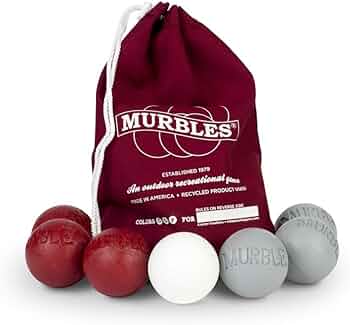
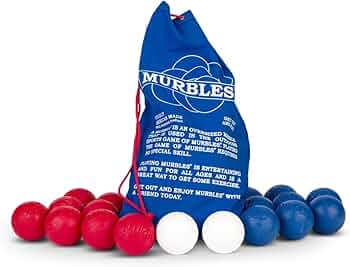
Murbles, a bocce-style lawn game from Pensacola, Florida, uses half-pound plastic balls made in the USA, factory not named. Wham-O labels its 110 gram DDC Frisbee and 75th Anniversary Frisbee made in USA; its other discs carry no origin statement. Aerobie, now a Spin Master brand, makes no US claim.
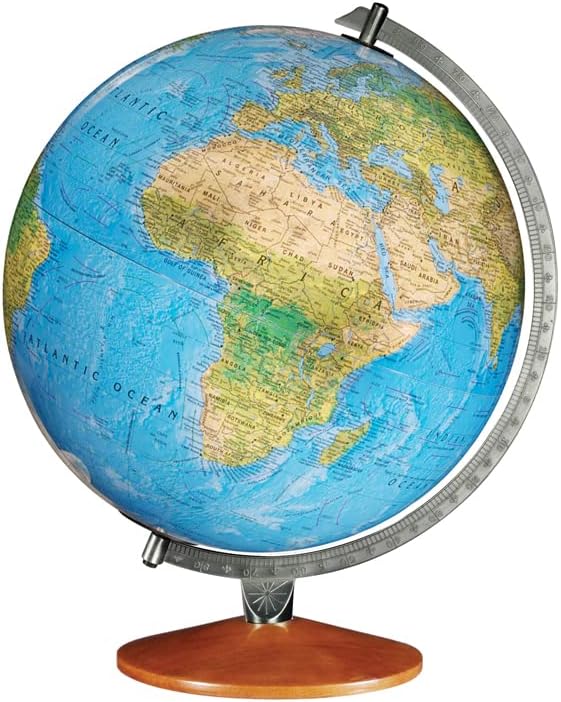
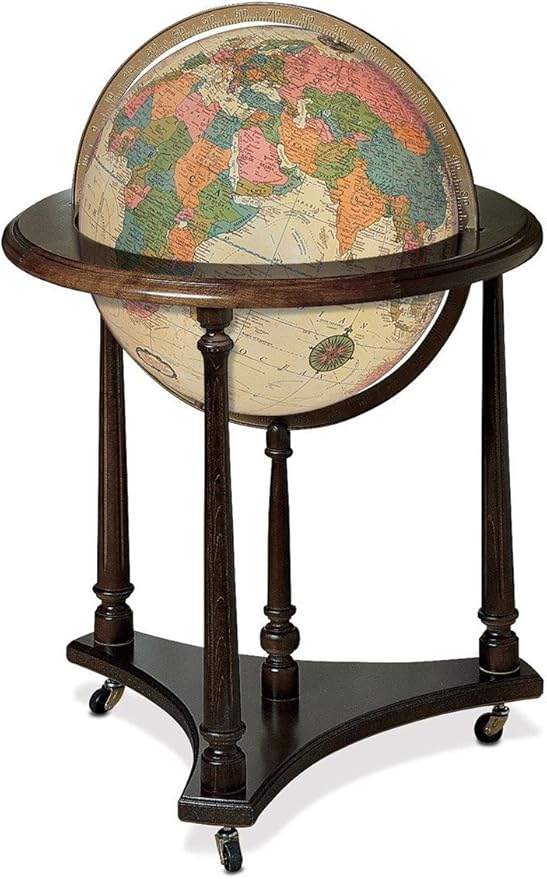
Vermont Teddy Bear hand-makes its classic bears in Shelburne, Vermont, but its hybrid and Buddy lines are cut and sewn in China. Look for the classic line if US manufacture matters. Replogle hand-makes world globes at a 55,000 square foot plant in Hillside, Illinois, outside Chicago, and says 99 percent of its globes are made in America.
Jigsaw puzzles, playing cards and board games
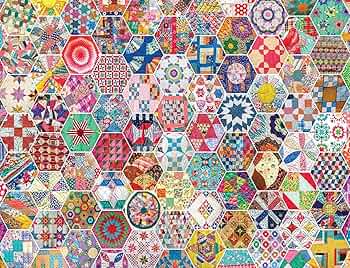
Puzzles are a strong US category. Springbok says all its puzzles are made in America except its Larsen-branded children's puzzles, which come from an overseas partner; it lists a Kansas City, Missouri address and uses recycled chipboard. Buffalo Games makes jigsaw puzzles at its plant in Buffalo, New York, though its FAQ says some production has moved to China. White Mountain Puzzles designs its puzzles in Jackson, New Hampshire and has them made by US partners; its 1000-piece puzzles finish at about 24 by 30 inches. Boardwalk opened its own plant in Utah in 2022 and makes most of its puzzles there from domestic and imported materials.
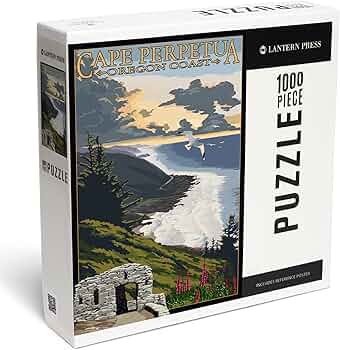
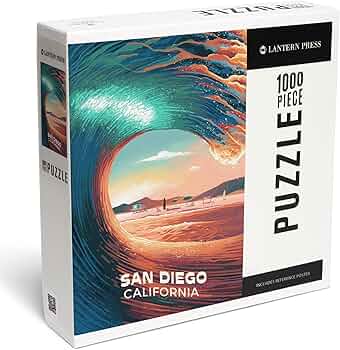
Wimberley Puzzle Company prints and laser-cuts wooden puzzles in-house in Wimberley, Texas, from founder JB Manning's landscape photographs. Lantern Press prints its 1,000-piece puzzles, stickers and art prints at its Seattle headquarters; its totes and tea towels are printed in the US on blanks of unstated origin. Cobble Hill is a Canadian company from Victoria, British Columbia whose listings say its puzzles are made in the US, though it names no factory. MasterPieces of Arizona labels some puzzles made in the USA on blue board, and much of its range carries no origin statement. Ceaco, based in Massachusetts, lists Made In: U.S.A. on many puzzles, including Thomas Kinkade titles, but not all.
The United States Playing Card Company prints Bicycle, Bee, Hoyle and Aviator cards at its plant in Erlanger, Kentucky, outside Cincinnati. U.S. Games Systems of Stamford, Connecticut is a publisher, and its own site says its Rider-Waite tarot decks are printed in Italy and China.
For board games, origin is spotty. Lucy Hammett picture bingo games state made in the USA on each game page. Patch Products, now PlayMonster, has a manufacturing site in Beloit, Wisconsin but does not say which games are made there. WS Game Company confirms US manufacture only for its Monopoly Americana edition, not its Scrabble or Sorry! bookshelf editions. Pressman, owned by Goliath since 2014, does not say where Rummikub or Mastermind are made.
A puzzle's blue board or chipboard thickness and a snug fit between pieces matter more than piece count. Puzzles with a random cut are harder than ribbon-cut grids.

Browse All Toys & Games Products
See all 262 verified American-made toys & games products in our catalog.
Frequently Asked Questions
Are Little Tikes and Step2 toys made in the USA?
The big molded ones mostly are. Little Tikes molds its Cozy Coupe, playhouses, slides and climbers in Hudson, Ohio, but many smaller Little Tikes toys, especially those with electronics, are made in Asia. Step2 makes most of its kitchens, wagons and sand tables at plants in Streetsboro and Perrysville, Ohio, using US and imported parts, and imports some products. Check the box for a made in USA line before you buy.
Is Crazy Aaron's Thinking Putty still made in the USA after the sale?
Yes. Goliath, a Dutch toy company, bought Crazy Aaron's in January 2026, and its announcement says the products are made in Norristown, Pennsylvania. The putty's origin line reads made in the USA from materials sourced around the world, so some raw materials are imported. Thinking Putty tins, the Crazy Creator Kit and Slime Charmers carry that line. The newer Wonder Falls sensory tubes and Pinchies games do not state an origin.
Are Green Toys made from recycled plastic in the USA?
Green Toys makes its trucks, tea sets and play sets from 100% recycled plastic, and most of its toys say manufactured in the USA. The company now also produces some toys abroad, so the made-in-USA line is no longer universal across the range. Read the box for the origin statement on the specific toy. If you want a molded toy with a stated Kentucky origin, American Plastic Toys says every toy in its catalog is molded and assembled there.
Where are WIFFLE balls made?
In Shelton, Connecticut. The ball was invented in nearby Fairfield in 1953, and the Mullany family moved production to Shelton in 1959. The balls and bats are both made there. The company is changing hands from the Mullany family to the Rose family, and its FAQ says WIFFLE will continue to be made in Shelton and that the original ball and bat are not changing.
Which jigsaw puzzle brands are made in the USA?
Springbok makes all its puzzles in America except its Larsen children's line. White Mountain Puzzles has every puzzle made in America by US partners. Wimberley Puzzle Company makes wooden puzzles in-house in Wimberley, Texas, and Lantern Press prints its 1,000-piece puzzles in Seattle. Buffalo Games and Boardwalk make most of their puzzles in New York and Utah respectively, but not all, so check the box.