Best American-Made Hand Tools: Pliers, Hammers & Multi-Tools
Pliers forged in Pennsylvania, hammers from Illinois, and multi-tools from Oregon — American hand tools built for real work and real durability.
Quick Answer
The best American-made hand tools include Channellock pliers from Meadville, Pennsylvania (since 1886), Estwing one-piece forged hammers from Rockford, Illinois, and Wright Tool professional wrenches from Barberton, Ohio.
Last updated: April 2026
Made in USA Tools & Hardware: by the numbers
- 604 verified American-made tools & hardware products from 98 U.S. brands in our catalog, each checked against factory locations and manufacturer statements.
- Top manufacturing states for these brands: Pennsylvania (11 brands), Illinois (7 brands), Ohio (6 brands).
- U.S. manufacturing employed 12.6 million Americans as of May 2026 (U.S. Bureau of Labor Statistics), and 70% of consumers say buying American-made matters to them (DuraPlas survey, Feb 2025).
Catalog figures recompute at every site build. More data and sources on our American manufacturing statistics page.
Quick Comparison
Why American-Made Hand Tools Matter
Hand tools are the foundation of any workshop or toolbox. Unlike power tools that become obsolete when manufacturers discontinue parts and batteries, quality hand tools are timeless — a hammer or set of pliers bought today can be passed down through generations. American hand tool manufacturers have refined their craft over a century or more, which matters practically when you're standing in a hardware store deciding between options.
American-made hand tools differ from imported alternatives in several concrete ways. Domestic manufacturers typically use higher-grade steel with tighter heat-treating specifications, which means less play developing in joints after thousands of uses. Labor cost is higher, so American makers compensate by optimizing the manufacturing process itself — less waste, more precision, fewer failures. And critically, when something breaks, American manufacturers are still in business five years later with replacement parts available. Many imported tools have a lifespan measured by the number of years the importer bothers to stock replacement components.
The brands covered in this guide have been operating in the same locations for 80 to 150 years. They're not aspirational American-made claims or brands that recently moved production back onshore. These are companies whose reputations were built on tools that work, and whose survival has depended on maintaining that standard. That history has real weight when you're choosing between a $15 plier from an online marketplace and a $40 plier that will outlast your workshop.
Best Pliers: Channellock vs Klein Tools
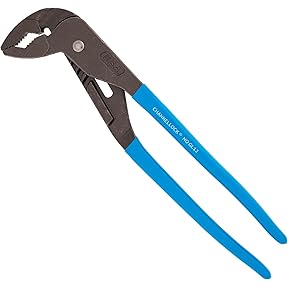
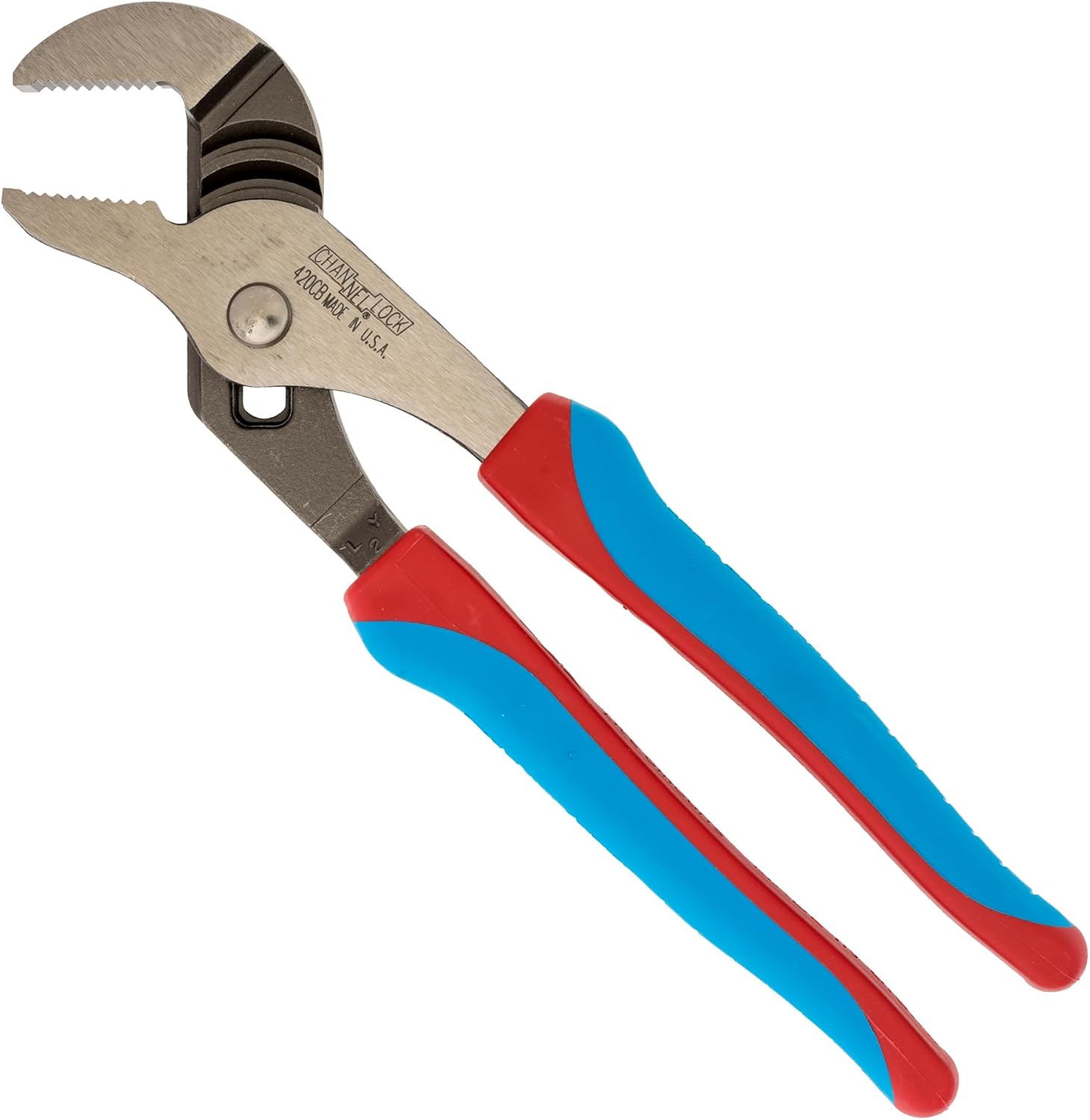
Channellock has manufactured pliers in Meadville, Pennsylvania since 1886 — 138 years of plier-making in the same location. The brand name has become so synonymous with tongue-and-groove pliers that many professionals use "channellock" as a generic term regardless of the actual brand they're holding. This degree of market penetration is rare and reflects genuine engineering superiority: Channellock pliers haven't failed because Channellock pliers work better.
The manufacturing process is notable: Channellock stamps, machines, and assembles each pair in Meadville using steel bar stock sourced domestically. The blue Permalock grips are proprietary to the brand — a material that provides traction without the texture of rubber or the cold-in-winter feel of bare metal. A homeowner equipped with three Channellock pliers — 10-inch tongue-and-groove, needle-nose, and diagonal-cutting — covers the majority of household plumbing, electrical, and mechanical repair tasks.
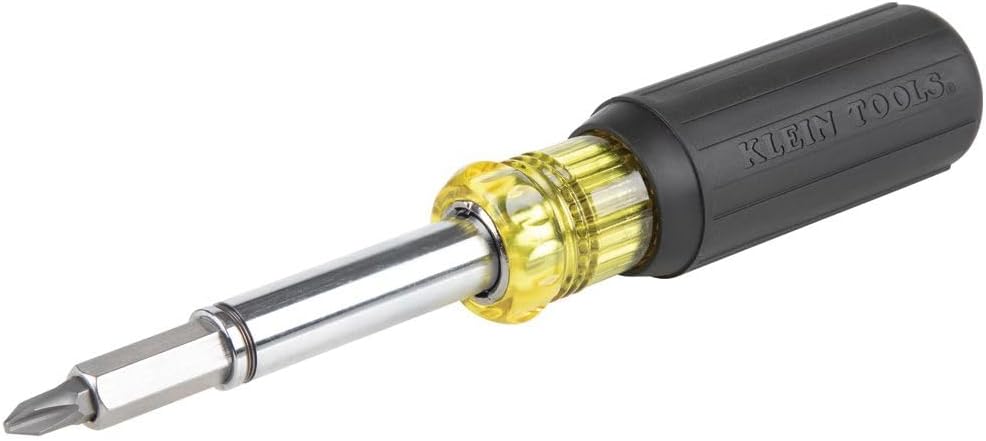
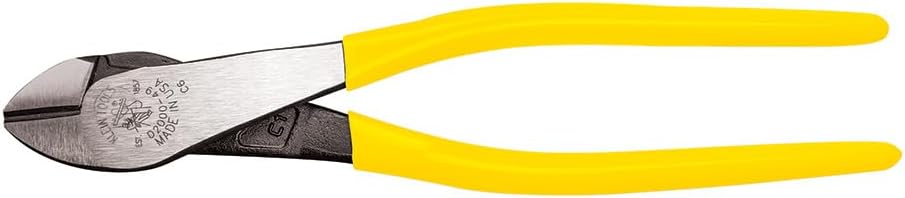
Klein Tools has made electrical hand tools in the Chicago area since 1857. While manufacturing is now distributed across several US facilities, Klein maintains production in the United States and the company's specialization in electrical tools gives them an edge in that category. Klein lineman's pliers, wire strippers, and screwdrivers are professional-grade specifications that have become standard issue for electricians and telecommunications workers throughout North America. Klein's lineman's pliers are heavier and more robustly engineered than Channellock's general-purpose designs, which matters if your primary use is cutting or bending heavy gauge wire.
For homeowners: buy Channellock. Two or three pairs from Channellock cover household use comprehensively. For electricians, telecommunications workers, or users primarily working with wire: Klein is the specialized choice that justifies the premium through superior performance in that specific use case. The two brands are complementary, not competitors — a professional electrician often carries both.
Best Hammers: Estwing's One-Piece Design
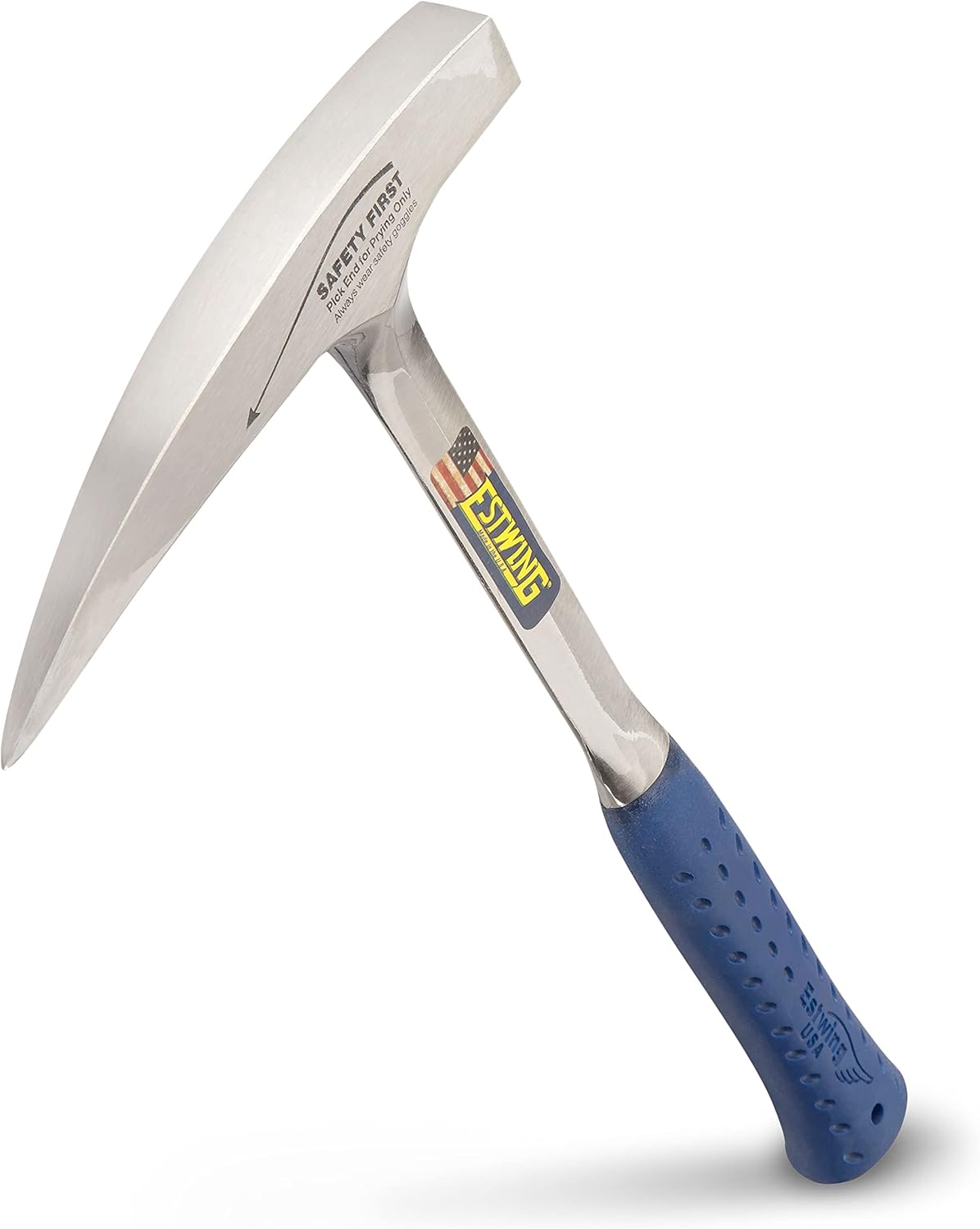
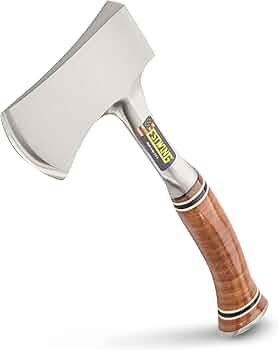
Estwing has manufactured hammers in Rockford, Illinois since 1923. The defining characteristic of an Estwing hammer is one-piece steel construction: the head and handle are forged from a single billet of steel, then the handle is covered with a shock-absorbing nylon vinyl grip. Compare this to conventional hammers with wood, fiberglass, or plastic handles joined to the head — all of those joint points are potential failure modes. Wood handles split. Fiberglass handles shatter. Plastic handles loosen. Estwing hammers eliminate the joint entirely.
The practical consequence is that an Estwing hammer simply doesn't fail under normal use. The company has documented examples of Estwings recovered from demolished buildings decades after last use, still fully functional. This durability argument sounds like marketing until you realize that the economics actually work: a $35 Estwing hammer that lasts forty years costs less per year than a $8 imported hammer that lasts three.
The shock-absorption question surfaces regularly: does a solid steel handle transmit more vibration than a wood or fiberglass handle? Yes, measurably. Professional framers who swing a hammer all day might prefer a wood handle for reduced fatigue. But for household use, repairs, and light construction, the difference is negligible. The Estwing E3 is the standard line; the Ultra series adds a different grip material with slightly more shock-absorption for users who notice the difference. For an investment that will outlast your ownership of your house, the Estwing is the obvious choice.
Best Multi-Tools: Leatherman from Portland, Oregon
Leatherman has designed and assembled multi-tools in Portland, Oregon since the first model shipped in 1983. The founder, Tim Leatherman, spent years trying to sell the concept before REI placed the initial order that established the brand. The company hasn't left Portland in forty years, which is remarkable consistency in a consumer products industry where manufacturing migration is the norm.
Leatherman manufactures its tools in Portland using American-sourced stainless steel, and the assembly is done by hand — a process that's slower and more expensive than automation but results in tools that feel balanced in a way mass-produced alternatives often don't. The company's founder understood something about tools that is often overlooked: balance matters. A hand-assembled multi-tool from Leatherman feels different in the palm than a robotically assembled alternative, even if the specifications are identical on paper.
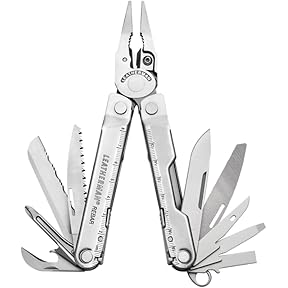
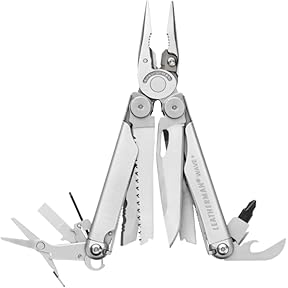
The Leatherman lineup has proliferated but the core models remain the most useful. The Wave+ is the most popular choice for general use — it opens all implements with one hand, the blades lock for safety, and it fits in a belt sheath without being obtrusive. The Surge is heavier and bulkier but the full-size blades make it suitable for tasks the Wave+ handles awkwardly. The Rebar is the stripped-down option for buyers who want essential tools in a smaller package at a lower price point. For outdoors, emergency preparedness, or everyday carry, a Leatherman is a tool that justifies its cost through reliable function when it matters.
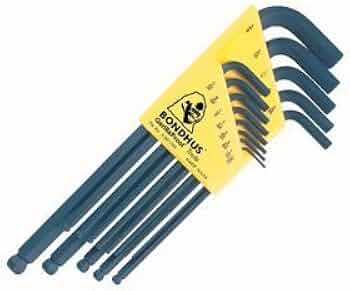
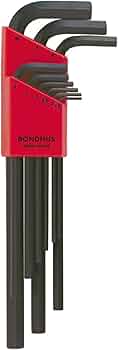
Best Hex Keys: Bondhus Ball-End Design
Bondhus has manufactured hex keys and ball-end drivers in Monticello, Minnesota since 1964. If you've used a hex key at an angle rather than dead-straight, you've experienced Bondhus engineering: their ball-end design allows driving fasteners at up to 25 degrees off-axis. This matters enormously when working in tight engine bays, furniture assemblies, or any application where straight-on access to the bolt is impossible.
The engineering advantage is straightforward: the ball-end hex key provides a socket-like grip around the fastener even when driving at an angle, reducing the likelihood of stripped or rounded corners that plague straight-end keys in angled applications. Bondhus uses a proprietary hardening process called Protanium that makes the tips significantly more resistant to rounding under torque than most competitors. This is practical engineering rather than marketing — you notice the difference when working with stubborn fasteners or when using the tool in applications where angle drive is necessary.
A complete Bondhus set covers both SAE and metric sizes in both short-arm and long-arm formats. The investment in a full set is modest compared to the frustration of trying to drive a metric bolt with a SAE key or working in a tight space with a standard-length tool. For anyone who assembles furniture, works on vehicles, or does mechanical work, Bondhus hex keys are worth buying once and using indefinitely.
Buying the Right Hand Tools: Practical Advice for Your Toolbox
The temptation when building a toolbox is to buy a giant mixed set from an imported supplier for a fraction of what the individual American brands cost. That approach saves money upfront and guarantees frustration later. The fundamental problem with budget tool sets is that they're optimized for variety rather than quality — the manufacturer makes money by including as many pieces as possible rather than making each piece excellent.
Start specific. Identify the actual tasks you perform: household repairs, electrical work, outdoor use, automotive maintenance, furniture assembly. Then buy the tools appropriate to that use case from a brand known for excellence in that category. A homeowner building a workshop from scratch needs Channellock pliers, an Estwing hammer, a Leatherman Wave+, and a Bondhus hex key set. That's four quality tools covering the vast majority of household maintenance tasks.
Budget around $150-200 for this starter set. In the long term, this investment will cost less than the disposable alternatives because the tools won't break, wear out, or become obsolete. An Estwing hammer bought today will still drive nails perfectly in 2050. Bondhus hex keys don't become outdated. Leatherman repairs any tool at no cost indefinitely. These are tools designed to be maintained and used for decades, which is an uncommon approach in contemporary consumer products.
For those exploring American-made options across more categories, the [american-made-tools-hardware guide](/guides/american-made-tools-hardware) covers additional hand tools, power tools, and equipment. For outdoor and recreational uses, the [american-made-automotive-care guide](/guides/american-made-automotive-care) includes tools and equipment relevant to vehicle maintenance and outdoor activities.
Browse All Tools & Hardware Products
See all 604 verified American-made tools & hardware products in our catalog.
Frequently Asked Questions
Are Channellock pliers really made in the USA?
Yes. Channellock manufactures all of its pliers in Meadville, Pennsylvania. The steel is sourced domestically and the full manufacturing process — forging, machining, heat treating, and assembly — takes place at the Meadville facility. The company has been there since 1886.
Which Leatherman multi-tool should I buy for everyday carry?
The Wave+ is the best all-around choice for everyday carry — it opens with one hand, all blades lock, and it fits comfortably in a belt sheath or pocket. If you want a larger tool with more robust blades for outdoor or work use, the Surge justifies the extra size. If you want something more minimal, the Rebar is a stripped-down option at a lower price point. All models are assembled in Portland, Oregon.
Is an Estwing hammer really better than a traditional wooden-handle hammer?
For durability and longevity, yes. Estwing's one-piece steel construction eliminates the joint points that fail on wooden and fiberglass handles — no splitting, no loosening, no shattering. A solid steel handle does transmit more vibration, which professionals who swing all day might notice, but for household repairs and general use, an Estwing simply doesn't fail. The long-term cost per year is substantially lower.
What makes Bondhus hex keys special?
Bondhus ball-end hex keys allow driving fasteners at up to 25 degrees off-axis, which is essential when you don't have straight-on access to the bolt. The proprietary Protanium hardening process makes the tips resistant to rounding under torque. For any mechanical work, furniture assembly, or automotive maintenance, Bondhus hex keys deliver practical advantages that justify the slightly higher cost.
Where can I buy these brands?
Channellock, Klein Tools, Estwing, Leatherman, and Bondhus are all available through the affiliate links in this guide, and they're also widely available through hardware stores, tool distributors, and outdoor retailers. Direct factory websites are also options for some brands.