Best American-Made Natural & Organic Skincare
Clean, natural skincare made in America — no greenwashing, no overseas production lines. Transparent sourcing and genuine American manufacturing.
Quick Answer
The best American-made natural skincare includes Dr. Bronner's from Vista, California, Andalou Naturals from Boulder, Colorado, and Desert Essence from Hauppauge, New York — all using organic and plant-based ingredients.
Last updated: April 2026
Made in USA Beauty: by the numbers
- 444 verified American-made beauty products from 83 U.S. brands in our catalog, each checked against factory locations and manufacturer statements.
- Top manufacturing states for these brands: California (18 brands), New York (6 brands), Texas (4 brands).
- U.S. manufacturing employed 12.6 million Americans as of May 2026 (U.S. Bureau of Labor Statistics), and 70% of consumers say buying American-made matters to them (DuraPlas survey, Feb 2025).
Catalog figures recompute at every site build. More data and sources on our American manufacturing statistics page.
Quick Comparison
Why Natural Skincare Made in the USA Is the Gold Standard
Natural skincare from American manufacturers offers a transparency advantage that offshore production simply cannot match. When a company manufactures in the United States, the supply chain is visible, auditable, and subject to FDA oversight. This matters more for skincare than most consumers realize.
The FDA regulates cosmetics and personal care products, establishing standards for ingredient safety, manufacturing facility standards, and labeling requirements. American companies operating under these regulations face genuine accountability: a false claim about "natural" or "organic" on a product made in the US is a federal violation with real consequences. Companies like Burt's Bees, Thayers, and Pacifica Beauty operate under this scrutiny every day.
Ingredient sourcing transparency is another practical advantage of domestic manufacturing. When you buy a moisturizer made in California from a company with decades of history in that state, you can trace the botanical extracts, carrier oils, and active ingredients through a supply chain that prizes traceability. Small-batch natural skincare makers often source organic oils from specific farms, and that level of relationship-based sourcing is difficult to maintain across international supply chains. The distance matters: a company making skincare in Connecticut can visit its ingredient suppliers in North America within days; a company making skincare overseas may never see where its botanical extracts come from.
The clean beauty movement has attracted a lot of marketing copy and greenwashing. Products labeled "natural" are sometimes made with synthetic preservatives that happen to sound botanical; products marketed as "cruelty-free" are sometimes manufactured by parent companies that test on animals elsewhere in their portfolio. The brands covered here have genuine heritage in natural formulation — not because it's trendy, but because the founders started these companies decades before "clean beauty" became a consumer category. Thayers has used the same witch hazel formula since 1847. Burt's Bees started with a beekeeper solving his own chapped-lip problem. These are not marketing stories; they are manufacturing histories.
For a conscious buyer, the convergence of American manufacturing + genuine natural formulation + verifiable ingredients is the actual gold standard. That's what this guide covers.
Cleansers & Toners: Thayers and Desert Essence
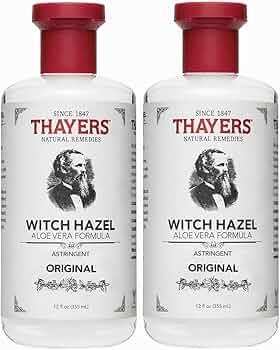
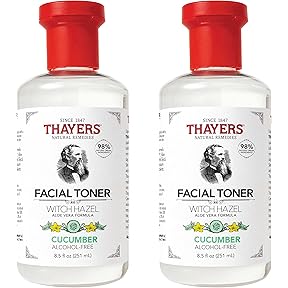
Thayers has manufactured witch hazel toner in Westport, Connecticut since 1847, making it one of the oldest skincare companies in continuous operation in America. The brand started as a pharmacy extract business and formulated the original witch hazel toner based on bark and leaf extracts from the North American witch hazel shrub. The current formula remains alcohol-free — a distinction that matters because most drugstore witch hazel products are 14% alcohol, which strips moisture from skin; Thayers uses vegetable glycerin as the base and preserves the astringent benefits of witch hazel without the drying effect.
Witch hazel contains tannins and volatile oils naturally present in the plant's leaf and bark. These tannins bind to proteins in the skin, causing a temporary tightening sensation — this is the astringency that reduces visible pore size and removes sebum residue. Glycerin, being a humectant, draws water molecules into the skin while the witch hazel's natural oils provide a subtle occlusive barrier. This combination works because it addresses both the immediate need (removing cleanser residue and sebum) and the underlying condition (dehydration). The formula hasn't changed in over 170 years because the formulation problem was solved correctly decades ago.
Witch hazel toner has a specific use case: post-cleansing toning for oily or combination skin. The natural astringents tighten pores visibly and remove residual cleanser residue, and the formula won't trigger irritation on sensitive skin the way high-alcohol toners do. Thayers sells in multiple formulations — Rose Petal (classic), Lavender (added calming), and Unscented (for fragrance-sensitive skin). The Rose Petal version is the most popular and works as both a toner and a spot treatment for occasional breakouts. Many dermatologists recommend Thayers specifically for the alcohol-free formulation when treating acne-prone skin.
For a buyer building a natural skincare routine, Thayers is the cleanser-stage product that has genuine heritage and measurable performance. The price point is under $10 for a bottle that lasts months, making it one of the most economical genuine American-made skincare products available.
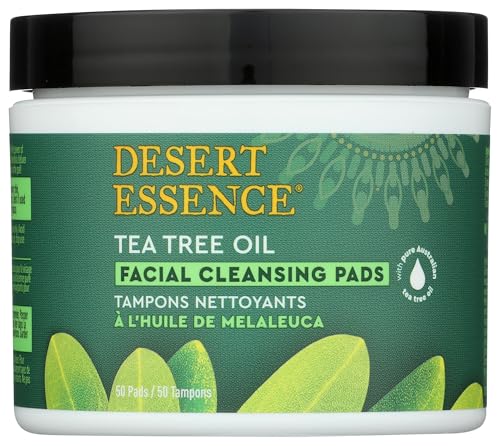
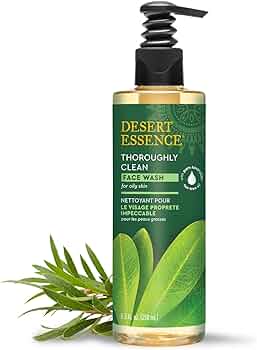
Desert Essence, made in Hauppauge, New York, focuses on tea tree oil and jojoba oil as primary actives. Tea tree oil is a natural antimicrobial extracted from the Australian tea tree; it's not manufactured, but it's a whole plant extract without synthetic modification. The oil contains cineole and terpineol, volatile compounds with documented antimicrobial activity against the bacteria and fungus that cause acne and skin irritation. Jojoba oil is a liquid wax extracted from jojoba plant seeds and has a molecular structure remarkably similar to human sebum, which means it absorbs into skin rather than sitting on the surface like heavier oils.
Desert Essence's Facial Cleansing Wash uses a blend of tea tree and chamomile extracts in a gel base that removes makeup and daily grime without stripping. The formula is sulfate-free (no harsh detergents) and plant-based. For oily or acne-prone skin, this is a meaningful step above basic drugstore cleansers — the tea tree provides genuine antimicrobial action without the irritation of chemical acne treatments. The chamomile adds soothing polyphenols that calm inflamed skin. One important caveat: some users find tea tree oil too strong if applied to sensitive or freshly-irritated skin; this product works best when introduced gradually into a routine.
The Desert Essence product line extends to face toners, serums, and body oils, all built on the tea tree and jojoba foundation. The brand appeals to buyers who want active natural ingredients rather than purely botanical feel-good formulas. Desert Essence publishes detailed ingredient sourcing on their website, making it possible to trace each botanical to its origin.
Moisturizers & Serums: Derma E, Andalou Naturals, and Mario Badescu
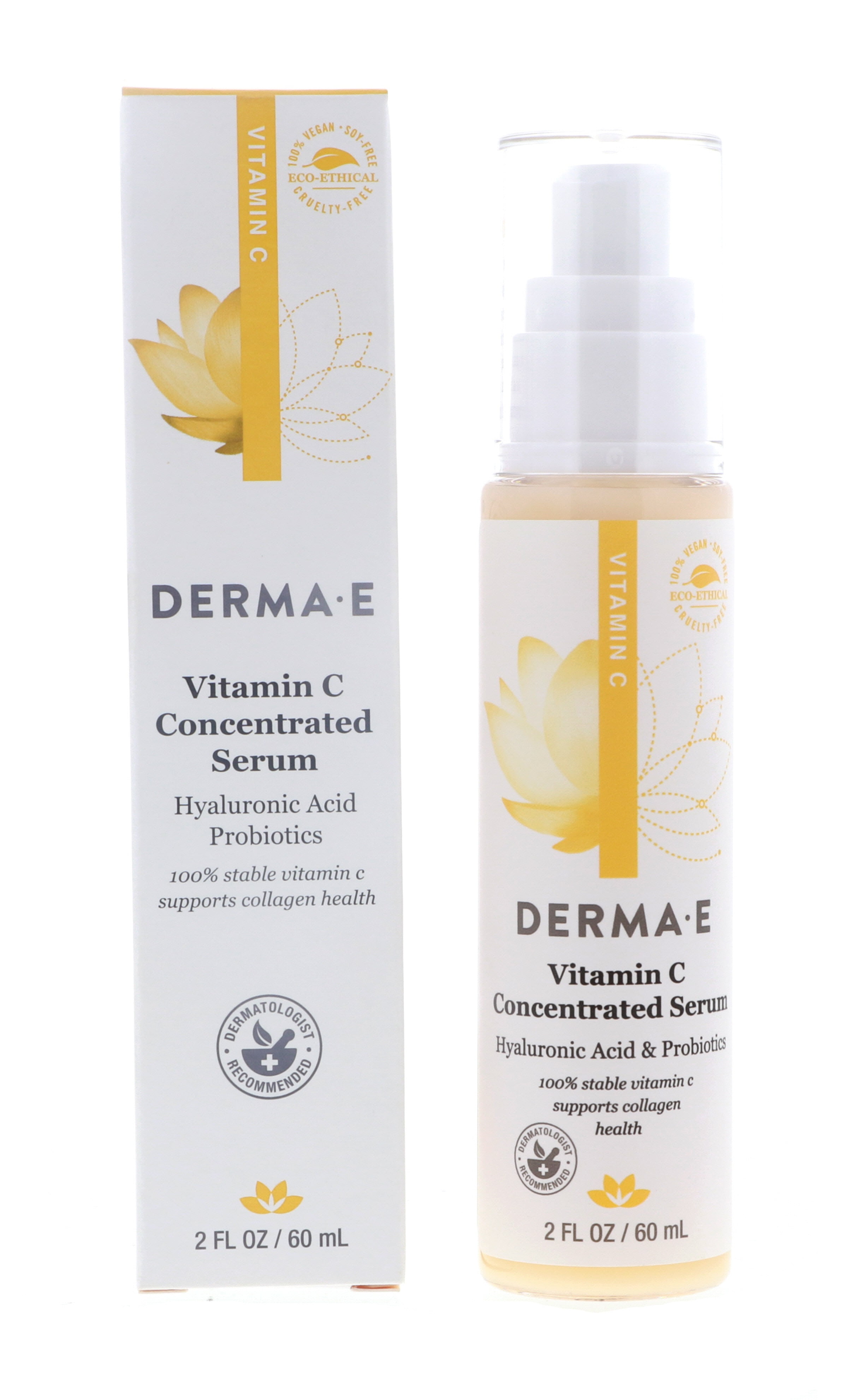
Derma E, based in Chatsworth, California, makes vegan, cruelty-free skincare formulated without synthetic fragrance, parabens, sulfates, or petrolatum. The brand's approach is therapeutic rather than luxury: every formula is designed to address a specific skin concern (sensitivity, aging, hydration, acne) using botanical actives and clinically-studied ingredients.
Derma E's Hyaluronic Hydrating Serum is a flagship product. Hyaluronic acid is a humectant naturally present in skin that can hold up to 1000 times its weight in water — when applied topically as a serum before moisturizer, it plumps skin and increases hydration dramatically. Derma E's formulation uses plant-derived hyaluronic acid and adds phytoceramides (plant-based ceramides that reinforce the skin barrier) and extracts of arnica and seaweed. Arnica has been used in traditional medicine for centuries to reduce inflammation; modern studies confirm that arnica extract reduces redness and swelling in irritated skin. Seaweed extract adds minerals (iodine, potassium, magnesium) that support skin cell turnover. For anyone with dehydrated or aging skin, a hyaluronic serum is more effective than applying moisturizer alone.
Derma E also makes targeted products: Vitamin C serums for brightening, Niacinamide serums for pore refinement, and a Retinol Alternative serum (using bakuchiol, a plant-based retinol alternative) for anti-aging without the irritation of prescription retinoids. The brand's advantage is ingredient transparency — you can look up every active and understand why it's in the formula. Niacinamide is a form of vitamin B3 that strengthens the skin barrier and reduces sebum production; it's particularly useful for buyers with compromised barrier function or oily skin. Bakuchiol is a plant compound extracted from the Babchi plant that activates the same cellular pathways as retinol without causing the peeling and sensitivity.
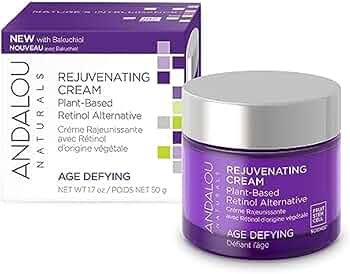
Andalou Naturals, made in Petaluma, California, specializes in fruit stem cell technology combined with botanical extracts. This is where American natural skincare gets sophisticated: the brand uses patented technology to extract and stabilize plant stem cells, which contain growth factors that signal aging skin cells to behave more like young skin cells. This is legitimate biochemistry, not botanical fluff. Stem cells from plants contain cytokinins and auxins — plant hormones that regulate growth and development. When applied topically, these compounds activate similar growth-regulating pathways in human skin cells.
Andalou's Age Defying Renewal Serum uses apple stem cells combined with hyaluronic acid, resveratrol (an antioxidant from grape skin), and pomegranate extract. The stem cells are not genetically modified — they're extracted from heirloom apple varieties grown in California — but they're processed in a way that preserves their bioactive compounds. Resveratrol is a polyphenol with strong antioxidant activity; it appears in wine and grapes and has been studied extensively for anti-aging effects on skin. For buyers seeking advanced natural skincare without synthetic peptides or laboratory-created molecules, Andalou represents the frontier of plant-based cosmetic science.
The brand also makes face creams, body lotions, and a full cleansing line, all built on the fruit stem cell foundation. The product quality is noticeably premium — the texture is luxurious and the results (skin feels firmer, lines appear softened) are measurable within weeks of consistent use.
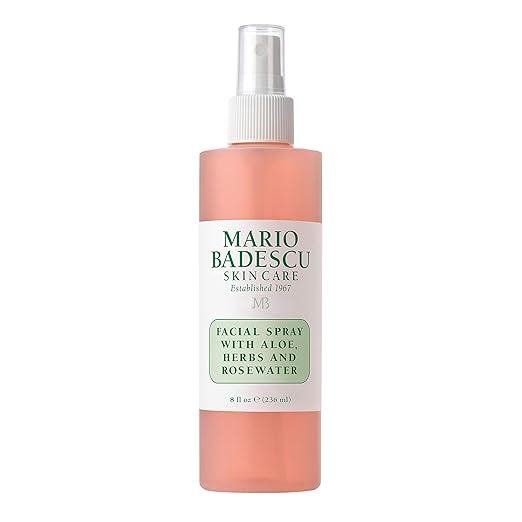
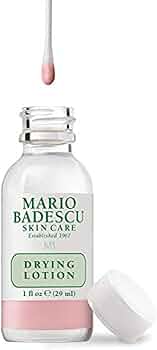
Mario Badescu, made in Parsippany, New Jersey, occupies a different market position: cult skincare that became mainstream. The brand is known for inexpensive, single-purpose formulas that work. The Drying Lotion — a small bottle of salicylic acid and calamine suspension — became famous on social media for its ability to dry up pimples overnight. Salicylic acid is a beta hydroxy acid that dissolves sebum in pores; calamine is zinc oxide and ferric oxide combined, which has both drying and soothing properties. The combination works: the salicylic acid exfoliates the pore lining and dissolves sebum, and the calamine dries the pimple while reducing inflammation. The brand also makes facial sprays (rosewater, witch hazel, green tea) that function as quick hydration refreshers throughout the day.
Mario Badescu's advantage is accessibility: a facial spray costs under $5, a drying lotion under $7. For a first-time buyer exploring natural skincare or a traveler who doesn't want to pack a full routine, these single-purpose products are genuine American-made options at drugstore pricing. The Rosewater Spray is the most versatile — it works as a makeup setting spray, a post-cleansing toner, or a midday refresher. Rosewater is produced by steam-distilling rose petals; it contains rose oil and water-soluble rose compounds that have mild astringent and antimicrobial properties.
Lips & Body Care: Burt's Bees and Pacifica Beauty
Burt's Bees is manufactured in Durham, North Carolina, and has been since the brand's founding in 1984. The origin story is genuine Americana: a beekeeper named Burt Shavitz made lip balm from beeswax and honey in rural Maine; a woman named Roxanne Quimby developed the business into a product line; the pair eventually sold to Clorox (now Henkel Group), but manufacturing remained in Durham and the formula philosophy never shifted.
Burt's Bees is fundamentally a beeswax and honey company. The original lip balm is still the bestseller: lanolin, beeswax, honey, and vitamin E, in a paper tube. This is skincare at its most direct — a beekeeper saw a problem (chapped lips from outdoor work) and solved it with available ingredients. The formula hasn't changed in four decades because it works. Lanolin is a wax secreted by sheep's skin glands; it's an excellent occlusive that seals in moisture without feeling greasy. Beeswax is a mixture of esters and fatty acids that create a protective barrier. Honey is a humectant and has mild antimicrobial properties. Vitamin E is an antioxidant that prevents lipid oxidation and protects against free radical damage. Burt's has expanded into moisturizing balms (with shea butter), tinted balms (for lip color), and specialty products (SPF balms, intensive repair), but every formula returns to the beeswax-and-honey core.
For lip care specifically, beeswax is genuinely superior to synthetic waxes: it creates a protective barrier that's occlusive (seals in moisture) without feeling waxy or preventing natural lip moisture from evaporating. Honey is a humectant (draws moisture into skin) and has mild antimicrobial properties. This is why Burt's Bees lip balms actually repair chapped lips rather than just temporarily coating them. Clinical studies comparing beeswax-based lip balms to petroleum jelly show that beeswax maintains moisture levels longer and doesn't create a dependence cycle where lips become drier if use stops.
The brand also makes body lotions, hand creams, and shower gels, all with the beeswax-honey philosophy. The body line uses shea butter and other plant oils, but the beeswax signature remains. Burt's Bees is the appropriate gateway into American natural skincare — it's affordable, accessible, and the results are immediate and visible.
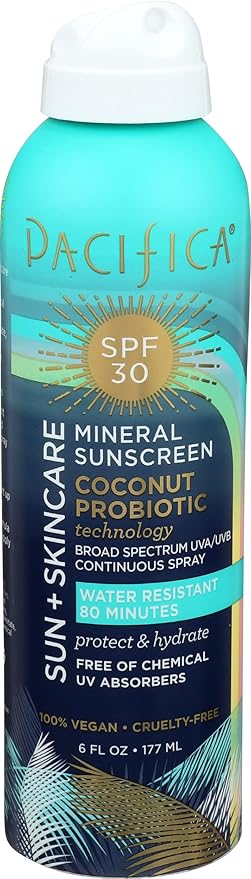
Pacifica Beauty, based in Portland, Oregon, takes a completely vegan approach: no animal-derived ingredients at all, including no honey or beeswax. This distinction matters for buyers committed to vegan cosmetics or those with allergies to bee products. Pacifica uses plant-based alternatives: cocoa butter instead of lanolin, plant waxes instead of beeswax, and botanical extracts instead of honey. Cocoa butter has a molecular structure similar to lanolin and performs identically as an occlusive, but it's plant-derived. Plant waxes — typically derived from candelilla, carnauba, or other plant sources — provide the same protective barrier as beeswax.
Pacifica's signature product is the Dreamer moisturizer line (Dreamy Youth, Dreaming in Sea Space, Dreaming in Coconut). These are lightweight, fast-absorbing creams that use a combination of plant hyaluronic acid (derived from fermented plants rather than animal sources), antioxidant-rich botanicals (sea lettuce, coconut, rosehip), and plant glycerin. The textures are luxurious — the creams feel like conventional prestige skincare rather than health-food-store products. Sea lettuce is a seaweed that contains polysaccharides and minerals; it's anti-inflammatory and supports skin barrier function. Rosehip oil is rich in vitamin A and C, supporting collagen production and brightening.
The brand also makes lip balms (using shea butter and cocoa butter), body lotions, face masks, and cleansers, all with the vegan philosophy and cruelty-free manufacturing. Pacifica is the choice for buyers who want premium natural skincare with explicit commitment to animal welfare and sustainability. The brand's commitment goes beyond just ingredients — they use recyclable packaging and have partnered with environmental organizations.
How to Read Natural Skincare Labels and Certifications
Understanding natural skincare labels requires distinguishing between marketing claims and actual standards. Here's what the major certifications and label terms actually mean.
**USDA Organic Certification**: This is the only US government-regulated organic standard for cosmetics. Products labeled "USDA Organic" contain at least 95% certified organic ingredients (the remaining 5% must be from an approved list of non-organic ingredients necessary for stability or preservation). Brands like Andalou Naturals carry USDA Organic certifications on specific products. If you see "Made with Organic Ingredients" (not "USDA Organic"), it means 70-95% organic content — still significant but not the highest tier. USDA Organic certification requires annual audits and traceability documentation for every ingredient.
**Cruelty-Free Certification**: The two major certifications are Leaping Bunny (the most rigorous, requiring ongoing verification that no animal testing occurred anywhere in the supply chain) and PETA Certified (based on company commitment, less ongoing auditing). Pacifica Beauty and Desert Essence both carry Leaping Bunny certification. Brands can claim cruelty-free without certification, but certification provides auditable proof. Leaping Bunny, in particular, requires companies to maintain detailed records of ingredient suppliers and prohibits any animal testing by parent companies or suppliers.
**Natural vs. Synthetic Ingredients**: "Natural" ingredients are derived from plants, minerals, or other organisms without chemical modification. Synthetic ingredients are created in laboratories. Both can be safe and effective — glycerin is natural when derived from plant oils and synthetic when derived from petrochemicals, and both versions are functionally identical. The advantage of natural ingredients is traceability: you can source a botanical ingredient to a specific plant species or farm. The disadvantage is variability: natural plant extracts vary by growing conditions and harvest time, while synthetic actives are consistent batch-to-batch.
**Paraben-Free**: Parabens are synthetic preservatives that extend shelf life. They're safe at cosmetic concentrations per FDA standards, but some consumers avoid them preferring natural preservatives like vitamin E, rosemary extract, or essential oils. Products without parabens typically have shorter shelf lives after opening. Vitamin E is a fat-soluble antioxidant that prevents rancidity; rosemary extract contains carnosic acid, which is antimicrobial. Both work but are less potent than parabens.
**Fragrance**: "Fragrance" on a label can mean synthetic fragrance (created in a lab) or essential oils and botanical extracts. Companies that use essential oils typically list them individually ("Rose Oil", "Lavender Oil"). Synthetic fragrance is not inherently harmful — it's often more stable and longer-lasting than botanical fragrance — but it's not natural. For buyers prioritizing natural ingredients, "Essential Oils" on the label is a clearer indicator than generic "Fragrance." Note that essential oils can still trigger sensitivity in fragrance-reactive skin.
**Sulfate-Free**: Sulfates (like sodium lauryl sulfate) are harsh detergents that create lather and strip oils. They're inexpensive and effective at cleaning, but they're irritating for sensitive skin. Sulfate-free cleansers use gentler plant-derived surfactants (derived from coconut, sugar, or other plant sources), making them appropriate for daily use without irritation. The downside is less lather, which some consumers perceive as less effective cleaning even though the actual cleansing power may be equal or superior.
When evaluating a product, read the ingredient list in order of concentration (first ingredient is most abundant, last is least). If a product lists water, then a plant extract, then 15 synthetic preservatives, the natural extract is present in minimal quantity — often for marketing rather than efficacy. The strongest natural skincare products list botanical actives in the first 5-10 ingredients. For example, if a serum lists hyaluronic acid, sea lettuce extract, and plant oils in the first five ingredients, the formula is genuinely active-driven rather than mostly water with a botanical label.
Browse All Beauty Products
See all 444 verified American-made beauty products in our catalog.
Frequently Asked Questions
Is Burt's Bees actually natural?
Yes. Burt's Bees products are made with 99% natural ingredients by Burt's Bees' own formulation standards (natural meaning derived from plants, minerals, or other organisms). The brand has held this standard since 1984 — before "natural skincare" was a marketing category. The core ingredients (beeswax, honey, lanolin, plant oils) are unchanged from the original Maine formula. The remaining 1% of ingredients are primarily natural preservatives and stabilizers necessary for shelf stability. Burt's Bees does not use synthetic fragrance or parabens.
What does cruelty-free actually mean in skincare?
Cruelty-free means the company does not test finished products or ingredients on animals, and does not commission third-party testing on animals. It does not necessarily mean vegan (animal-derived ingredients like honey or lanolin may still be used). Brands like Burt's Bees and Desert Essence are cruelty-free but not vegan (they use beeswax or lanolin). Pacifica Beauty is both cruelty-free AND vegan. Certification by Leaping Bunny provides independent verification; unverified claims should be treated skeptically.
Why is American-made natural skincare better than imported?
American manufacturing ensures FDA oversight, supply chain transparency, and accountability for ingredient claims. When a company manufactures in the US and claims a product is "natural" or "organic," that claim is subject to federal law and verification. International supply chains are difficult to audit — ingredient sourcing, manufacturing conditions, and ingredient authenticity are harder to verify. American-made skincare companies like Thayers (Connecticut since 1847), Burt's Bees (North Carolina since 1984), and Pacifica (Oregon-based) have decades of manufacturing history and verifiable sourcing.
Do natural ingredients actually work better than synthetic ones?
Natural and synthetic ingredients can be equally effective. Hyaluronic acid, glycerin, niacinamide, and many other powerful skincare actives exist in both natural and synthetic forms. The practical advantage of natural ingredients is traceability: you can verify the source of a botanical extract more easily than a synthetic molecule. For results, what matters is the concentration of the active ingredient and the formula's stability. Derma E and Andalou Naturals achieve measurable results with natural formulations because they prioritize efficacy alongside natural sourcing.
Which American-made brand should I choose if I have sensitive skin?
For sensitive skin, start with Thayers Witch Hazel (alcohol-free toner, non-irritating) and pair it with a fragrance-free moisturizer like Derma E's Hyaluronic Serum followed by a barrier-repair cream. Avoid brands with essential oils if you're fragrance-sensitive — Desert Essence and some Andalou products feature tea tree oil and other strong botanicals. Derma E and Mario Badescu's Unscented products are specifically formulated for reactive skin. Burt's Bees is gentle but contains honey and beeswax, which can trigger sensitivity in a small percentage of users. Always patch-test new products on a small area first.