Best American-Made Socks: Merino Wool Hiking, Athletic & Dress Socks Made in the USA
Merino wool and performance socks knit in American mills — from 120-year-old Wisconsin knitters to Carolina hosiery makers built on the domestic textile tradition.
Quick Answer
The best American-made socks include Wigwam from Sheboygan, Wisconsin (knitting since 1905), Farm to Feet from Mount Airy, North Carolina (100% American materials and manufacturing), and Kentwool from Pickens, South Carolina — plus Point6 merino wool socks from Steamboat Springs, Colorado.
Last updated: April 2026
Made in USA Clothing & Apparel: by the numbers
- 494 verified American-made clothing & apparel products from 98 U.S. brands in our catalog, each checked against factory locations and manufacturer statements.
- Top manufacturing states for these brands: California (12 brands), North Carolina (8 brands), Tennessee (8 brands).
- U.S. manufacturing employed 12.6 million Americans as of May 2026 (U.S. Bureau of Labor Statistics), and 70% of consumers say buying American-made matters to them (DuraPlas survey, Feb 2025).
Catalog figures recompute at every site build. More data and sources on our American manufacturing statistics page.
Quick Comparison
Why American-Made Socks Are Worth It
Socks are the most-worn and least-considered garment most people own, which is exactly why the difference between a cheap imported pair and an American-knit pair compounds so quickly. A sock takes more abuse than almost any other piece of clothing: it is compressed inside a shoe, soaked in sweat, abraded against the foot with every step, and laundered constantly. Imported budget socks are engineered to a price point — thin yarn, loose gauge, minimal reinforcement — and they thin out at the heel and toe within a season. American knitting mills build socks around the opposite premise: that the wearer will put them through years of hard use and expect consistent cushioning, fit, and durability the whole time.
The United States retains a genuine sock-knitting industry concentrated in a handful of regions with deep textile heritage — Sheboygan, Wisconsin, and the hosiery corridor of North and South Carolina among them. These mills run circular knitting machines that let manufacturers control gauge (stitch density), reinforce high-wear zones at the heel and toe, and build in arch support and targeted cushioning that cheaper production skips. Higher stitch density and better yarn mean the sock keeps its shape and cushioning through hundreds of wash cycles rather than degrading into a thin, shapeless tube.
Many American sock makers also stand behind the product in ways importers cannot. Farm to Feet builds every sock from 100% American materials and manufacturing; several brands offer lifetime or unconditional wear guarantees on the premise that a well-knit merino sock genuinely should last for years. That guarantee is only credible when the manufacturer controls the yarn, the knitting, and the finishing domestically — which is the throughline connecting every brand on this list.
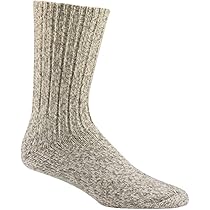
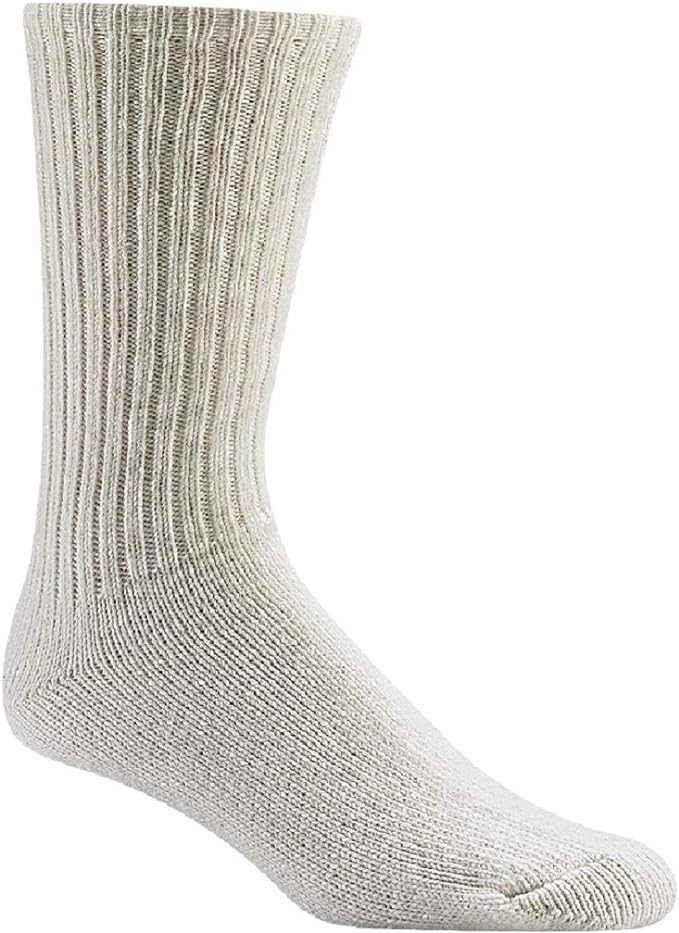
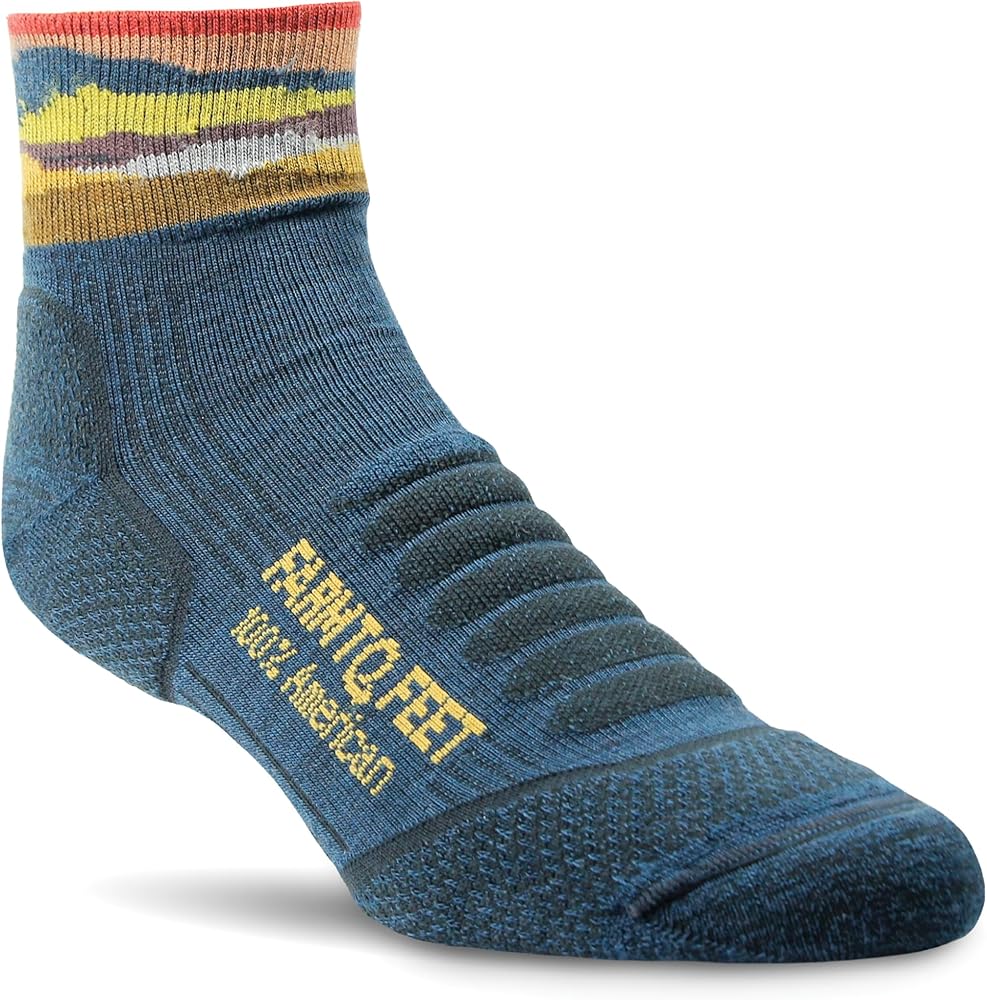
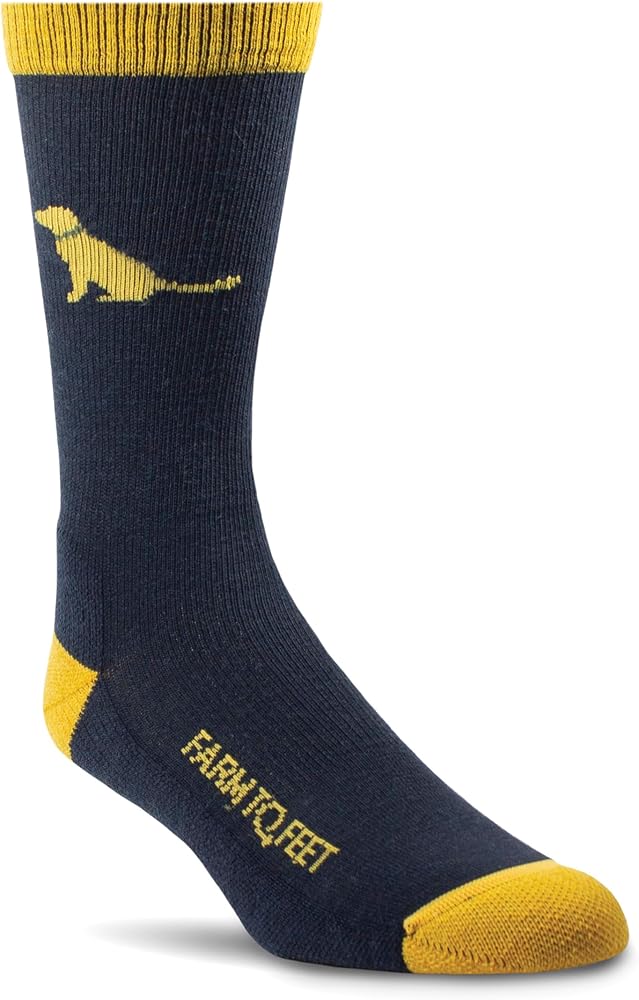
Merino Wool Performance: Wigwam, Farm to Feet, and Point6
Merino wool is the fiber that separates a performance sock from a commodity sock. Unlike ordinary wool, merino has an extremely fine fiber diameter that eliminates the itch most people associate with wool, and it manages moisture and temperature far better than cotton. Merino wicks sweat away from the skin, insulates when wet, resists odor because its structure inhibits bacterial growth, and regulates temperature across a wide range — the same sock is comfortable on a cold morning and a warm afternoon. For hiking, work, and all-day wear, merino is the reason American sock makers command premium prices and earn repeat buyers.
Wigwam has been knitting socks in Sheboygan, Wisconsin since 1905, making it one of the oldest continuously family-owned sock manufacturers in the country. The Wigwam line spans heavy outdoor and work socks (the 40 Below and Merino Comfort Hiker are staples for cold-weather and trail use) to everyday cushioned crews. Wigwam's longevity in a single Wisconsin facility is itself a durability argument: the company has refined its knitting for over a century and still controls production domestically.
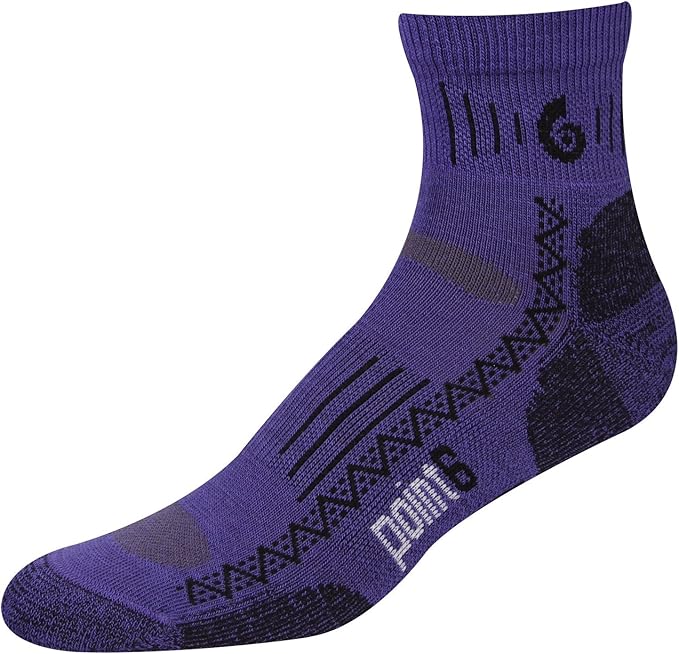
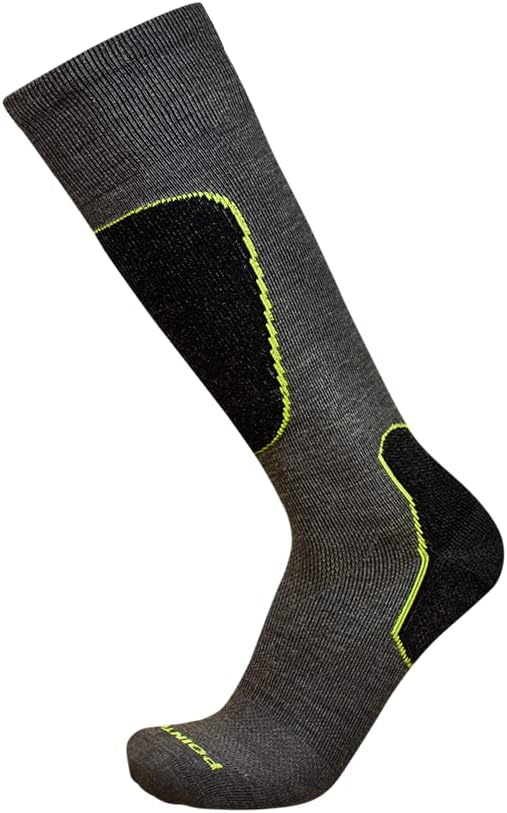
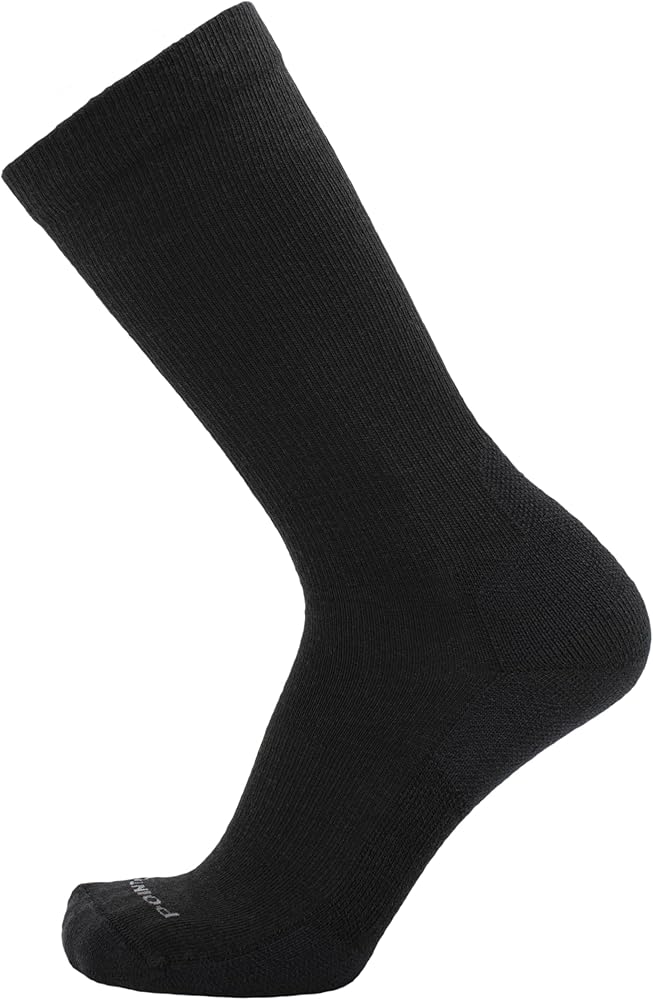
Farm to Feet, made in Mount Airy, North Carolina, distinguishes itself with a 100% American commitment — U.S. merino wool, U.S. yarn, and U.S. knitting and finishing, traceable end to end. The brand's targeted-cushion hiking and everyday socks are built for wearers who want both performance and a fully domestic supply chain. Point6, out of Steamboat Springs, Colorado, was founded by merino-sock pioneers and focuses on high-twist merino yarns that improve durability and shape retention; its ski, hiking, and running socks are engineered for demanding conditions where a sock's fit and cushioning directly affect comfort over long days.
Athletic, Dress & Specialty: Kentwool and Boldfoot
Not every use case calls for a heavyweight merino hiker. Sock weight and cushioning should match the activity: thin, low-profile socks for dress shoes and warm weather; medium cushioning for daily athletic wear; heavy cushioning for cold conditions, hiking, and standing all day. American makers cover this full range, and matching the sock to the task matters more than most buyers realize — an over-cushioned sock cramps a dress shoe, while an under-cushioned sock fails to protect the foot on a long hike.
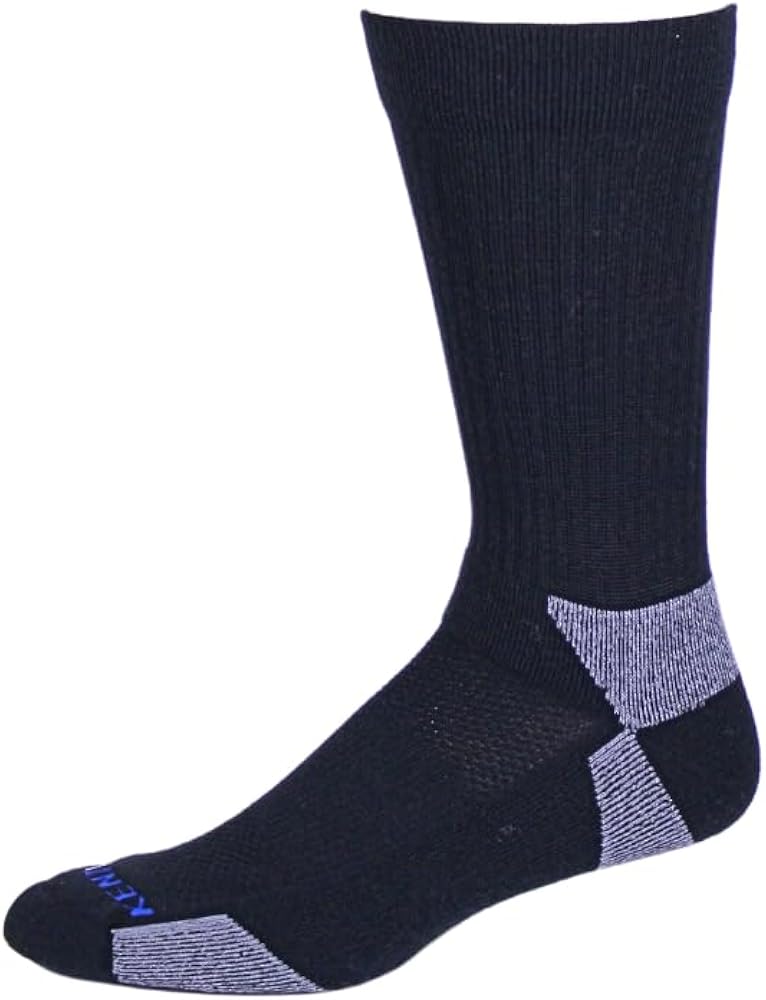
Kentwool, based in Pickens, South Carolina, built its reputation on merino performance socks in the golf market, where all-day comfort on foot and moisture management are decisive. Kentwool's Tour-tier socks use fine merino blends knit for a seamless, blister-resistant fit — a specification driven by professional golfers walking eighteen holes but equally useful for anyone on their feet for hours. The South Carolina location places Kentwool in the heart of the American hosiery tradition, drawing on generations of regional knitting expertise.
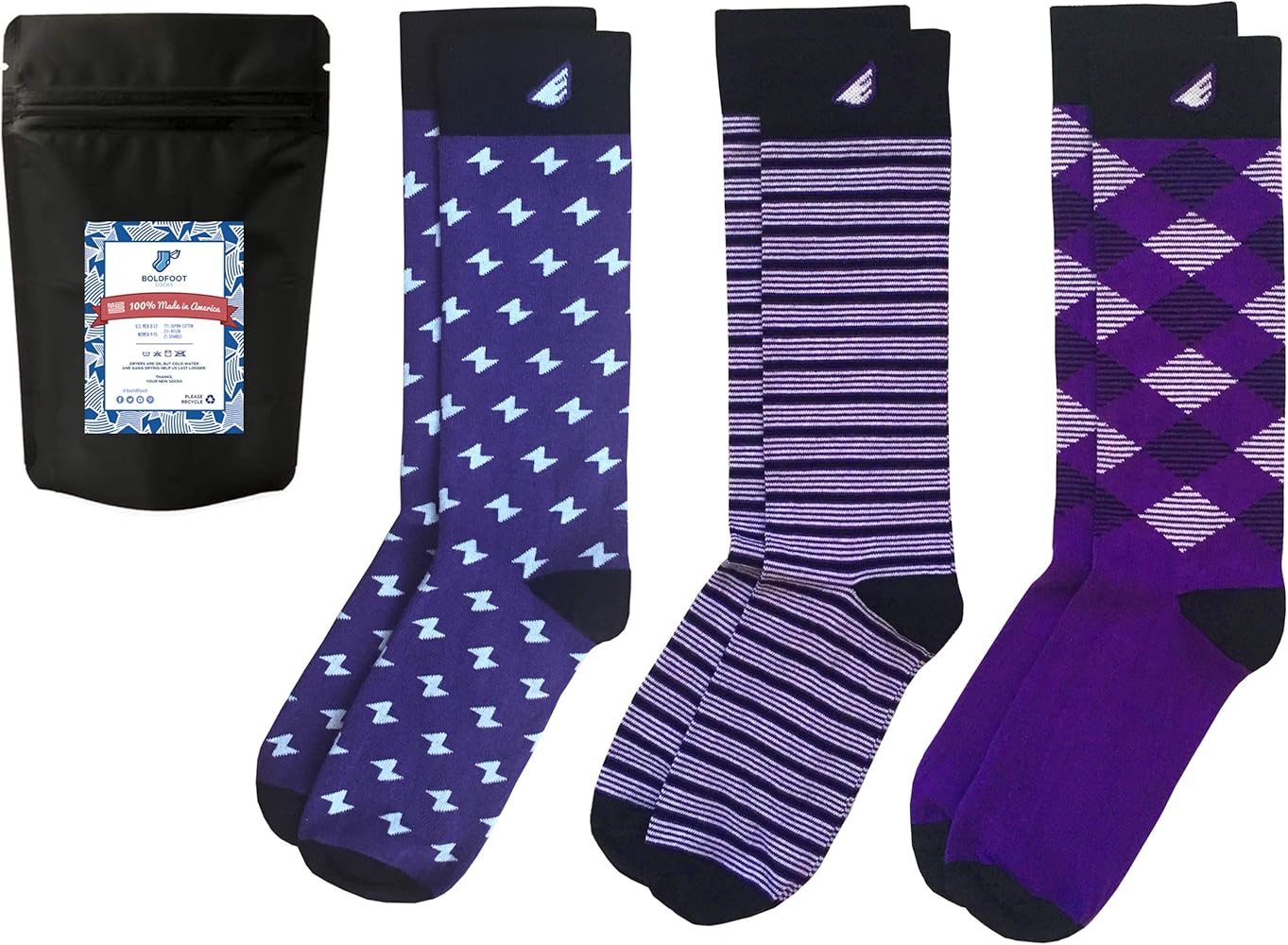
Boldfoot Socks makes its socks entirely in the USA with a focus on classic, sturdy everyday and dress patterns for buyers who specifically want a fully American-made sock without a performance-athletic framing. For a wardrobe of dependable, domestically produced socks — the kind you buy once and re-buy because they held up — Boldfoot fills the everyday niche alongside the merino performance specialists. Across all of these, the selection logic is the same: choose fiber (merino for performance, cotton blends for casual), then weight (light/medium/heavy) to match how and where you'll wear them.
Understanding Sock Fibers, Cushioning, and Fit
Three specifications determine how a sock performs: fiber, knit gauge and cushioning, and fit. Fiber is the most consequential choice. Merino wool leads for performance because it wicks, insulates when wet, and resists odor; blends typically pair merino with nylon for durability and a small percentage of spandex or Lycra for stretch and shape retention. Pure cotton socks are cool and casual but hold moisture against the skin and are a poor choice for hiking or athletics — a wet cotton sock is the classic cause of hiking blisters. The nylon and spandex content in a quality sock is not a compromise; it is what keeps the sock from sagging and abrading after repeated wear.
Knit gauge and cushioning describe how densely the sock is knit and where padding is placed. Higher-gauge (denser) knitting produces a smoother, more durable sock. Targeted cushioning — extra terry loops under the heel, ball, and toe — protects high-impact zones without making the entire sock bulky, which is why a well-designed hiking sock feels supportive without overheating the foot. Arch-support bands (a tighter knit across the midfoot) keep the sock from bunching and improve fit inside a shoe.
Fit and sizing matter more for socks than most buyers assume. A sock that is too large bunches and causes blisters; a sock that is too small compresses the toes and wears out prematurely at the toe seam. Quality American socks are sized to shoe-size ranges rather than the one-size-fits-most approach of commodity socks, and the better ones use a seamless or hand-linked toe closure to eliminate the ridge that causes irritation. When choosing, match the fiber to your climate and activity, the cushioning weight to your use case, and the size to your actual shoe size — those three decisions determine whether a sock performs and lasts.
Browse All Clothing & Apparel Products
See all 494 verified American-made clothing & apparel products in our catalog.
Frequently Asked Questions
Where are American-made socks manufactured?
The core of American sock knitting is concentrated in a few textile regions. Wigwam knits in Sheboygan, Wisconsin (since 1905); Farm to Feet is made in Mount Airy, North Carolina with 100% American materials and manufacturing; Kentwool is based in Pickens, South Carolina; and Point6 merino socks come out of Steamboat Springs, Colorado. The Carolinas in particular retain a deep hosiery-knitting tradition that supplies much of the domestic sock industry.
Are merino wool socks worth the premium over cotton?
For hiking, athletics, work, and all-day wear, yes. Merino wool wicks moisture away from the skin, insulates even when wet, resists odor, and regulates temperature across a wide range — all things cotton does poorly. A wet cotton sock holds moisture against the foot and is the classic cause of hiking blisters. Cotton blends are fine for casual, dry, low-activity wear, but merino is what makes a performance sock perform, and it is the reason American merino socks command their price.
How long should a quality American-made sock last?
A well-knit merino or merino-blend sock from a domestic mill should last years of regular wear rather than a season. Higher stitch density, reinforced heel and toe zones, and nylon/spandex content for shape retention are what deliver that longevity. Several American brands back this up with lifetime or unconditional wear guarantees — a promise that is only credible because they control the yarn, knitting, and finishing domestically.
What sock weight should I choose?
Match weight to activity. Choose light/thin socks for dress shoes and warm-weather wear, medium cushioning for daily athletic and casual use, and heavy cushioning for cold conditions, hiking, and standing all day. Over-cushioned socks cramp dress shoes; under-cushioned socks fail to protect the foot on long hikes. Pair the right weight with merino fiber for performance use, and always size to your actual shoe size to avoid bunching or premature toe wear.