Learning Resources
8 verified products
Browse on Amazon →Last verified: April 2026
Read our full verification: Is Learning Resources Made in USA?Verification Summary
American Score
Manufacturing Location
Vernon Hills, IL
Headquarters
Vernon Hills, IL
Founded
1984
Products Verified
8 products
Evidence Breakdown
Factory Location Specificity
Specific factory city identified
Website Claim
Brand website explicitly claims Made in USA
Manufacturing History
Established USA manufacturer
Known Overseas Production
No known overseas production
Verification Notes
Learning Resources designs and manufactures educational toys and manipulatives in Vernon Hills, Illinois. Products comply with US ASTM safety standards and are CPSC-tested.
Last verified: April 2026
Manufacturing Profile
Learning Resources manufactures at a specific factory location in Vernon Hills, IL. Founded in 1984 (42 years of documented domestic manufacturing). Our 8 verified Learning Resources listings sit in toys & games.
Verification tier
76% average
Brand-verified — brand evidence holds, product-level evidence still firming up
Factory evidence
Specific city
Vernon Hills, IL
Catalog breadth
8 products
1 category
Learning Resources has been manufacturing products in Vernon Hills, IL since 1984. We carry 8 verified American-made Learning Resources products.
Educational Tools Built for American Classrooms
Learning Resources was founded in 1984 in Vernon Hills, Illinois, with a focus on creating manipulative learning tools that make abstract educational concepts tangible for young learners. The company's founding insight was that children learn more effectively when they can physically interact with concepts — counting objects rather than memorizing tables, building structures rather than reading about spatial relationships.
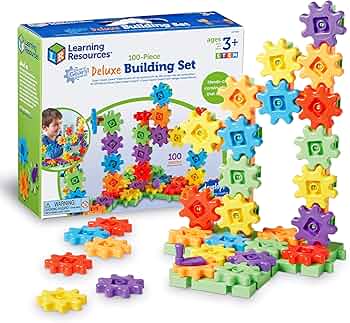
Decades later, Learning Resources products are standard equipment in American elementary classrooms. Their Gears! Gears! Gears! building sets have introduced STEM concepts to millions of children. Their math manipulatives — ten-frames, fraction tiles, base-ten blocks — have become the physical vocabulary of American early childhood math education. Vernon Hills product development keeps the curriculum alignment current with US educational standards.
STEM Learning Through Play
The Gears! Gears! Gears! interlocking gear sets represent Learning Resources at its most effective: a toy that is also a teaching tool, playful enough to capture children's attention but structured enough to teach the mechanical principles of gear ratios, rotational motion, and cause-and-effect relationships. The sets are designed to require no instruction — children discover the principles by experimenting with the pieces.
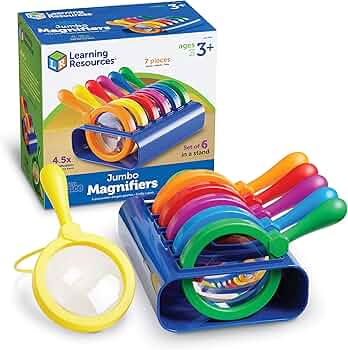
The Primary Science line takes the same approach to scientific observation. The Jumbo Magnifiers feature oversize handles designed for small hands and non-scratch acrylic lenses with 2.5x magnification. They are the right size and optical quality for the actual use case — a child examining a leaf or an insect — rather than precision instruments built to adult specifications.
Math Manipulatives and Early Childhood Development
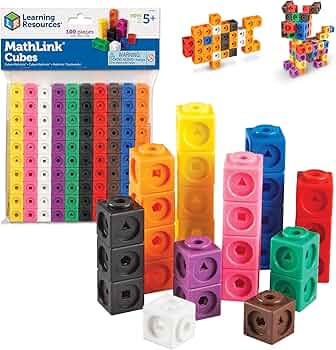
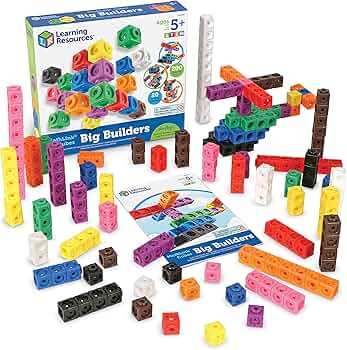
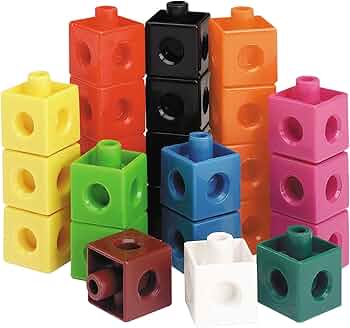
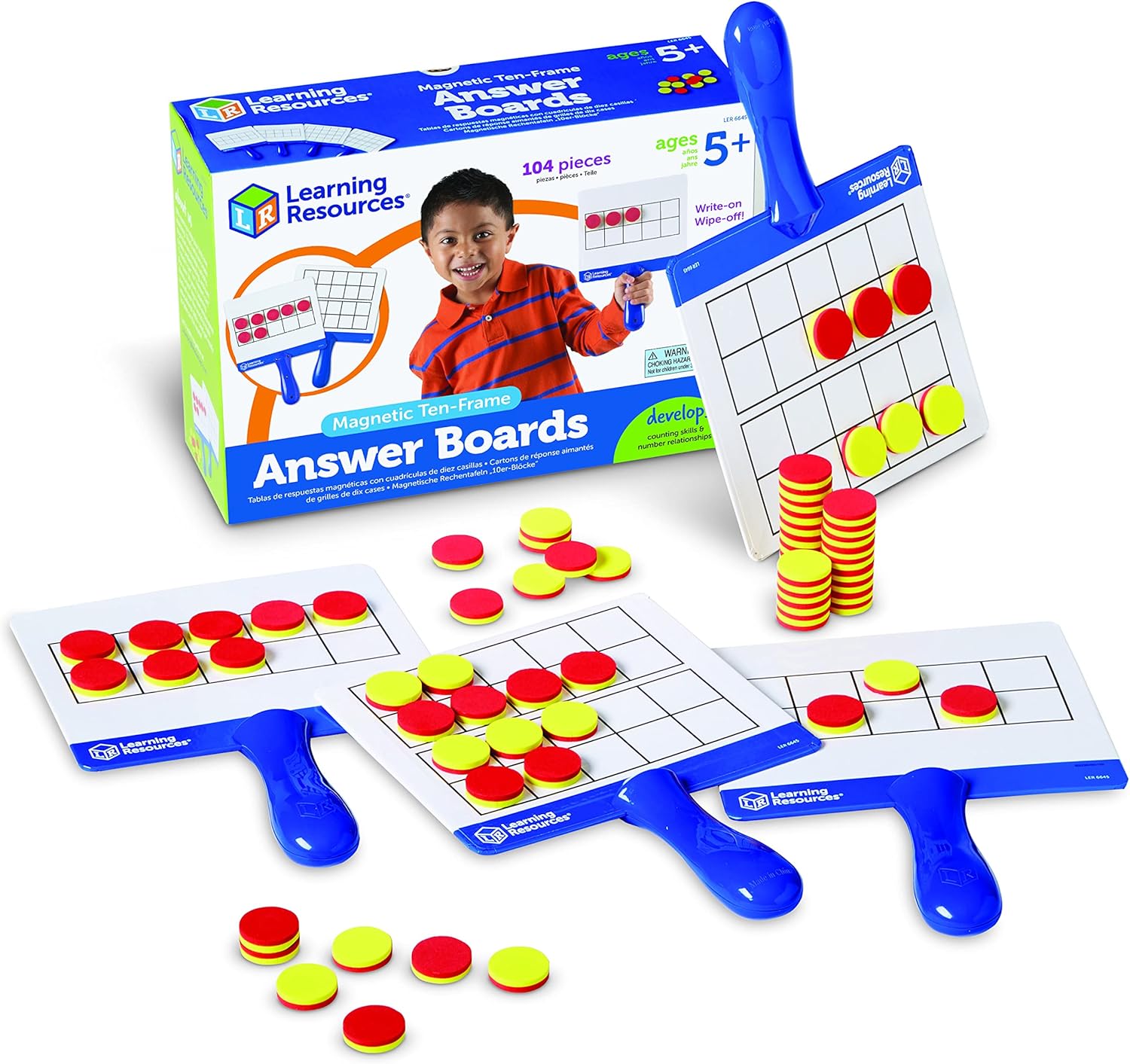
Learning Resources' math manipulatives align with the Common Core State Standards and the inquiry-based mathematics pedagogy used in most American elementary schools. The double-sided magnetic ten-frames work on standard whiteboards and include counters sized for small fingers. The shape-sorting sets address multiple developmental objectives simultaneously — color recognition, shape identification, fine motor development, and early counting.
For parents supplementing classroom learning at home, Learning Resources products provide the same manipulatives that teachers use, ensuring consistency between school and home practice. The Illinois design and testing process incorporates educator feedback to keep products pedagogically current.
Quick Picks
Frequently Asked Questions
Is Learning Resources made in the USA?
Yes. Learning Resources manufactures 8 verified products in Vernon Hills, IL. Learning Resources has designed educational toys and manipulatives for children in Vernon Hills, Illinois since 1984, creating hands-on learning tools used in schools and homes across America to develop math, science, and early literacy skills.
Where is Learning Resources manufactured?
Learning Resources is headquartered in Vernon Hills, IL. Manufacturing takes place in Vernon Hills, IL.
What Learning Resources products can I buy?
We carry 8 verified Learning Resources products across Toys & Games. Every listing links directly to Amazon with verified American manufacturing.
When was Learning Resources founded?
Learning Resources was founded in 1984. Learning Resources has designed educational toys and manipulatives for children in Vernon Hills, Illinois since 1984, creating hands-on learning tools used in schools and homes across America to develop math, science, and early literacy skills.
Does Learning Resources ship from Amazon?
Yes, all Learning Resources products listed here are available on Amazon with free shipping for Prime members.