Best American-Made Automotive Products
Detailing chemicals, oils, liners and parts from companies that name the American plant, plus the big brands that don't.
Quick Answer
WeatherTech makes its floor liners in Bolingbrook, Illinois, Lucas Oil makes its oil stabilizers and fuel treatments in Corydon, Indiana, Griot's Garage mixes and bottles its car washes and waxes in Plainfield, Indiana, and B'laster makes PB B'laster penetrating catalyst in Valley View, Ohio.
Last updated: October 2026
Made in USA Automotive: by the numbers
- 380 verified American-made automotive products from 79 U.S. brands in the catalog, each checked against its factory location and its own statements.
- Top manufacturing states for these brands: California (15 brands), Ohio (12 brands), Florida (4 brands).
- U.S. manufacturing employed 12.6 million Americans as of May 2026 (U.S. Bureau of Labor Statistics), and 70% of consumers say buying American-made is at least somewhat important to them (DuraPlas survey, Feb 2025).
Catalog figures recompute at every site build. More data and sources on our American manufacturing statistics page.
Quick Comparison
| Product | Brand | Link |
|---|---|---|
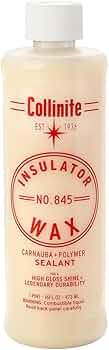
| Collinite 845 Insulator Wax 16oz | Collinite | Shop Now |
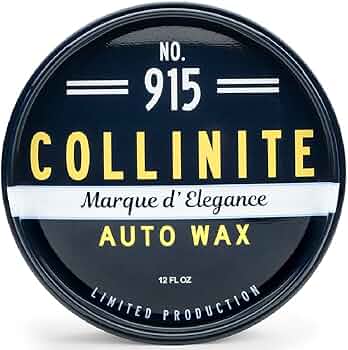
| Collinite 915 Marque d'Elegance Auto Wax 12oz | Collinite | Shop Now |
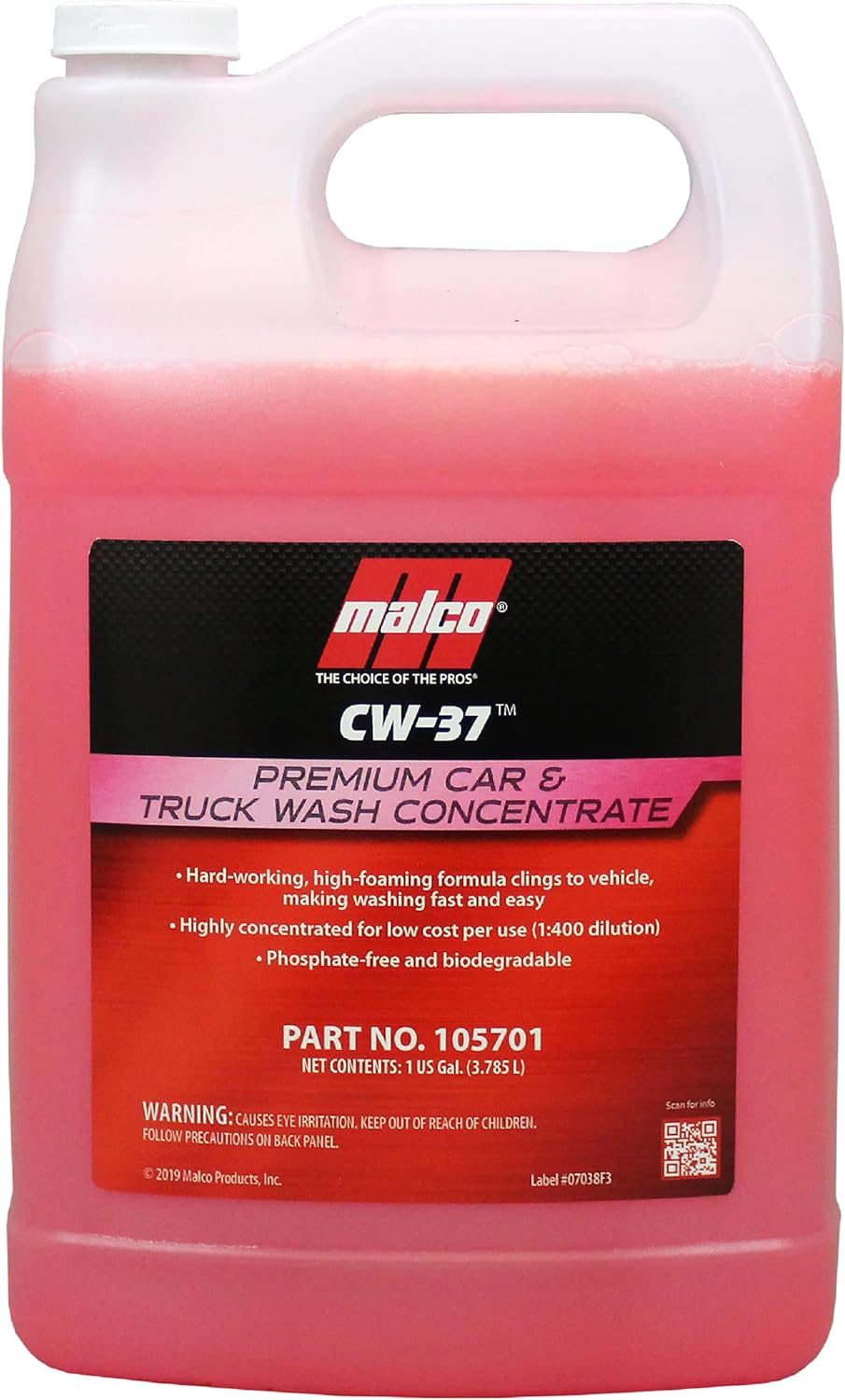
| Malco CW-37 Premium Car Wash Concentrate 1 Gallon | Malco Automotive | Shop Now |
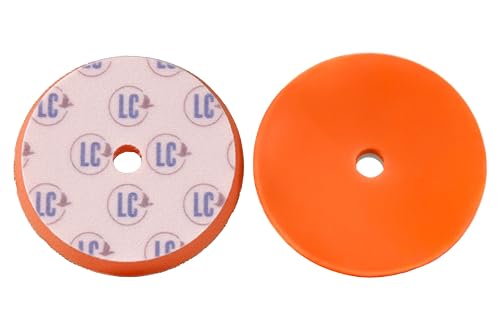
| Lake Country Manufacturing 5.5 Inch Orange Foam Cutting Pad | Lake Country Manufacturing | Shop Now |
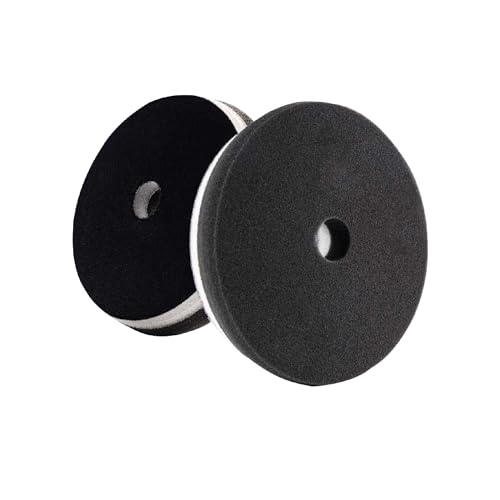
| Lake Country Manufacturing 5.5 Inch Black Foam Finishing Pad | Lake Country Manufacturing | Shop Now |
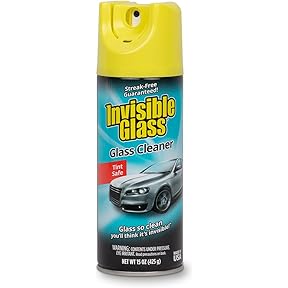
| Stoner Invisible Glass Premium Glass Cleaner 15 oz | Stoner Car Care | Shop Now |
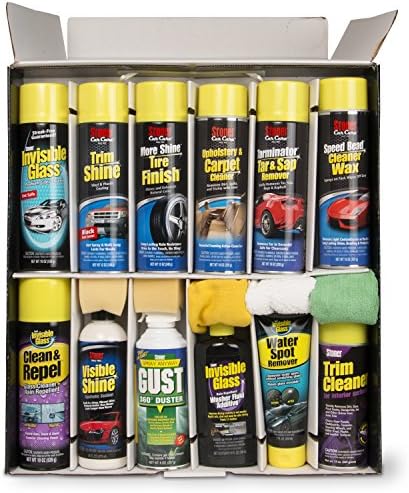
| Stoner Car Care Complete Car Care and Detailing Kit 159 Fluid Ounces | Stoner Car Care | Shop Now |
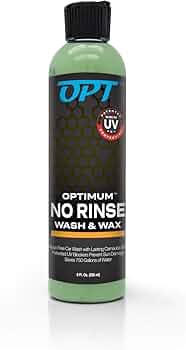
| Optimum No Rinse Wash and Wax, 8 oz | Optimum Polymer Technologies | Shop Now |
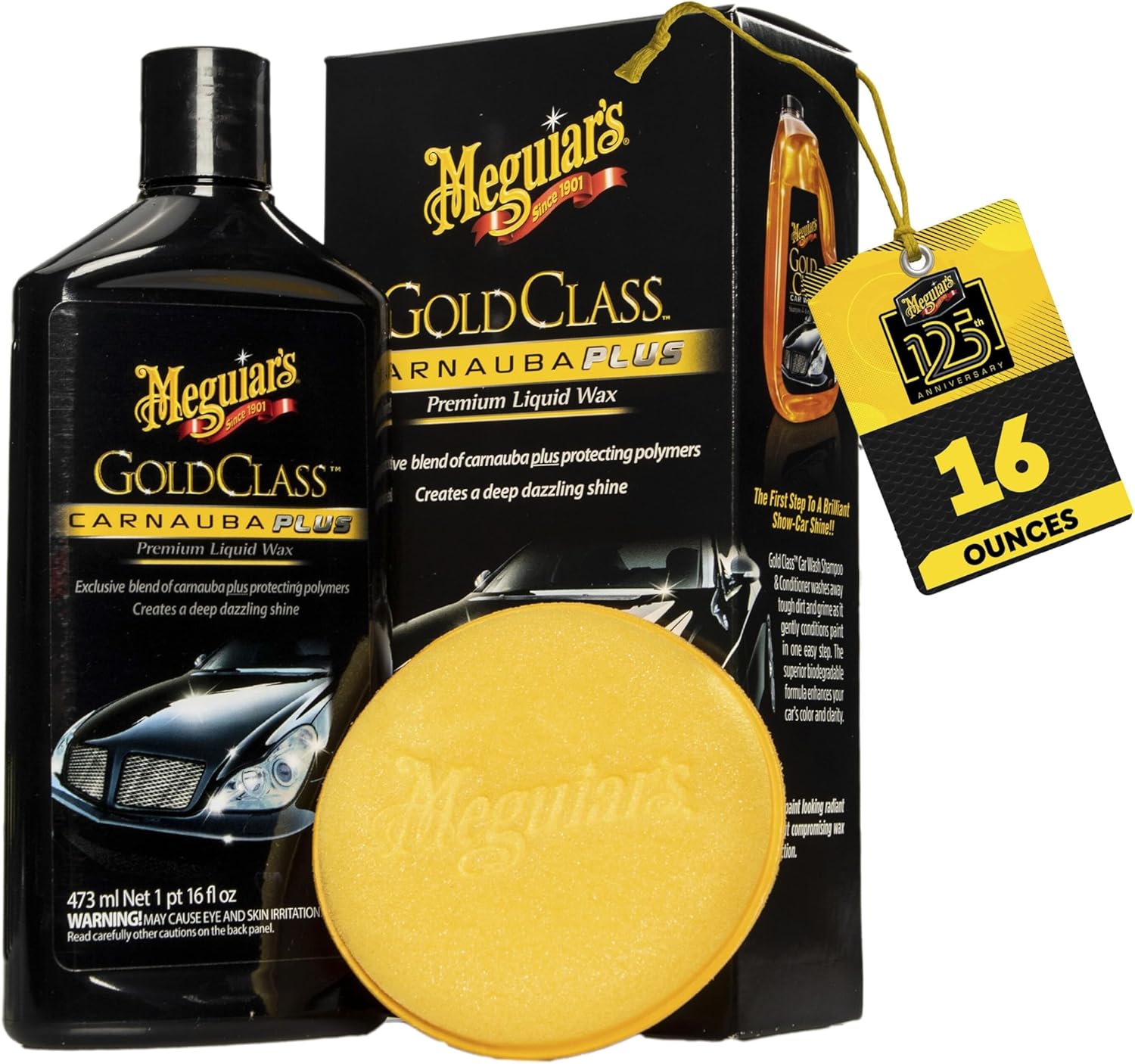
| Meguiar's Gold Class Carnauba Plus Premium Liquid Wax 16oz | Meguiar's | Shop Now |
| Meguiar's Ultimate Compound 15.2 oz | Meguiar's | Shop Now |
Washes, waxes and polishes mixed in Indiana, Ohio, Tennessee and North Carolina
Several detailing brands mix their own chemicals at a plant they name. Griot's Garage, headquartered in Tacoma, Washington, says its liquids are developed, mixed, bottled and shipped from Plainfield, Indiana; its polishers, towels and pads carry no origin statement. Malco has made car washes, waxes, polishes and leather care in Ohio since 1953, in Barberton since 1968. Optimum Polymer Technologies formulates and makes Optimum No Rinse and Opti-Coat ceramic coatings in-house in Memphis, Tennessee. Poorboy's World makes its waxes, sealants, glazes and quick detailers at its facilities in Albemarle, North Carolina, though the pads and polishers it resells are not covered.
Stoner Car Care, family owned since 1942, makes Invisible Glass, More Shine tire finish and Tarminator in Quarryville, Pennsylvania. Collinite has made car, boat and insulator waxes in Utica, New York since 1936, with Brazilian carnauba as the one imported ingredient it names. Ardex Laboratories makes professional cleaners, dressings and waxes in Philadelphia, where it started in 1949. Flitz brought its metal polish production fully in-house at Waterford, Wisconsin in 2023, after years of outsourcing it.
A second group says its products are made in the USA without naming a plant city. Adam's Polishes, a Colorado company, blends its soaps, sprays and polishes in the USA but imports some tools, such as a pressure washer attachment made in China. McKee's 37 of Stuart, Florida says its chemicals and even its bottles and cartons are US-made. 3D Car Care of Santa Clarita, California, Americana Global of San Diego, Jax Wax of Columbus, Ohio, Wizards Products of Hanover, Minnesota, Finish Kare of South El Monte, California, and Aero Cosmetics of San Antonio, Texas fit this group too. Aero sells a Chinese-made mop pole alongside its waterless wash.
For pads, Lake Country Manufacturing makes foam, wool and microfiber buffing pads at its 82,000 square foot plant in Oconomowoc, Wisconsin.
A basic routine needs a pH-neutral wash soap, a clay bar or clay mitt with lubricant to lift bonded contamination, a polish if the paint is swirled, and a wax, sealant or ceramic spray on top. Rinseless washes like Optimum No Rinse suit apartment dwellers who can't run a hose.
Big car care names that don't say where they make it
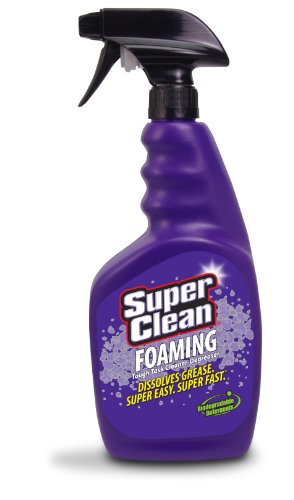
Some of the best-known brands on the shelf do not publish a factory. Meguiar's, founded in 1901 and now owned by 3M, is headquartered in Irvine, California, but its own site does not say where its waxes and compounds are made. Mothers, of Huntington Beach, California, does not say either. Turtle Wax, of Lombard, Illinois, has overseas manufacturing, so its origin varies by product. Rain-X's owner, ITW Global Brands, lists a Houston address, but the brand does not say where its glass treatments are made today. SuperClean, of Eagan, Minnesota, does not state where its degreasers are made. For all five, read the country of origin printed on the bottle you are holding.
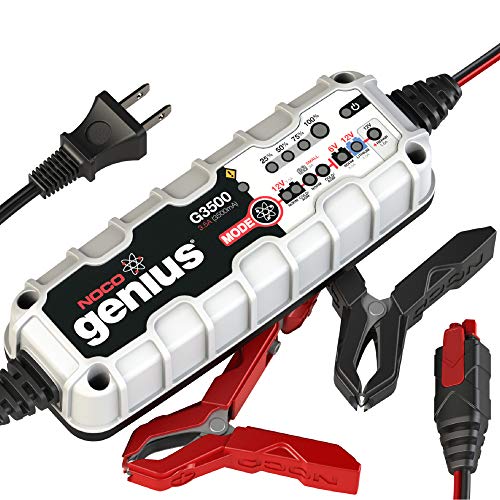
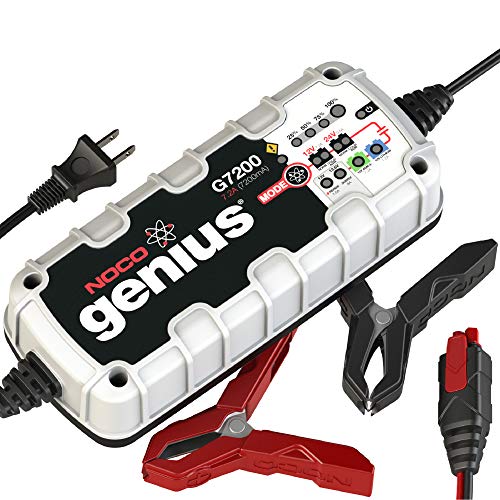
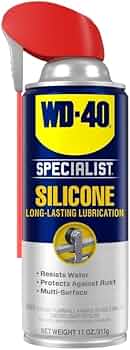
WD-40 was invented in San Diego in 1953, and the company now uses contract fillers in the US and eleven other countries. NOCO, the Cleveland battery charger company, says its products are designed and engineered in the USA, which is a different claim from made here.
If you want the same jobs done by a named US plant, Stoner's Invisible Glass, Griot's or Malco waxes, and PB B'laster cover most of what these brands sell.
Floor liners from Bolingbrook and Lawrenceville, bed systems from Defiance
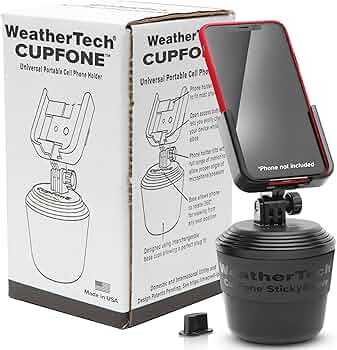
WeatherTech makes its floor liners, cargo liners, TechLiner bed liners and CupFone mounts on its campus in Bolingbrook, Illinois, and puts its US-made share at over 95 percent. Husky Liners, which started in Winfield, Kansas in 1988 and is now a RealTruck brand, makes its Weatherbeater and X-act Contour liners in Lawrenceville, Georgia. Both are custom-fit to a vehicle's year and model; pick by fit and edge height, since a liner with a tall lip holds snowmelt and a carpeted mat does not.
GG Bailey makes carpeted custom mats at its parent's plant in Calhoun, Georgia, but says its products are made in the USA and Switzerland without saying which set comes from where. BedRug assembles its bed mats and tailgate mats in Tennessee from globally sourced materials. DualLiner made its fitted truck bed liners in West Bend, Wisconsin.
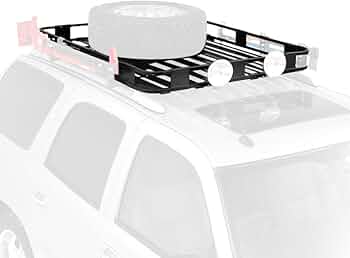
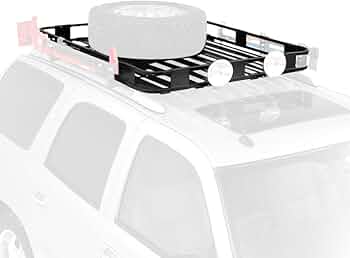
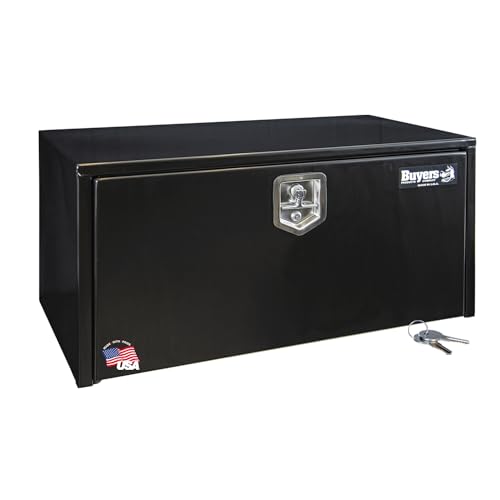
For storage, DECKED builds truck bed drawer systems in Defiance, Ohio. Buyers Products makes steel underbody tool boxes and is based in Mentor, Ohio. Surco has made aluminum van racks, Safari roof baskets and RV ladders in Los Angeles since 1971. Vehicle OCD console organizers are injection molded at BaseLayer's Midwest facility, city not named.
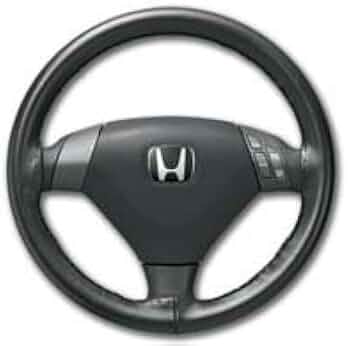
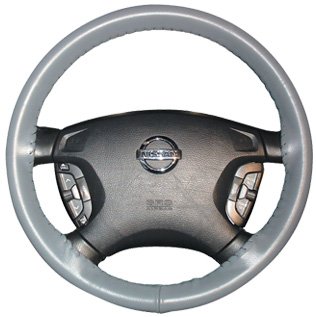
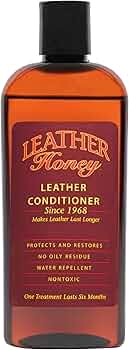
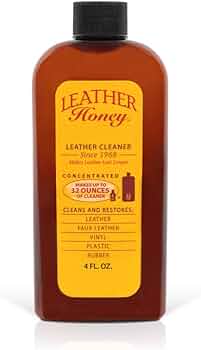
For the cabin, Saddleman says all its custom seat covers are made in the USA and cut on its own machines; its address is in Woodland Park, New Jersey. Covercraft sews custom car covers in the USA and runs plants in both the US and Mexico, and its Carhartt SeatSaver covers are labeled made in North America. Wheelskins hand-sews leather steering wheel covers in Ohio from domestic cowhide. Leather Honey makes its leather conditioner and cleaner in the USA, with a returns address in Kearneysville, West Virginia. Dynamat says its butyl sound-deadening mats are made in the USA; the company was founded in Hamilton, Ohio and does not name a separate plant.
For trim, QAA laser-cuts 304 stainless trim in Westford, Massachusetts, and American Car Craft builds stainless and carbon fiber trim to order in Hudson, Florida. Blue Ridge Overland Gear sews MOLLE pouches and seat-back panels in Bedford County, Virginia. Arotags laser-cuts wooden air fresheners from Midwestern poplar in Concord Township, Ohio; the fragrance oil origin is not stated.
Oils, additives and shop chemicals from Corydon, Superior, Porter and Tampa
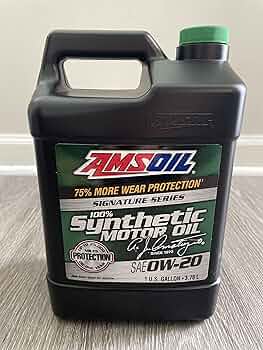
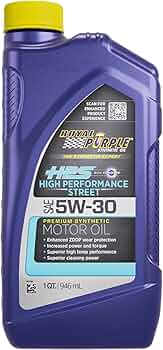
Lucas Oil lists one manufacturing facility, in Corydon, Indiana, with headquarters in Indianapolis. It makes oil stabilizers, fuel treatments and motor oils, including a Hot Rod and Classic Car oil, though it does not print an origin line on each bottle. AMSOIL, headquartered in Superior, Wisconsin, says it formulates, blends and packages its synthetic oils in the US, using global components. Royal Purple blends HPS motor oils and Synchromax fluids at its plant in Porter, Texas, north of Houston. ExxonMobil's Beaumont, Texas complex makes Mobil 1 base stock and runs a blending and packaging plant. In Tampa, Florida, AMALIE blends motor oils, transmission fluids and greases, and Wolf's Head blends oils and grease at a plant on a deep-water dock at the port, with base stocks that may be imported.
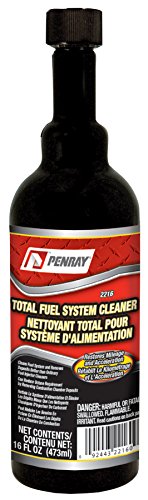
B'laster Corporation makes PB B'laster Penetrating Catalyst in Valley View, Ohio, where it says it fills 30,000 to 50,000 cans a day. Permatex makes gasket makers, threadlockers and sealants at its center in Solon, Ohio, and also runs operations in Canada, Mexico and the UK. Penray makes fuel additives and Pencool cooling system treatments at two Illinois plants, in Wheeling and Elk Grove Village. Star brite makes cleaners, waxes and fuel additives at its plant in Montgomery, Alabama. 303 Aerospace Protectant is labeled made in the USA by its owner Gold Eagle, which manufactures in Chicago.
If your engine has a flat-tappet camshaft, which covers most American V8s built before the 1990s, use an oil sold for classic engines with higher zinc (ZDDP) content. Modern API oils carry less zinc to protect catalytic converters.
Touch-up and spray paint: one Oregon mixer, three silent brands
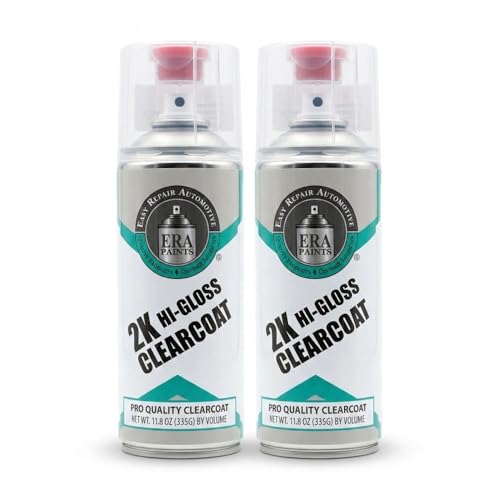
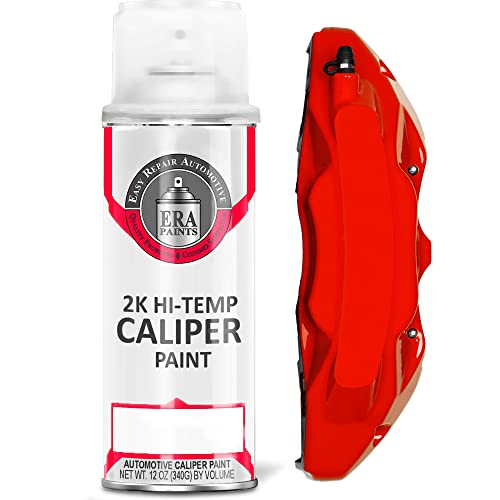
ERA Paints mixes OEM color-matched touch-up paint by hand at its facility in Tigard, Oregon, and says all its products are made in the US, though it does not name the plant that makes its base coatings or aerosol cans.
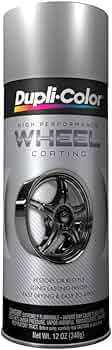
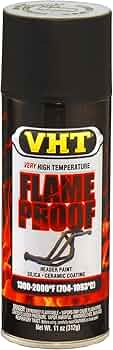
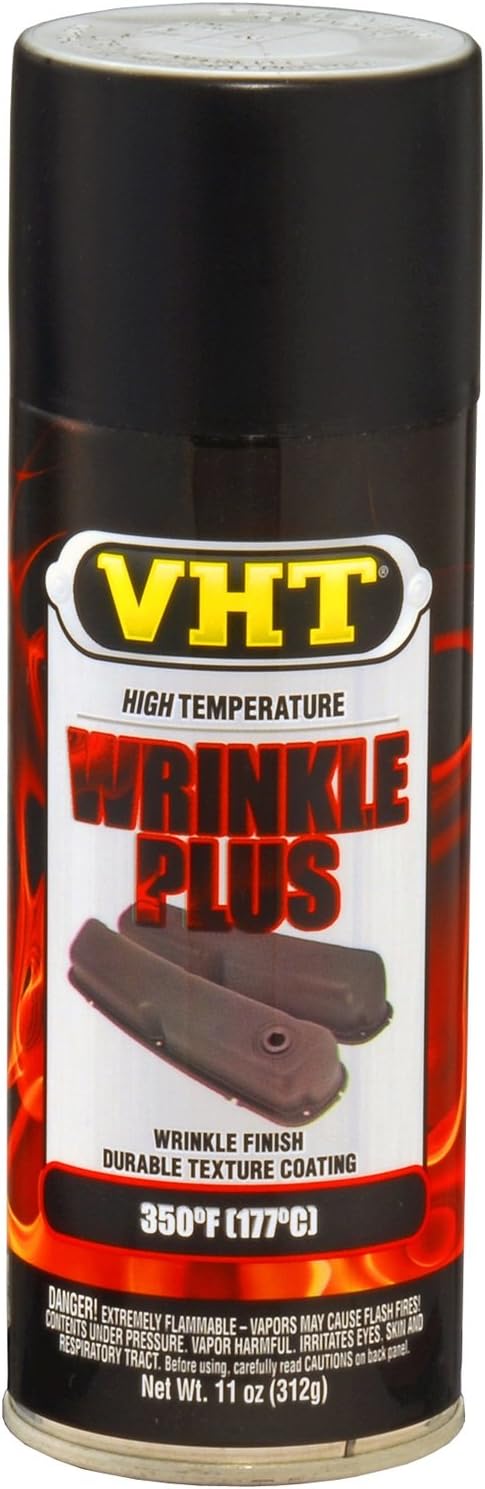
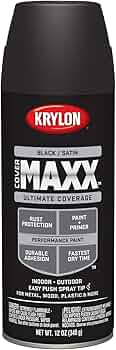
The Sherwin-Williams spray brands are harder to pin down. Krylon's COLORmaxx and Crystal Clear listings say the cans are made in the United States. Dupli-Color and its VHT high-heat line do not publish where their paint is made. Check the can.
Brakes, exhaust and parts: Camarillo, Corona and the brands that import
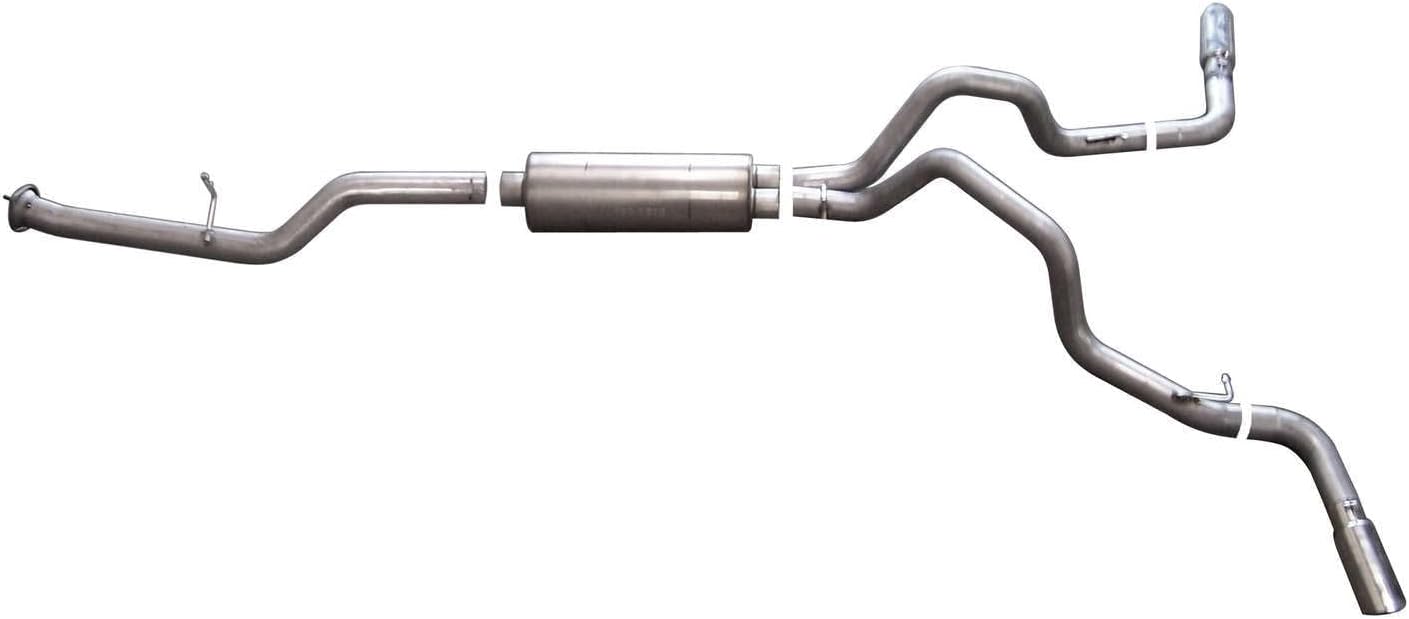
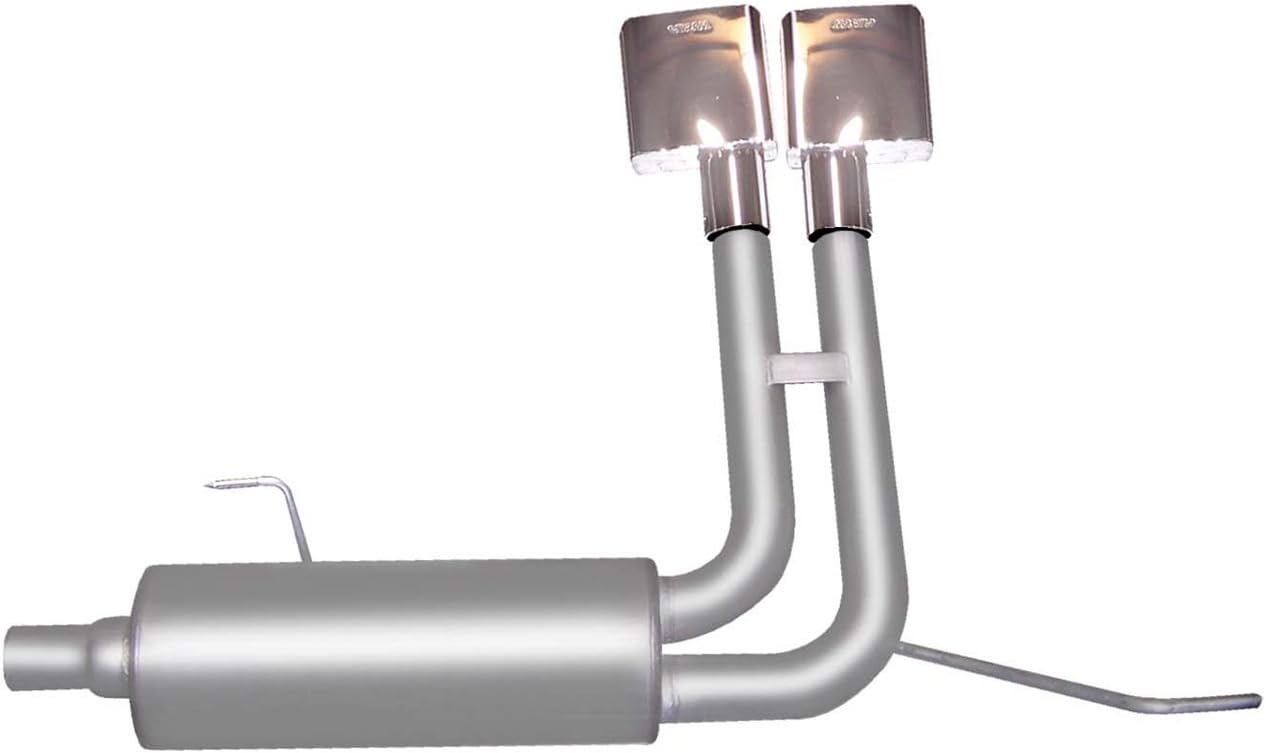
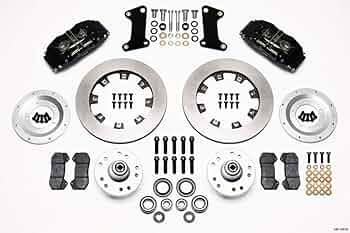
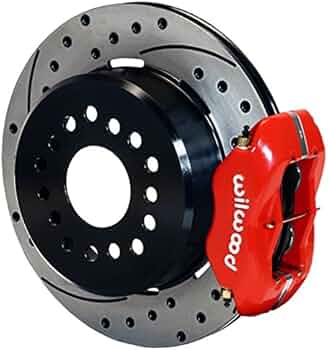
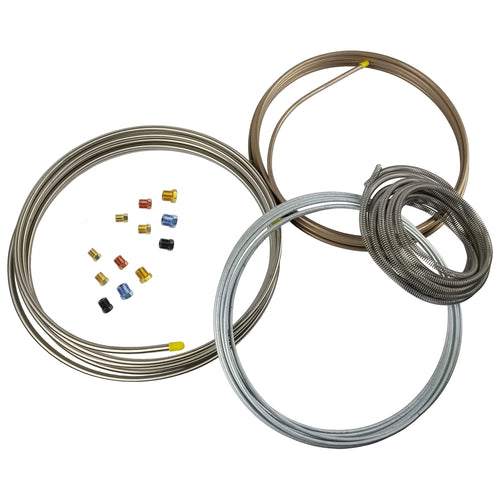
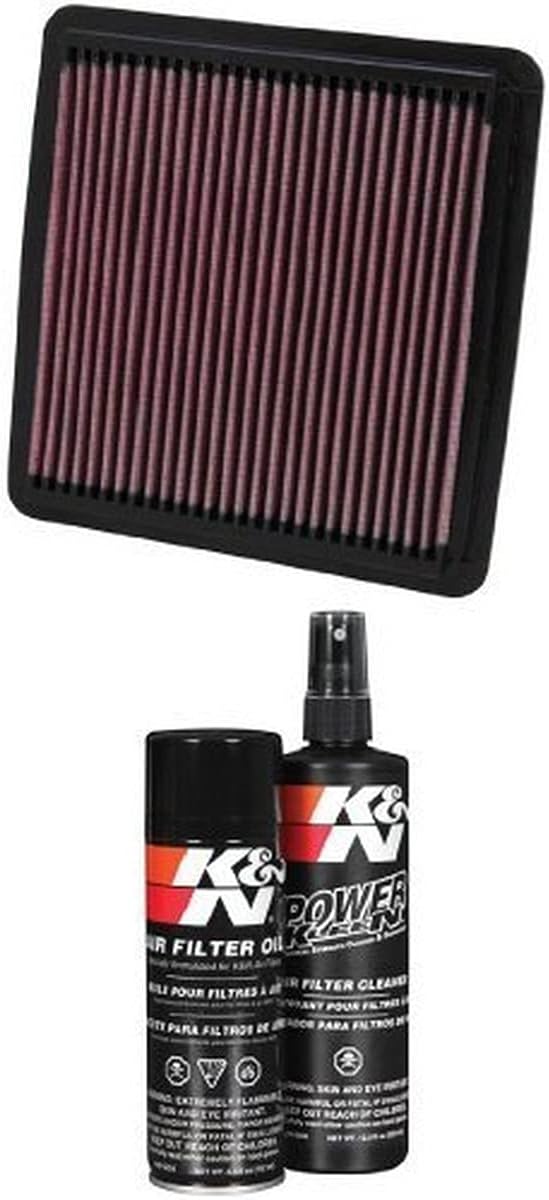
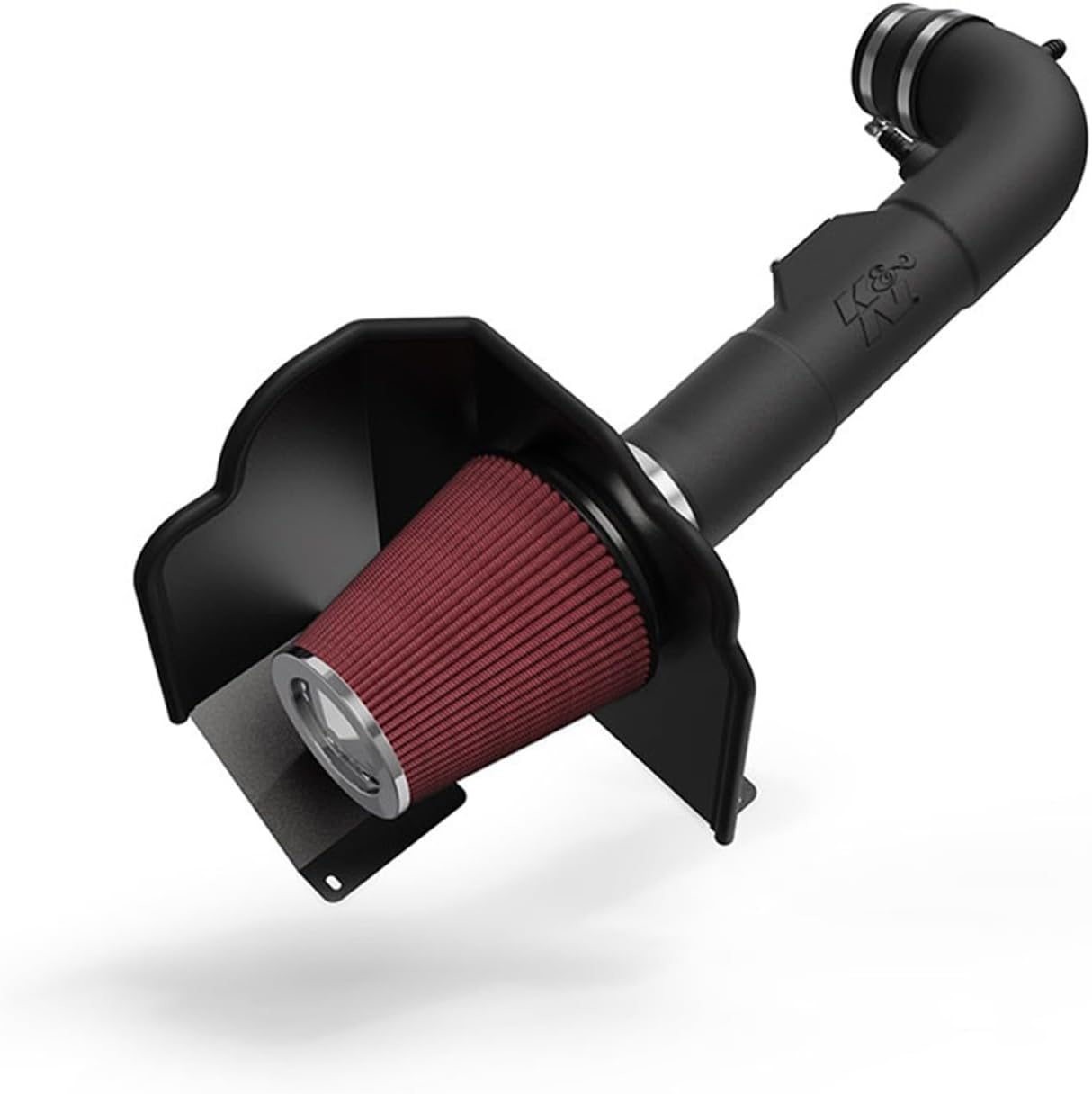
Wilwood Engineering designs and builds disc brake kits and calipers in Camarillo, California, where Bill Wood founded it in 1977. Gibson Performance Exhaust bends its cat-back and axle-back systems in a 100,000 square foot plant in Corona, California. K&N makes washable cotton air filters and cold air intakes in Riverside, California, but also runs plants in Texas, England, China and the Netherlands, so check the box. Inline Tube makes preformed brake, fuel and transmission lines in Shelby Township, Michigan. ProMAXX Tool of Pittsburgh says its exhaust manifold bolt repair kits and extractors are made in the USA. Votex machines stainless oil drain plugs in Wisconsin.
BFGoodrich builds its tires, including the All-Terrain T/A KO2, in Tuscaloosa, Alabama and Fort Wayne, Indiana. It announced in June 2026 that nearly all production will move to Fort Wayne, with Tuscaloosa closing by the end of 2028.
Flowmaster, now owned by Holley, says its Super HP-2 stainless mufflers are made in the USA, but its current pages do not say where most of its other mufflers are made. Air Lift, a family company in Lansing, Michigan since 1949, does not say where its air spring kits are made. Spectre Performance, a K&N brand, makes no US claim.
Replacement parts are mostly global. Dorman, of Colmar, Pennsylvania, makes drive shafts in Virginia Beach but says most of its light-duty parts come from outside suppliers, much of them overseas. Standard Motor Products builds sensors in Independence, Kansas and also in Mexico, Europe and Asia. ACDelco sources from many outside suppliers and makes no US claim, and Fel-Pro, with a site in Skokie, Illinois, does not publish an origin for each gasket.
Chargers, lights, flares and RV gear
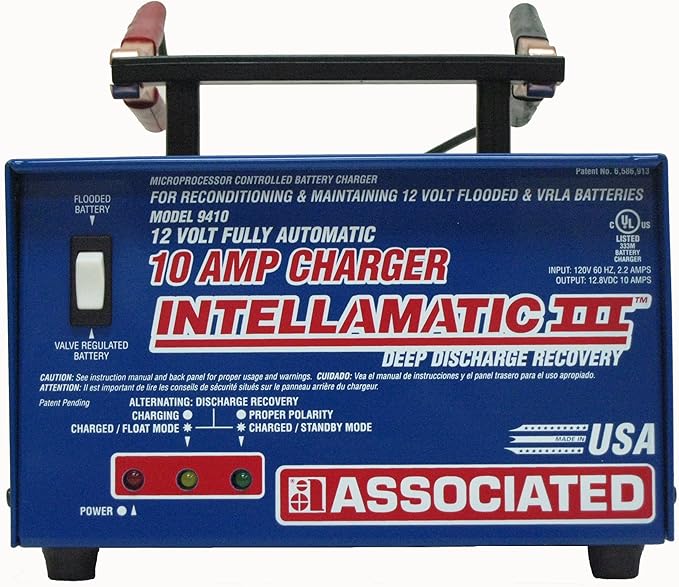
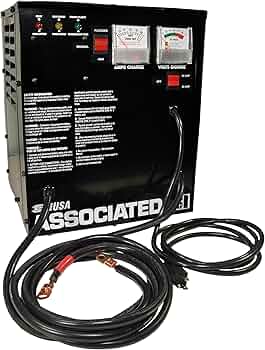
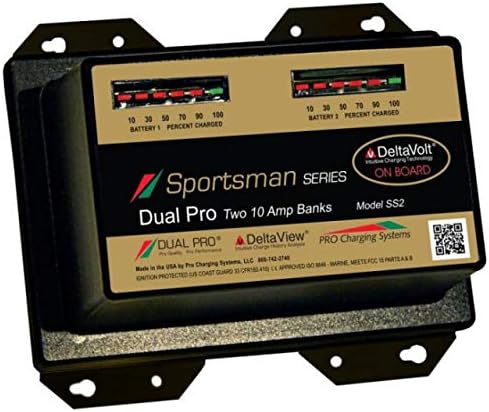
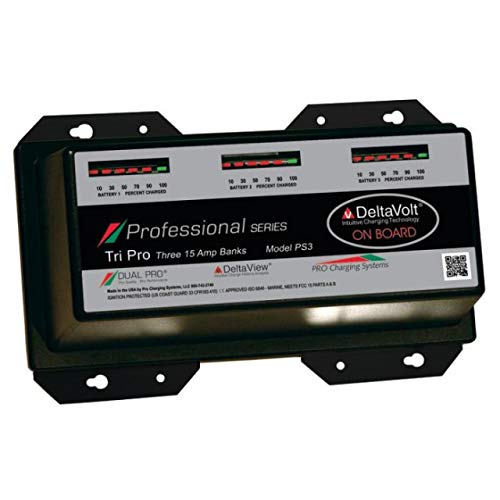
Dual Pro onboard marine chargers are made by PRO Charging Systems in LaVergne, Tennessee, which says it makes most, not all, of its products in the US. Associated Equipment makes professional battery chargers in St. Louis, Missouri, of US and global components, and also imports a separate ATEC line, so look for the Associated name on the unit. Command Electronics makes 12-volt RV lighting in Schoolcraft, Michigan and says over 80 percent of its products are made there.
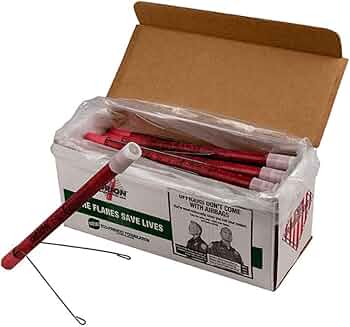
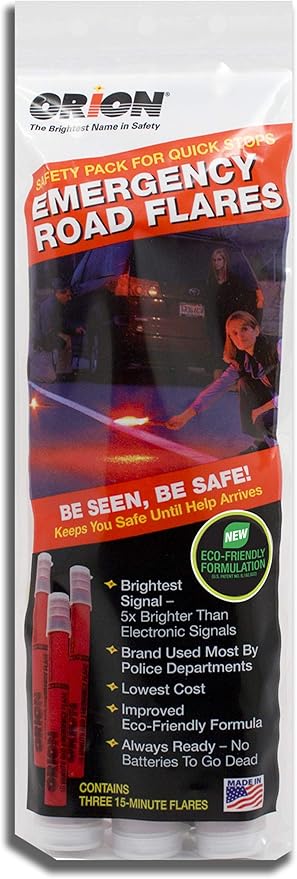
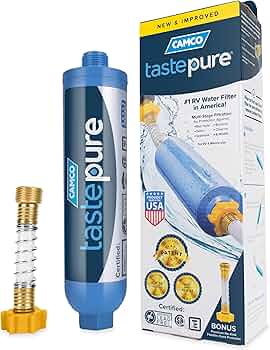
Orion makes road flares in Peru, Indiana and marine signals in Bristol, Pennsylvania. The flares in its roadside kits are its own, but the jumper cables and other extras in those kits have no stated origin. Camco, of Greensboro, North Carolina, makes some RV accessories in the USA and others in Vietnam or China, and its store lists the country for each item.
Browse All Automotive Products
See all 380 verified American-made automotive products in our catalog.
Frequently Asked Questions
Are WeatherTech floor liners made in the USA?
Yes. WeatherTech makes its floor liners, cargo liners and TechLiner truck bed liners on its campus in Bolingbrook, Illinois. The company puts its US-made share at over 95 percent, so a few items it sells are made elsewhere. Husky Liners, the other major custom-fit brand, makes its Weatherbeater and X-act Contour liners in Lawrenceville, Georgia.
Where is Lucas Oil made?
Lucas Oil lists one manufacturing facility, in Corydon, Indiana, with its headquarters in Indianapolis. It calls itself American-manufactured, and we found no Lucas product described as imported. Lucas does not print a country of origin on each product page, so its site does not tie each stabilizer, fuel treatment or motor oil to the Corydon plant. Its offices in the UK, Ireland, Canada and Mexico are listed as contacts, not plants.
Are Meguiar's and Turtle Wax made in the USA?
Neither brand gives a clear answer. Meguiar's, owned by 3M and headquartered in Irvine, California, does not say on its own site where its products are made. Turtle Wax, of Lombard, Illinois, has overseas manufacturing, so origin varies by product. Read the label on each bottle. For waxes and washes from a named US plant, Griot's Garage mixes its liquids in Plainfield, Indiana and Malco makes its line in Barberton, Ohio.
What is the difference between PB B'laster and WD-40?
WD-40 is a water-displacing lubricant and light corrosion inhibitor. PB B'laster is a penetrating oil made to wick into rusted threads and free seized bolts. Spray the fastener, let it sit at least 15 minutes, or overnight on badly rusted parts, then try it. B'laster makes PB B'laster in Valley View, Ohio. WD-40 is filled by contract manufacturers in the US and eleven other countries.
How can I tell which plant made a BFGoodrich tire?
Read the DOT code on the sidewall. The first two or three characters after the letters DOT are the plant code, which identifies the factory that built that individual tire. BFGoodrich builds tires in Tuscaloosa, Alabama and Fort Wayne, Indiana, and does not say which plant makes each All-Terrain T/A KO2 size. The company announced in June 2026 that nearly all production will consolidate in Fort Wayne, with Tuscaloosa closing by the end of 2028.