Best American-Made Coffee: US Roasters and Hawaii-Grown Beans
Coffee grown and roasted in Hawaii, and imported beans roasted in Oregon, Arkansas, Virginia, Michigan and Iowa.
Quick Answer
The only coffee here grown in the US is Hawaiian: Kauai Coffee Company grows, roasts and packs 100% Hawaiian coffee on its estate near Koloa, Kauai. Every other brand roasts imported green beans in the US, including Stumptown in Portland, Oregon and New York, Onyx Coffee Lab in Rogers, Arkansas, Red Rooster in Floyd, Virginia and Paramount in Lansing, Michigan.
Last updated: October 2026
Made in USA Food & Beverages: by the numbers
- 878 verified American-made food & beverages products from 164 U.S. brands in the catalog, each checked against its factory location and its own statements.
- Top manufacturing states for these brands: California (9 brands), Oregon (9 brands), Vermont (9 brands).
- U.S. manufacturing employed 12.6 million Americans as of May 2026 (U.S. Bureau of Labor Statistics), and 70% of consumers say buying American-made is at least somewhat important to them (DuraPlas survey, Feb 2025).
Catalog figures recompute at every site build. More data and sources on our American manufacturing statistics page.
Quick Comparison
What Made in USA means for coffee
Coffee does not grow in the continental US. Almost every bag sold here holds beans grown in countries such as Colombia, Ethiopia, Guatemala and Brazil, shipped green and roasted in the US. When a roaster says its coffee is made in the USA, it means the roasting and packing happened here, not the farming. That is still real work: roasting decides much of how a coffee tastes, and the roasters below do it in their own towns.
The exception is Hawaii, the one US state with a commercial coffee crop. Kauai Coffee Company and Kona Joe both farm there, but the coffees we list from them are different things, so read the bag.
This guide names where each brand roasts, which ones say where their beans come from, and which ones do not name a town. Three brands here, Black Rifle Coffee Company, Vermont Coffee Company and BLK & Bold, say they roast in the US but publish less about where, or from which farms, than the specialty roasters do.


Coffee grown in Hawaii: Kauai and Kona
Kauai Coffee Company farms a former sugar plantation near Koloa on Kauai's south shore. The land began in the early 1800s as McBryde Sugar Company and was turned over to coffee in 1987. The estate now has more than 4 million coffee trees, and the company says that makes it the largest coffee grower in Hawaii and in the US. It says its coffee is roasted and packaged on the estate. The harvest runs from mid-October to early December, and the wet mill takes in an average of 650,000 pounds of cherries a day in season. We list its Single Origin Dark Roast ground and Single Origin Medium Roast whole bean. Since 2011 the estate has been owned by Massimo Zanetti Beverage Group. Look for "100% Hawaiian Coffee" or "100% Kauai Coffee" on any bag.
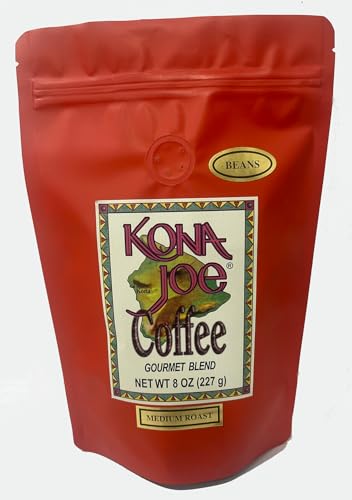
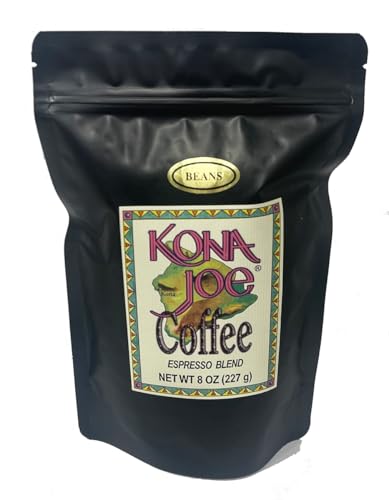
Kona Joe Coffee grows trellised 100% Kona coffee on its farm in Kealakekua, on the Big Island. The coffees we list are not those. Kona Joe's own pages say its Gourmet Blend uses specialty coffees from outside the Kona region, its Espresso Blend is built on that blend, and its Decaf Gourmet Blend is also blended from coffees grown outside Kona. The pages do not say which countries the beans come from or where the blends are roasted. For coffee grown on the farm, buy its 100% Kona line.
Specialty roasters in Portland, Rogers and Floyd
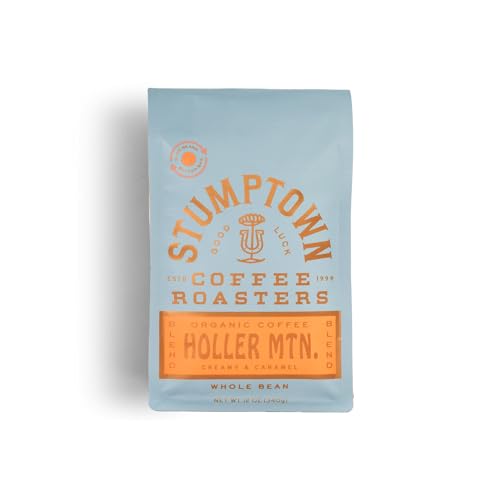
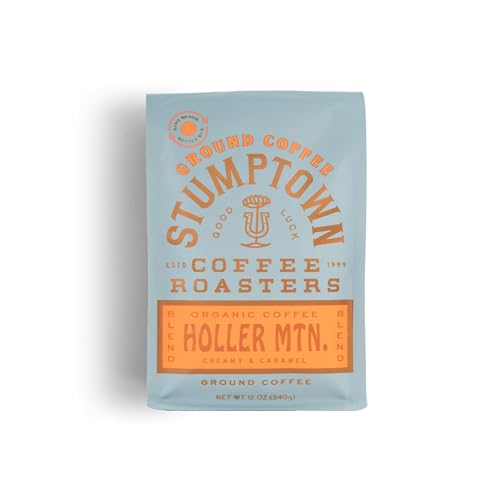
Stumptown opened its first cafe in 1999 on Southeast Division Street in Portland, Oregon, in a former beauty parlor called Hair Bender, which became the name of its signature blend. It started on a single small vintage Probat roaster and still roasts on Probats. Its wholesale FAQ sets separate order cutoffs for its Portland and New York roasteries, so a bag of Hair Bender, Holler Mountain or Founder's Blend is roasted at one of the two. Stumptown began buying green coffee directly from farms in 2003, starting with Finca El Injerto in Guatemala.
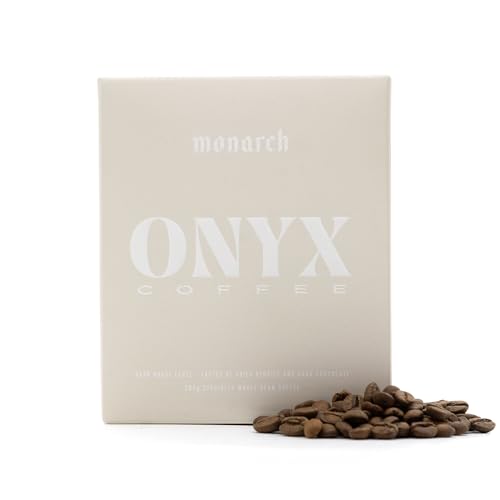
Onyx Coffee Lab was founded in 2012 by Andrea and Jon Allen and roasts and bags its coffee at its headquarters, The 1907, in downtown Rogers, Arkansas, which opened in 2019 with six roasters. Monarch and Geometry are blends of Colombian and Ethiopian coffee, and Southern Weather is another house blend. Onyx publishes what it paid for each coffee and who it bought from, which makes it easy to check where a bag started.
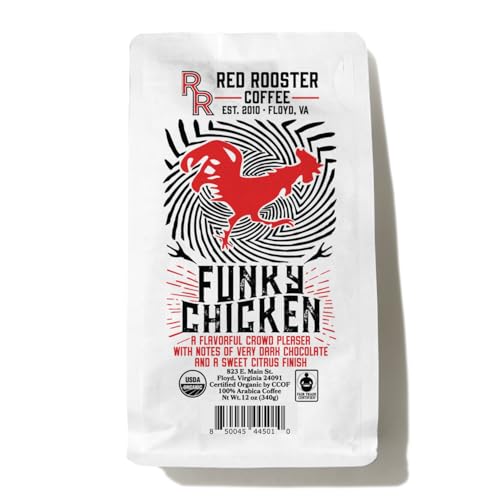
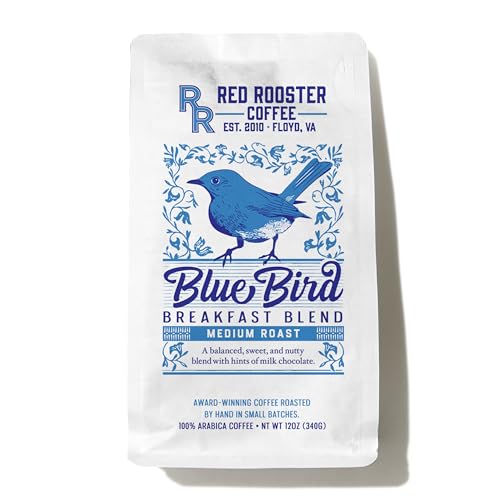
Red Rooster Coffee opened in 2010 in Floyd, Virginia, a town of 432, to roast for the owner's coffee house. It now employs nearly 50 people, roasts in Floyd and packs its coffee in bags it says are manufactured in Virginia. Funky Chicken and Starr Hill Stout come in organic versions, and single origins include the Ethiopia Worka Sakaro.
Everyday ground coffee and pods
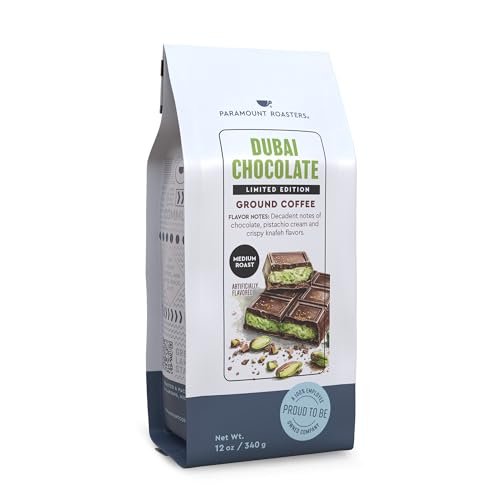
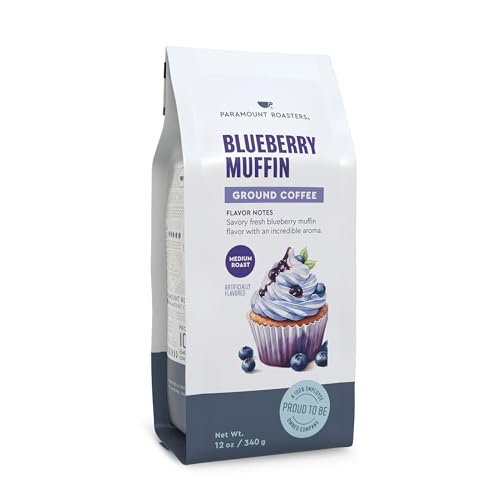
Paramount Coffee Company was founded in mid-Michigan in 1935 and roasts, blends and packages coffee at 5133 W Grand River Ave in Lansing, Michigan. It has been 100% employee-owned through an ESOP since 2000. It uses 100% Arabica beans, and the Paramount Roasters coffees we list are flavored medium roasts such as Blueberry Muffin, Coffee Cake and Banana Pudding, ground and in pods.
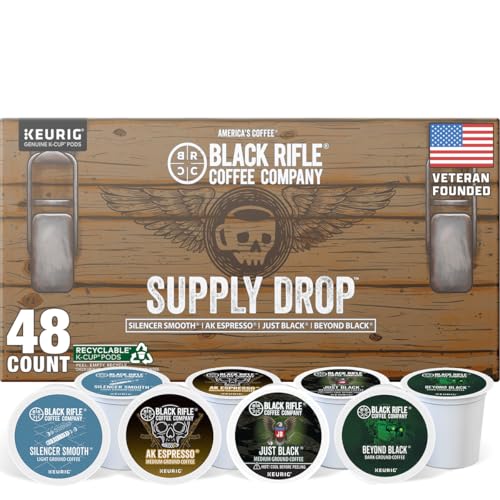
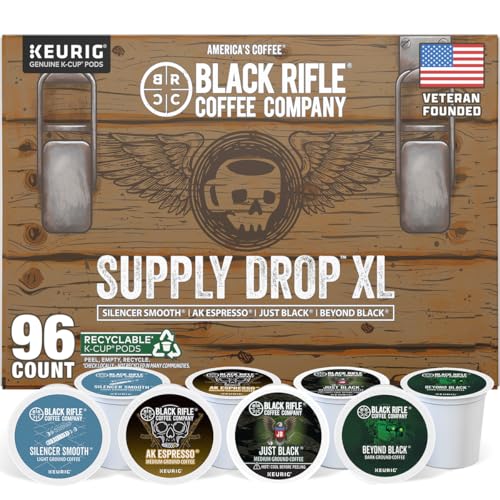
Black Rifle Coffee Company was founded in 2014 by Evan Hafer, a former Green Beret, and is headquartered in Salt Lake City. Its beans come from growing regions such as Guatemala, Brazil and Colombia, and it says it roasts five days a week on Burns cast-iron drum roasters in the USA. Its current pages do not name the roasting city, and its filings list reliance on co-manufacturers. Just Black, Spirit of 76 and Tactisquatch come ground, and Just Black and a variety pack come in K-Cup pods.
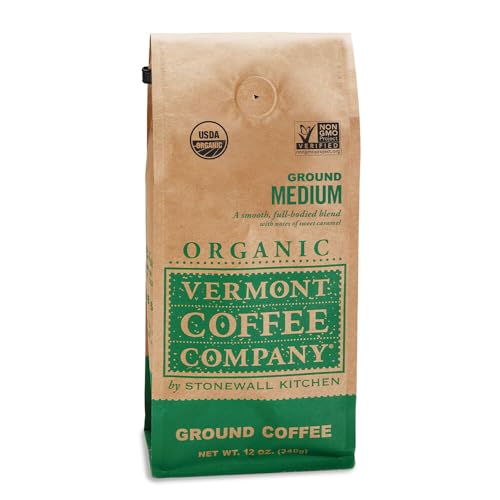
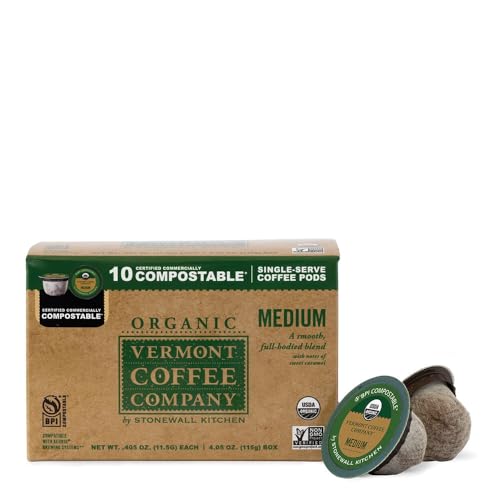
BLK & Bold was started in Des Moines, Iowa in 2018 by Pernell Cezar and Rod Johnson. Its FAQ places its operations in Des Moines, where it roasts and packs, and it pledges 5% of gross profits to youth groups. Vermont Coffee Company, started in 2001 and now a Stonewall Kitchen brand, sells organic arabica ground coffee and compostable pods and says the beans are slow-roasted using renewable energy, but does not name the town where they are roasted.

How to choose and brew
Decide first whether you want US-grown coffee or US-roasted coffee. If it has to be grown here, it has to be Hawaiian, and the label should say 100% Hawaiian or 100% Kona. A bag from a Hawaii company that gives no percentage may contain little or no Hawaiian coffee, as Kona Joe's own blend pages show.
For US-roasted coffee, buy whole bean when you can and grind it just before brewing; ground coffee goes stale faster. Light roasts, like Onyx Geometry or Stumptown Founder's Blend, keep more of the bean's origin flavor and acidity. Medium-dark and dark roasts, like Onyx Monarch or Black Rifle Tactisquatch, taste more of the roast itself and stand up to milk. Flavored coffees, like Paramount's, are a separate style.
For brewing, BUNN has been based in Springfield, Illinois since 1957. Its home brewers keep a tank of water hot so a 10-cup pot brews in a few minutes. BUNN says most of its commercial equipment is assembled in the USA; most of the home brewer listings we read give the United States as country of origin, and the company has described them as US-assembled with some imported parts.
In Rhode Island, coffee often goes into milk instead. Autocrat coffee syrup, sold by Finlays of Lincoln, Rhode Island, is the base of coffee milk, the state drink, though no first-party page says where the syrup is made.


Browse All Food & Beverages Products
See all 878 verified American-made food & beverages products in our catalog.
Frequently Asked Questions
Is any coffee grown in the USA?
Yes, in Hawaii, the only US state with a commercial coffee crop. Kauai Coffee Company grows coffee on an estate of more than 4 million trees near Koloa, Kauai, and says it roasts and packages on the estate. Kona coffee must be grown in the North and South Kona districts of the Big Island. Nearly all other coffee sold by US roasters is grown abroad and roasted here.
Is Kona Joe Gourmet Blend 100% Kona coffee?
No. Kona Joe's own product page says its Gourmet Blend is made from specialty coffees grown outside the Kona region, and its Espresso and Decaf Gourmet blends are built the same way. The pages do not name the countries the beans come from. Kona Joe does grow 100% Kona coffee on its trellised farm in Kealakekua, Hawaii, sold as a separate line that includes Estate Trellis Reserve and Peaberry.
Where is Stumptown coffee roasted?
Stumptown roasts at two roasteries, in Portland, Oregon and New York. Its wholesale FAQ sets separate daily order cutoffs for each, so a bag of Hair Bender, Holler Mountain or Founder's Blend comes from one or the other. The company was founded in Portland in 1999 and roasts on Probat machines. Its green coffee is grown abroad and bought through direct relationships with farms, starting in Guatemala in 2003.
Where is Black Rifle Coffee roasted?
Black Rifle Coffee Company says its coffee is roasted in the USA, five days a week on Burns cast-iron drum roasters, but its current pages do not name the roasting city. The company is headquartered in Salt Lake City, and its financial filings list reliance on co-manufacturers. Its beans are imported from growing regions such as Guatemala, Brazil and Colombia.