Is WeatherTech Made in the USA? The Complete Brand Story
Precision-engineered floor protection manufactured in Illinois — the full story of domestic investment, TPE material science, and why WeatherTech costs more than cheap imported alternatives.
Quick Answer
WeatherTech manufactures its FloorLiners, cargo liners, and automotive accessories at its 1-million-square-foot facility in Bolingbrook, Illinois, using American-made materials and American labor.
Last updated: April 2026
Made in USA Automotive: by the numbers
- 422 verified American-made automotive products from 83 U.S. brands in our catalog, each checked against factory locations and manufacturer statements.
- Top manufacturing states for these brands: California (15 brands), Ohio (12 brands), Florida (5 brands).
- U.S. manufacturing employed 12.6 million Americans as of May 2026 (U.S. Bureau of Labor Statistics), and 70% of consumers say buying American-made matters to them (DuraPlas survey, Feb 2025).
Catalog figures recompute at every site build. More data and sources on our American manufacturing statistics page.
Quick Comparison
| Product | Brand | Link |
|---|---|---|
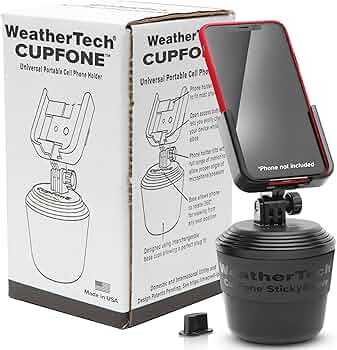
| WeatherTech CupFone Universal Phone Mount | WeatherTech | Shop Now |
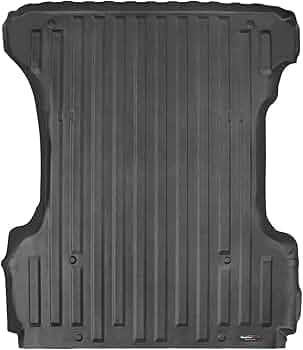
| WeatherTech TechLiner Custom Truck Bed Liner | WeatherTech | Shop Now |
| WeatherTech CupFone Universal Phone Mount | WeatherTech | Shop Now |
| WeatherTech TechLiner Custom Truck Bed Liner | WeatherTech | Shop Now |
| WeatherTech CupFone Universal Phone Mount | WeatherTech | Shop Now |
| WeatherTech TechLiner Custom Truck Bed Liner | WeatherTech | Shop Now |
| WeatherTech CupFone Universal Phone Mount | WeatherTech | Shop Now |
| WeatherTech TechLiner Custom Truck Bed Liner | WeatherTech | Shop Now |
Where WeatherTech Manufactures
WeatherTech operates one of the largest vehicle-specific manufacturing operations in North America from its headquarters and primary factory campus in Bolingbrook, Illinois, a suburb southwest of Chicago. The facility spans multiple buildings and covers 500,000+ square feet of manufacturing, tooling, and assembly space.
Inside the Bolingbrook campus, you'll find computer-controlled injection molding equipment that transforms proprietary thermoplastic elastomer (TPE) compounds into precisely fitted floor liners and cargo mats. The TPE material is a polymer blend designed specifically for automotive interior environments — it resists cracking in extreme cold (critical for winter climates in the upper Midwest), doesn't harden in summer heat the way cheaper polyurethane alternatives do, and maintains its shape through thousands of freeze-thaw cycles.
The manufacturing process starts with precision measurement data. WeatherTech maintains a digital database of laser-scanned interior dimensions for virtually every vehicle model sold in North America — measurements that account for model-year variations, transmission options, and regional trim differences. When a customer orders a floor liner for their 2024 Toyota 4Runner, that order triggers molding parameters derived from a laser scan of that specific vehicle's footwell. The result is a floor liner that fits with factory-precision tolerance, not the gap-prone generic fit of universal mats.
The company employs over 1,000 workers at Bolingbrook — a workforce that handles injection molding setup, quality control, assembly of multi-part products, packaging, and shipping. These are skilled manufacturing jobs: technicians who understand mold maintenance, operators who monitor injection parameters in real-time, and inspectors who verify fit and finish against proprietary standards. The average tenure of WeatherTech's Illinois workforce is measured in decades, not months, which reflects both job stability and the accumulated expertise required to maintain manufacturing excellence.
WeatherTech has invested hundreds of millions of dollars expanding the Bolingbrook facility over the past thirty years. Each investment cycle added molding capacity, thermoforming equipment for specialty products like sun shades and protective film, and assembly lines. The company's commitment to domestic manufacturing is not theoretical — it's expressed in capital expenditure that could have gone to cheaper production in Mexico or Southeast Asia.
WeatherTech Product Guide: FloorLiners, All-Protection Mats, and Cargo Liners
David MacNeil founded WeatherTech in 1989 with a straightforward observation: the automotive floor protection market was dominated by generic, ill-fitting products that looked functional in photographs but failed in actual use. Universal-fit floor mats left gaps that allowed water and salt to migrate underneath, defeating the entire purpose. Raised edges trapped dirt instead of channeling it. Materials degraded under UV exposure and extreme temperatures.
MacNeil's insight was that vehicle interiors are engineered to tight tolerances, and floor protection should match that precision. WeatherTech invested in measurement technology, mold design, and material science to build products that actually fit the vehicles they were designed for.
**FloorLiners** are WeatherTech's flagship product — floor mats that conform exactly to the shape of a vehicle's footwell. The channel-based design has raised edges that conform to the carpet edges where dirt and water naturally accumulate, and the TPE material flexes slightly to maintain contact with the floor across an entire vehicle's service life. A set of FloorLiners for a truck or SUV typically costs $150–$200, and they outlast the vehicle they're installed in with zero maintenance beyond occasional rinsing.
**All-Protection Mats** extend coverage to include the passenger-side floor area and lower door panels — a broader protection footprint for vehicles that frequently carry passengers or gear. The molded edges wrap slightly up the door sill, catching water that migrates horizontally during rain events or car washes.
**Cargo Liners** fit the cargo bay or truck bed. They're deeper than floor mats, with sidewalls that prevent cargo from sliding, and the TPE material resists the abrasion of equipment, tools, and goods shifting during transport.
**Seat Protectors, Sun Shades, and Protective Films** round out the product line. The seat protectors use similar precision-fit molding. The sunshades are thermoformed TPE that fit specific windshield and side-window dimensions. The protective films are adhesive-backed, custom-cut for bumpers and door handles — another application where precision fit prevents lift-edges and bubbling that plague generic films.
WeatherTech vs. Cheap Imported Alternatives
The floor protection aisle at big-box retailers is crowded with mats priced at $20–$60 that promise universal fit. These products are made from lower-cost polyurethane or rubber compounds, often imported from manufacturers in China or Vietnam, and sold under generic house brands or discount brand names.
The cheapest products feel thin and lightweight — a sign that the material formulation prioritizes cost over durability. Polyurethane becomes brittle in cold climates; the mat cracks at folds and stress points after a season or two of winter use. In summer, cheaper materials soften and warp, especially if parked in direct sun. Universal-fit design means the mat shifts inside the footwell, lifting at the edges where water collects.
Mid-tier imported mats ($40–$70) sometimes use thicker rubber compounds and claim "custom fit," but the fit tolerance is loose — the mat covers the general floor area but leaves gaps where salt-laden water accumulates. After one winter in a salt-use state, the carpet underneath begins to rot.
WeatherTech's TPE material costs significantly more than virgin polyurethane, and the precision molding adds manufacturing cost. The company's decision to keep manufacturing in Illinois rather than outsource to lower-cost countries compounds that expense. The result is a retail price that's 3–5x higher than the cheapest floor mat alternatives.
That price difference reflects three things: superior material science (TPE formulations that survive 20+ years of thermal cycling), manufacturing precision that requires tooling and equipment most competitors have abandoned, and a business model that accepts lower per-unit margins in exchange for customer retention and brand reputation. A WeatherTech customer buys once per vehicle and recommends the product to everyone they know. A customer who bought a $30 generic mat that degraded in one winter is unlikely to repurchase anything premium from that brand.
Where to Buy WeatherTech Floor Protection
WeatherTech products are available through the company's official website and major automotive retailers. The full catalog covers 200+ vehicle models with FloorLiners, and the majority of popular vehicles have All-Protection Mats and Cargo Liners available as well.
For a single vehicle, a FloorLiners-only purchase is the highest ROI. The front and rear liners provide comprehensive floor protection. For households with multiple vehicles, the per-vehicle cost decreases if purchased as a bundle.
For vehicles used in harsh winter conditions with road salt, the All-Protection Mat upgrade is worth considering — the extended coverage to door panels and passenger areas prevents water migration that leads to door-handle corrosion and interior water damage.
For trucks and SUVs that regularly carry cargo, the Cargo Liner complements FloorLiners by protecting the cargo area and preventing tool and equipment movement.
The Sun Shade and protective film products are optional upgrades; they address cosmetic and secondary concerns rather than core functionality.
Browse All Automotive Products
See all 422 verified American-made automotive products in our catalog.
Frequently Asked Questions
Where exactly is WeatherTech manufactured?
Every WeatherTech product is manufactured in Bolingbrook, Illinois, which is located in DuPage County in the Chicago metropolitan area. The facility is not a distribution warehouse — it's a 500,000+ square foot manufacturing campus with injection molding, thermoforming, assembly, and quality control operations.
How long do WeatherTech floor liners last?
WeatherTech floor liners are designed to outlast the vehicle they're installed in under normal use. The TPE material resists cracking, hardening, and degradation through 20+ years of thermal cycling. The product comes with a lifetime warranty covering manufacturing defects.
Why are WeatherTech mats more expensive than generic floor mats?
WeatherTech's premium pricing reflects three factors: (1) proprietary TPE material formulations that survive extreme temperatures and UV exposure, (2) precision injection molding that requires significant tooling and equipment investment, and (3) a decision to keep manufacturing in the USA rather than offshore to lower-cost countries. The company prioritizes longevity and fit precision over absolute cost minimization.
Does WeatherTech still use the same manufacturing process from 30 years ago?
No. While the core philosophy of precision-fit, American-manufactured floor protection has remained constant, the manufacturing equipment and TPE formulations have evolved significantly. The company invests continuously in newer molding equipment, tighter process controls, and improved material science — each upgrade funded by retained earnings and customer loyalty rather than private equity or cost-cutting pressures.