Best American-Made Car Care & Detailing Products
Floor mats, polishes, waxes, detailing chemicals, motor oils, and windshield treatments — professional-grade car care made in the USA.
Quick Answer
The best American-made car care products include Meguiar's from Irvine, California (since 1901), Chemical Guys from Gardena, California, and Stoner Car Care from Quarryville, Pennsylvania.
Last updated: April 2026
Made in USA Automotive: by the numbers
- 428 verified American-made automotive products from 84 U.S. brands in our catalog, each checked against factory locations and manufacturer statements.
- Top manufacturing states for these brands: California (15 brands), Ohio (11 brands), Florida (5 brands).
- U.S. manufacturing employed 12.6 million Americans as of May 2026 (U.S. Bureau of Labor Statistics), and 70% of consumers say buying American-made matters to them (DuraPlas survey, Feb 2025).
Catalog figures recompute at every site build. More data and sources on our American manufacturing statistics page.
Quick Comparison
| Product | Brand | Link |
|---|---|---|
| Meguiar's Gold Class Carnauba Plus Premium Liquid Wax 16oz | Meguiar's | Shop Now |
| Meguiar's Ultimate Compound 15.2 oz | Meguiar's | Shop Now |
| Stoner Invisible Glass Premium Glass Cleaner 15 oz | Stoner Car Care | Shop Now |
| Stoner Car Care Complete Car Care and Detailing Kit 159 Fluid Ounces | Stoner Car Care | Shop Now |
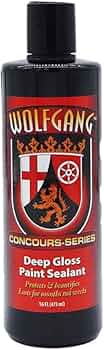
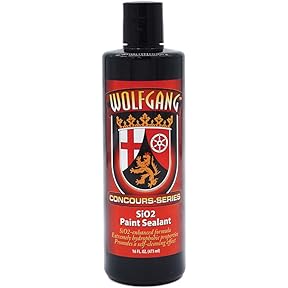
| Wolfgang Deep Gloss Paint Sealant 3.0, 16 oz | Wolfgang Concours Series | Shop Now |
| Wolfgang Concours Series Deep Gloss Spritz Sealant, 16 oz Spray | Wolfgang Concours Series | Shop Now |
| Surf City Garage Barrier Reef Carnauba Paste Wax 12 oz | Surf City Garage | Shop Now |
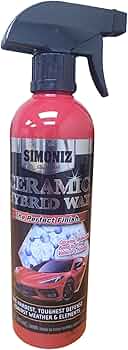
| Simoniz Ceramic Hybrid Wax Spray Coating 16 oz | Simoniz | Shop Now |
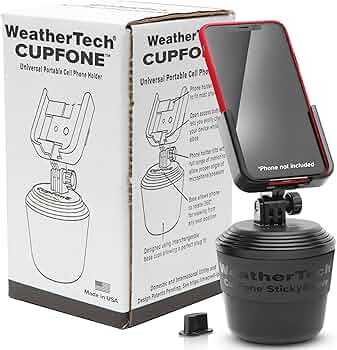
| WeatherTech CupFone Universal Phone Mount | WeatherTech | Shop Now |
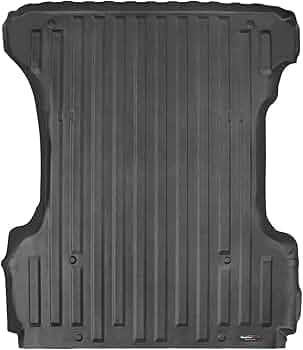
| WeatherTech TechLiner Custom Truck Bed Liner | WeatherTech | Shop Now |
Why Made-in-USA Matters for Car Care Products
Car care and detailing products carry a responsibility that differs from most consumer categories: they're applied directly to a vehicle's most visible and expensive surface, and the formula's quality determines both the result and the durability of the underlying paint. American-made detailing products are built on a foundation of chemistry and testing developed over decades in competitive regional markets — the detailing enthusiast communities of California, the automotive service center standards in the Midwest, and the restoration culture that spans the country.
Domestic manufacturing allows for consistency in formulation and quality control that imported products often cannot match. When a company manufactures its products in-house, the research, testing, and batch quality fall under direct oversight. This is particularly important for waxes, polishes, and compounds, where the particle size distribution and chemical composition determine whether you're enhancing your paint or damaging it. The stability of the manufacturing process ensures that a can of wax purchased in March performs identically to the same product purchased a year later.
The American car care brands covered in this guide have built their reputations on transparency about where products are made, what's in them, and what results to expect. Many offer direct channels to technical support — you can call the manufacturer with a question about application or product choice — rather than navigating a customer service center. This direct access to product knowledge reflects the regional heritage of these companies: they operate in communities where automotive culture runs deep.
For buyers who care about the origin of what touches their vehicle, American-made car care products represent a direct line from research to manufacturing to your garage. The brands in this guide are not generic commodity producers; they are specialists with decades of dedication to vehicle protection and restoration.
Exterior Detailing: Meguiars, Chemical Guys, and Stoner Car Care
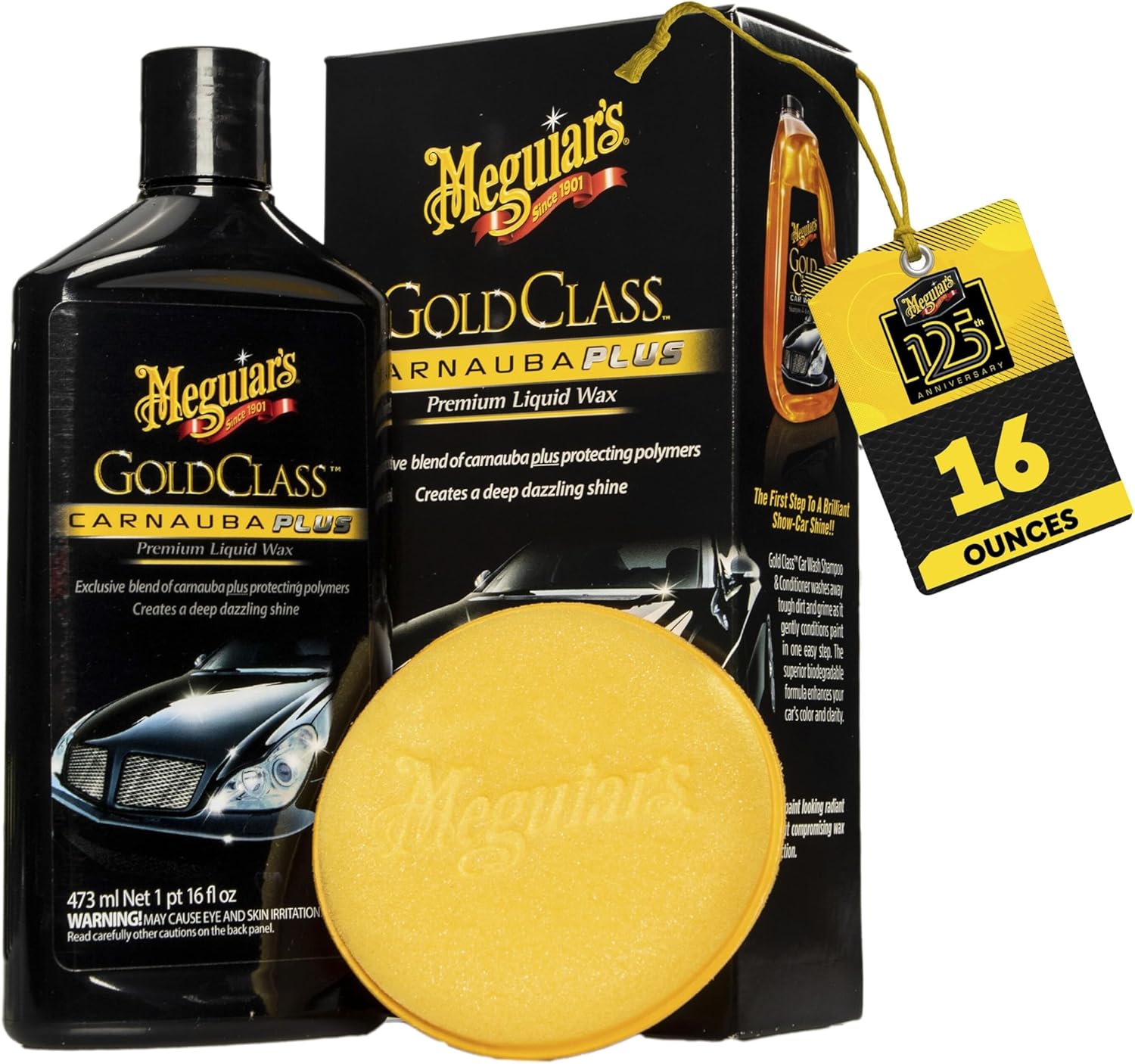
Meguiar's has been manufacturing car care products in California since 1901, with the current production facility in Irvine. The brand's history is rooted in professional detailing — their products were formulated first for auto body shops and professional detailers, then expanded to consumer markets. Meguiar's polishes, compounds, and waxes are known for producing consistent results across different paint types and conditions. The G17700 Ultimate Compound is a safe-use aggressive polish appropriate for removing moderate oxidation and paint overspray without requiring professional equipment; the formula works by hand or with a mechanical polisher. The G18211 Gold Class liquid wax is a pour-on application that dries quickly and produces a protective layer with visible gloss enhancement. For buyers new to detailing, Meguiar's is the least punishing brand if you make application mistakes — the products are forgiving of imperfect technique.
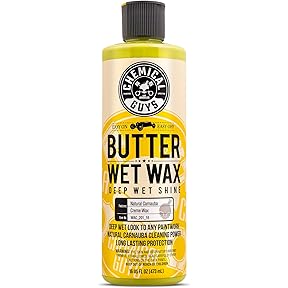
Chemical Guys manufactures car wash soaps, waxes, and detailing chemicals in Torrance, California. The brand targets enthusiasts and professional detailers who appreciate having separate products for specific tasks rather than multi-purpose cleaners. Their Maxi-Suds II foaming car wash soap is designed to create thick suds that cling to the vehicle, encapsulating dirt particles and rinsing cleanly without leaving residue. The formula is pH-balanced to not strip wax during the wash cycle — a meaningful distinction from many budget car soaps that require rewaxing after each wash. Butter Wet Wax is their flagship protective coating: a liquid synthetic wax applied after washing that adds both UV protection and water beading. Chemical Guys' approach appeals to buyers who have invested in paint protection and want to maintain rather than replace that protection with each wash.
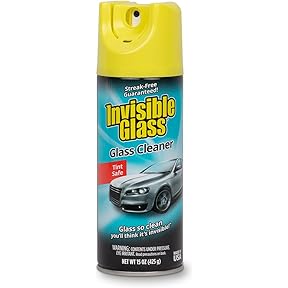
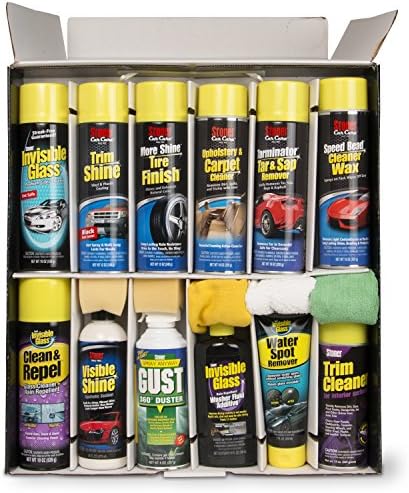
Stoner Car Care, based in Quarryville, Pennsylvania, manufactures glass cleaners and spray detailers. The Invisible Glass Premium glass cleaner is ammonia-free and tint-safe — formulated specifically for the increasing prevalence of ceramic-tinted windows in modern vehicles. The spray detailer formula creates a light protective layer and enhances gloss between washes, useful for maintaining appearance during the week between full detailing sessions. Both products are made in Pennsylvania and represent a regional company with genuine manufacturing roots rather than a brand that outsourced production to cut costs.
For a complete exterior detailing routine using American-made products: wash with Chemical Guys Maxi-Suds II, dry thoroughly, apply Meguiar's compound if oxidation is present, then finish with a quality wax. Stoner's glass cleaner and spray detailer bridge the gap between full washes. This combination covers the three primary exterior maintenance tasks — cleaning, correction, and protection — with products designed to work together.
Interior & Protection: WeatherTech and Rain-X
WeatherTech manufactures vehicle protection products in Bolingbrook, Illinois, with primary focus on floor mats, cargo liners, and window deflectors. The company was founded in 1989 by David MacNeil, who designed the first all-weather floor mat from a mold of his Mercedes-Benz to fit precisely rather than approximating the factory mat dimensions. This obsession with fit specificity defines WeatherTech's entire product line — each mat is engineered for a specific vehicle model, year, and drivetrain configuration. The digital dimple pattern on WeatherTech mats is designed to trap water and salt without pooling or damaging underlying carpets; the material is flexible enough to install easily but rigid enough to stay in place during acceleration and braking.
WeatherTech floor mats are the highest-cost option in the category — pricing typically runs $80-150 per set depending on vehicle — but the value proposition rests on durability and fit. A WeatherTech mat purchased for a 2018 vehicle will be dimensionally identical in 2026, which is unusual in a category where most mats are generic approximations. The mats are made entirely in the Bolingbrook factory and are guaranteed to fit without cutting, drilling, or modification. For buyers in climates with significant snow, salt, and moisture, WeatherTech mats address a specific problem that generic mats fail to solve: keeping water off the carpeting without requiring constant wringing out or replacement.
Rain-X Original Windshield Treatment is manufactured in the USA and applies as a clear liquid that dries to a water-repellent surface coating. The treatment causes water to bead and run off the glass rather than creating a film that obscures vision. Application is simple: apply to clean dry glass, let cure for 48 hours, then activate by rinsing with water. The treatment is effective for three months under normal conditions. Rain-X is particularly valuable in climates with frequent rain because it reduces the need for windshield wipers at low speeds and improves visibility in heavy rain when visibility matters most. The product is less critical in dry climates but offers some UV protection and makes the glass slightly easier to clean.
Interior protection extends beyond mats and windshield treatment: high-end vinyl or leather seats benefit from dedicated conditioners, and windows from protective coatings. WeatherTech provides the mechanical protection layer; Rain-X handles the optical surface. Together, they address the two primary interior maintenance needs: protecting from moisture and maintaining visibility.
Engine & Lubrication: AMSOIL, Royal Purple, and Lucas Oil
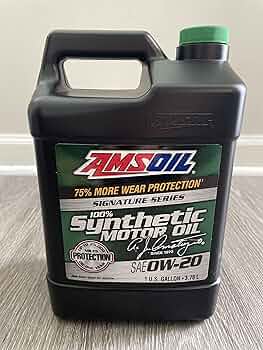
Motor oil is the single most important maintenance fluid in a vehicle, and the decision between conventional mineral oil and synthetic lubricants has become the primary choice point for informed buyers. AMSOIL, headquartered in Superior, Wisconsin, manufactures premium synthetic motor oils and lubricants with a focus on extended service intervals and high-temperature stability. AMSOIL's Signature Series synthetic motor oil is formulated to maintain viscosity and protection across temperature ranges and extended use periods — the company backs their products with extended drain interval recommendations (up to 25,000 miles) compared to conventional oil's typical 5,000-mile intervals.
The chemistry behind synthetic motor oils is different from mineral oil: rather than refining crude oil, synthetic lubricants are engineered from base stocks to precise specifications. This allows manufacturers to remove impurities that accumulate in mineral oil over time, resulting in cleaner combustion and longer engine life. AMSOIL synthetic oils are made in the USA and represent a domestic alternative to imported synthetics. For owners of performance vehicles or those with extended service intervals, AMSOIL's formulation provides measurable benefits in engine cleanliness and protection.
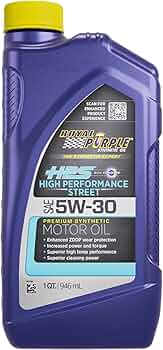
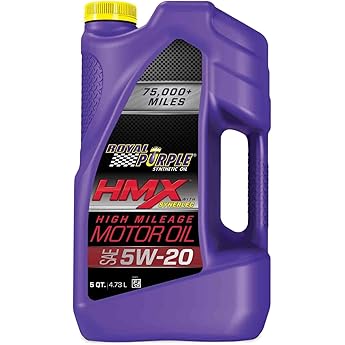
Royal Purple produces high-performance synthetic oils in Porter, Texas, with a focus on extreme-temperature protection. The brand's Synerlec additive package is proprietary and designed for engines operating at the edges of normal parameters — racing engines, high-boost turbo applications, and severe-duty industrial equipment. Royal Purple HPS (High Performance Street) is the consumer version: a synthetic oil formulated for performance driving and modified engines. The product is made domestically and appeals to enthusiasts who have upgraded their engines beyond factory specifications. For a stock-engine driver, Royal Purple is over-engineered; for someone running higher boost pressure or nitrous systems, it's the practical choice.
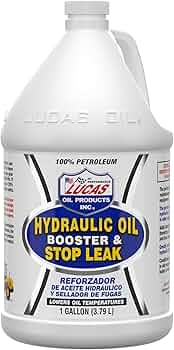
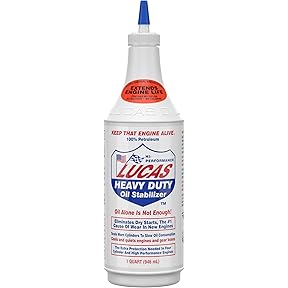
Lucas Oil is a California company producing oil additives and performance lubricants. Lucas Heavy Duty Oil Stabilizer is a thick additive mixed into crankcase oil to increase film strength and reduce friction. The stabilizer is useful in high-mileage engines where bearing clearances have opened slightly over time, or in new engines running hard. The product doesn't replace oil — it augments the oil's protective properties. For owners of classic vehicles or those with older engines still running strong, Lucas Oil additives provide a way to extend engine life without a full rebuild.
Chosen correctly, motor oil is the most cost-effective maintenance item on a vehicle. The difference between conventional and quality synthetic oil over 100,000 miles is the difference between engine life at 120,000 miles and engine life at 200,000+ miles. AMSOIL represents the domestic synthetic choice; Royal Purple serves performance applications; Lucas Oil provides additives for engines that need extra protection. The correct choice depends on your engine, driving style, and maintenance goals.
The Wash-Wax-Seal Process: How to Detail Your Car Like a Professional
Professional detailers use a standardized three-step process for paint protection, and this process translates perfectly to DIY detailing with consumer-grade products. Understanding the sequence and the purpose of each step transforms detailing from a chore into a productive maintenance routine.
Step One: Wash. The first step removes loose dirt, salt residue, and environmental contaminants from the paint. Use a pH-balanced car wash soap (like Chemical Guys Maxi-Suds II) mixed with warm water in a bucket. The key principle is a two-bucket system: one bucket for soapy water, one bucket of clean rinse water for your wash mitt. Dip the mitt in soapy water, work a small section of the vehicle from top to bottom (dirt runs down), then rinse the mitt in clean water before dunking it back in soap. This prevents dragging dirt across the paint. Wash the entire vehicle using this technique, then rinse thoroughly with a hose. Dry the vehicle completely with a microfiber drying towel to prevent water spots.
Why this matters: water and detergent alone can damage paint if left to dry on the surface. Professional detailers dry immediately after rinsing. The two-bucket system prevents contaminating your wash solution, which would undo the cleaning effort.
Step Two: Correction (if needed). If the paint has oxidation, swirl marks, or overspray after washing, a compound or polish removes these defects before applying protective coatings. Meguiar's Ultimate Compound is appropriate for most DIY applications: it removes light to moderate oxidation and can be applied by hand, though a mechanical polisher gives faster and more uniform results. Apply the compound to a small section (two feet by two feet), work it in with circular motions, then buff off with a microfiber cloth. Repeat across the vehicle. This step is optional if the paint is clean and shiny after washing — not every detail requires correction.
Why this matters: protective waxes and coatings adhere better to clean, unoxidized paint. Skipping this step on oxidized paint means protecting defects rather than fixing them.
Step Three: Protection. Apply a quality wax or protective coating. Chemical Guys Butter Wet Wax or Meguiar's Gold Class are liquid products that pour onto an applicator pad, work onto the paint in thin sections, dry to a haze, then buff off with a microfiber cloth. The result is a protective layer that repels water and provides UV protection. Reapply every three months for consistent protection, or when water no longer beads on the paint surface.
Why this matters: wax creates a sacrificial layer that weathers exposure before the underlying clearcoat does. Regular waxing is cheaper than repainting.
Frequency: A typical schedule for an active driver is a full wash-wax cycle every three months, with interim washes and spray detailing as needed. This keeps the paint protected without overworking the surface. In harsh climates (salt spray, intense UV), monthly waxing extends protection. In mild climates, every six months is sufficient.
Tools needed: microfiber wash mitt, two buckets, microfiber drying towels, applicator pads for wax, and microfiber buffing cloths. The investment is roughly $50-75 in reusable tools. Quality tools make a meaningful difference in the final result and reduce the likelihood of swirl marks or contamination.
Browse All Automotive Products
See all 428 verified American-made automotive products in our catalog.
Frequently Asked Questions
Is WeatherTech actually made in the USA?
Yes. WeatherTech is manufactured in Bolingbrook, Illinois. Every floor mat, cargo liner, and window deflector is made in the company's US facility. The company has grown domestically since 1989 and has never outsourced manufacturing to overseas suppliers. WeatherTech floor mats come with a Lifetime Warranty against defects.
What's the difference between Meguiars compound and polish?
Meguiar's Ultimate Compound contains larger abrasive particles and removes oxidation and moderate defects. Polish has finer particles and is used after compound to refine the paint finish before waxing. For most DIY detailing, compound alone is sufficient if oxidation is light to moderate. Professional detailers use both in sequence on heavily oxidized paint: compound first to remove defects, then polish to refine the result.
Is synthetic motor oil worth the higher cost?
For extended service intervals, yes. Synthetic oil like AMSOIL allows drain intervals of 10,000-25,000 miles versus conventional oil's 5,000-mile interval. Over 100,000 miles, a vehicle using synthetic oil requires fewer oil changes and maintains cleaner combustion. The per-mile cost of synthetic oil is lower than conventional even though the per-quart price is higher. For high-performance or turbocharged engines, synthetic oil provides measurably better protection.
How long does wax protection last?
Quality wax protection typically lasts three to four months under normal conditions. In harsh climates with heavy rain, snow, or intense UV, protection may wear faster. You can test wax durability by spraying water on the paint — if it beads and runs off, protection is still active. If water sheens instead, it's time to rewax.
What's the best car wash soap to use with existing wax?
Use a pH-balanced soap like Chemical Guys Maxi-Suds II or Meguiar's Gold Class car wash. Avoid dish soap and harsh detergents, which strip wax. Car-specific soaps are formulated to clean without removing protective coatings. If you're maintaining a recent wax application, pH-balanced soap preserves the coating better than general-purpose cleaners.